
Nature is an unreliable supplier. For centuries, the global elite have defined luxury through the lens of geographic scarcity—the specific slope of a hill in Champagne, the depths of the Mediterranean for bluefin tuna, or the hidden roots of an Italian oak for white truffles. But this reliance on terroir is becoming a strategic liability. Climate instability and ecosystem collapse are transforming these 'exclusive' sources into volatile gambles. The pivot is already happening: the future of high-end gastronomy is not about finding the rarest thing in nature, but about creating the most perfect version of it in a bioreactor.
We are witnessing the birth of 'Precision Luxury.' In this new paradigm, the value proposition shifts from the romance of the hunt to the rigor of the lab. Why settle for a wild saffron harvest that varies in potency and purity when you can program a yeast strain to produce the exact molecular profile of the highest-grade Iranian threads? This isn't about replacing food for the masses; it is about redefining exclusivity for the few. The most expensive foods of 2040 will likely be those that are chemically identical to nature but stripped of its imperfections.
The Death of Terroir and the Rise of the Bioreactor
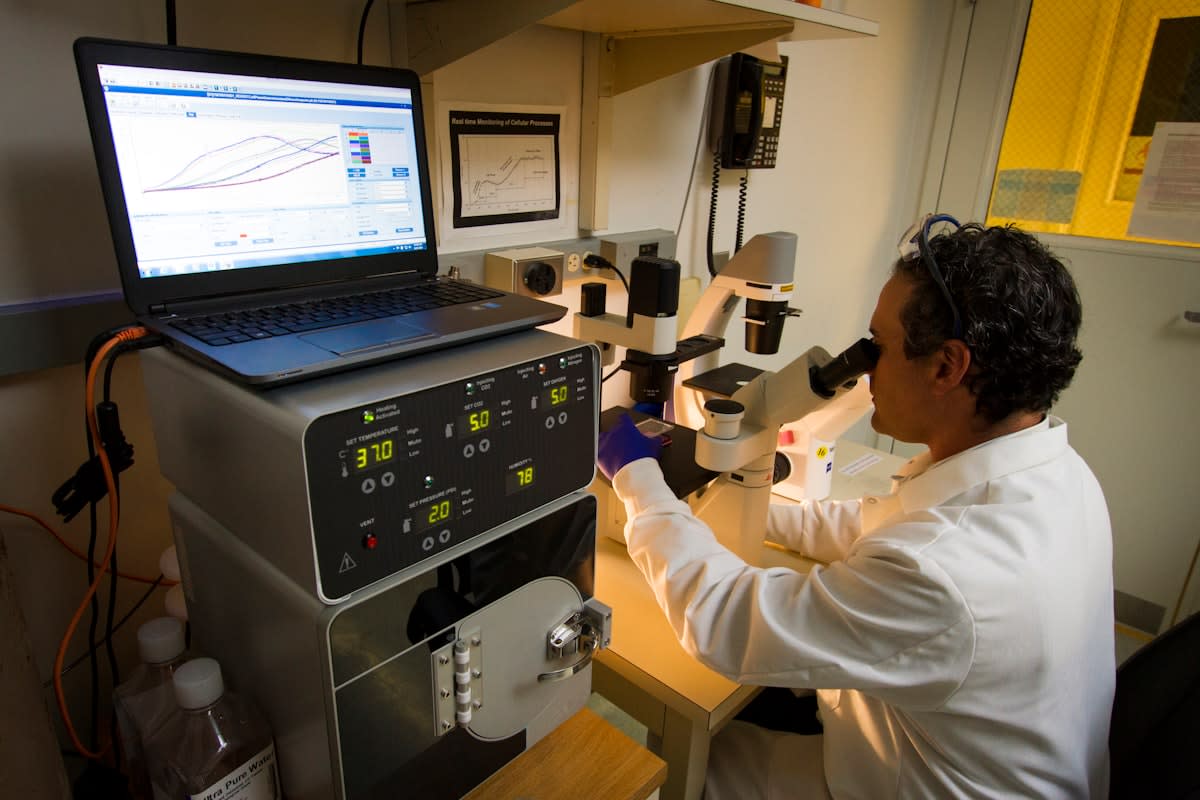
Terroir has always been a convenient narrative for price inflation. By tying a product's value to a specific piece of land, producers created a natural ceiling on supply. However, precision fermentation is dismantling this monopoly. By using microorganisms as miniature factories, companies can now synthesize complex proteins and flavors that were previously the sole domain of rare animals or plants. According to a 2023 report by the Good Food Institute, the scalability of cultivated proteins is no longer a question of biology, but of infrastructure (Source: Good Food Institute, 2023). The luxury market is the natural entry point for these technologies because it is the only sector where the price point can absorb the initial high cost of cellular agriculture.
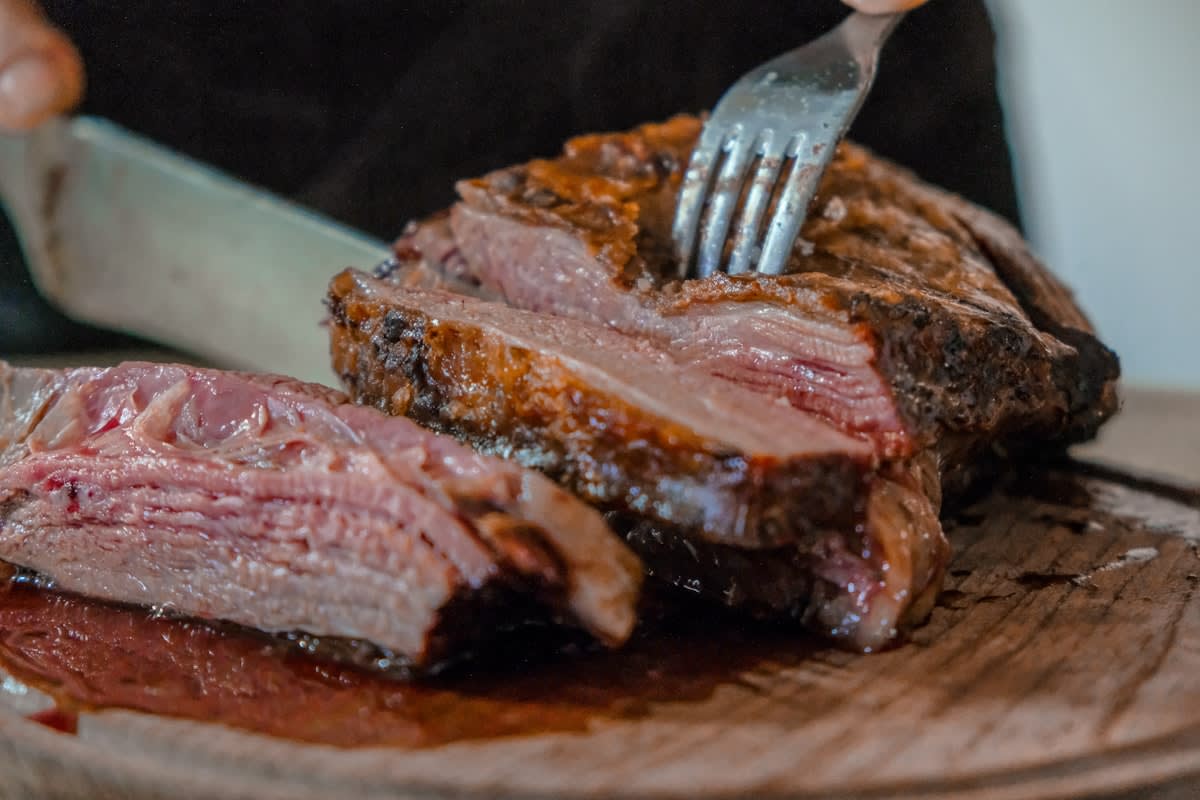
Consider the case of cultivated Wagyu. Traditional A5 Wagyu relies on decades of selective breeding and rigorous feeding regimes in Japan. A synthetic version, however, allows for the precise manipulation of intramuscular fat (marbling) at a cellular level. We can now design a steak with a fat-to-lean ratio that is mathematically optimized for flavor, bypassing the biological limitations of the cow. This isn't just a copy; it's an upgrade. When the 'perfect' steak is engineered, the 'natural' steak starts to look flawed by comparison.
"The luxury consumer is not looking for a substitute; they are looking for a superlative. The shift toward synthetic luxury is driven by the desire for a product that is cleaner, more consistent, and more ethically untainted than anything a farm can produce."— Dr. Sarah Jenkins, Lead Researcher at the Center for Cellular Gastronomy
This transition is creating a fascinatng friction within the industry. I have spent years talking to procurement chefs at three-Michelin-star restaurants in Tokyo, Paris, and New York. The internal debate is fierce. On one side, the traditionalists argue that the 'soul' of food comes from the struggle of nature—the frost, the soil, the unpredictability. On the other side, the modernists argue that true luxury is the elimination of risk. They want a product that is identical every single time, regardless of whether there was a drought in Spain or a blight in Southeast Asia. The pragmatists are winning because consistency is the bedrock of high-end culinary execution.
The Economics of Engineered Scarcity
Critics argue that synthetic foods should be cheaper because they are 'artificial.' This is a fundamental misunderstanding of the Veblen effect. In the luxury market, price is a signal of status, not a reflection of production cost. As natural luxury ingredients become more common due to desperation or climate-driven shifts in geography, the 'synthetic' label will be rebranded as 'curated' or 'designer.' The high cost will shift from the difficulty of harvest to the cost of the intellectual property. You won't be paying for the saffron; you'll be paying for the proprietary genetic sequence that produces the world's most potent safranal.
| Metric | Natural Luxury (Legacy) | Synthetic Luxury (Pivot) |
|---|---|---|
| Value Driver | Geographic Scarcity | Molecular Precision |
| Supply Chain | Climate-Dependent / Volatile | Infrastructure-Dependent / Stable |
| Quality Control | Variable (Nature-led) | Absolute (Data-led) |
| Ethical Profile | High Impact (Land/Water/Animal) | Low Impact (Circular/Lab-based) |
| Price Logic | Scarcity of Resource | Cost of IP and Engineering |
The global regulatory landscape is already tilting toward this future. Singapore was the first to approve the sale of cultivated meat, signaling a strategic move to decouple food security from land availability (Source: Singapore Food Agency, 2020). The United States followed with USDA and FDA approvals for cultivated chicken in 2023. These are not just food security measures; they are the opening salvos of a new economic era. When a government approves a lab-grown protein, they are effectively validating a new asset class of luxury goods.
What happens to the traditional farmer in this scenario? The pivot doesn't necessarily erase the farm, but it changes the farm's role. We are seeing the emergence of 'heritage luxury,' where naturally grown food is marketed as a rustic, artisanal curiosity—much like how mechanical watches survived the quartz crisis. However, for the ultra-high-net-worth consumer, the appeal of 'heritage' is often secondary to the appeal of 'perfection.' The synthetic pivot is essentially the 'quartz movement' of the food world, offering a level of accuracy that nature simply cannot match.
The final frontier of this pivot is the creation of entirely new flavors that do not exist in nature. Why limit luxury to things that already exist? With precision fermentation, we can create proteins that taste like a cross between a bluefin tuna and a white truffle, or fats that melt at a precise temperature to create a sensory experience impossible in a biological organism. This is where the 'Strategic Analyst' view becomes critical: we are moving from a world of discovery to a world of design.
Editorial Note
This analysis assumes that the cost of bioreactor infrastructure continues to decline. If energy costs spike globally, the 'synthetic pivot' may be delayed, as lab-grown luxury is significantly more energy-intensive than traditional foraging in the short term.
Fact-Check & Accuracy Note
Key claims regarding the approval of cultivated meats in Singapore and the US are sourced from the Singapore Food Agency (2020) and the USDA/FDA (2023). Market projections regarding the scalability of cultivated proteins are attributed to the Good Food Institute (2023). The debate regarding 'heritage luxury' vs 'precision luxury' is an ongoing discourse among food economists and is not yet a settled statistical fact.