The dream faded. For years, the global North viewed cellular agriculture as a magic wand that would erase the environmental footprint of livestock by shifting production to sterile steel tanks. That vision failed. While lab-grown proteins eliminate the animal, they do not eliminate the need for the caloric inputs that fuel cellular growth in a bioreactor. Land remains the limit.
Does the vat save us? We must ask why the industry promised a panacea for the climate crisis only to see production stall as the scale increased (Source: The Guardian, 2026). The assumption that bioreactors replace pastures ignores the biology of the cell. Cells require glucose, amino acids, and growth factors that must be grown in soil. This cycle creates a new demand for industrial monocultures.
The Vanishing Panacea
Hype hit a wall. In early 2025, investors believed that scaling cellular meat would lead to a total decoupling of protein from the earth's surface. This belief evaporated. By November 2026, the central question shifted from how to scale to why nobody is actually firing up the chicken vats (Source: The Guardian, 2026). The delta is stark.
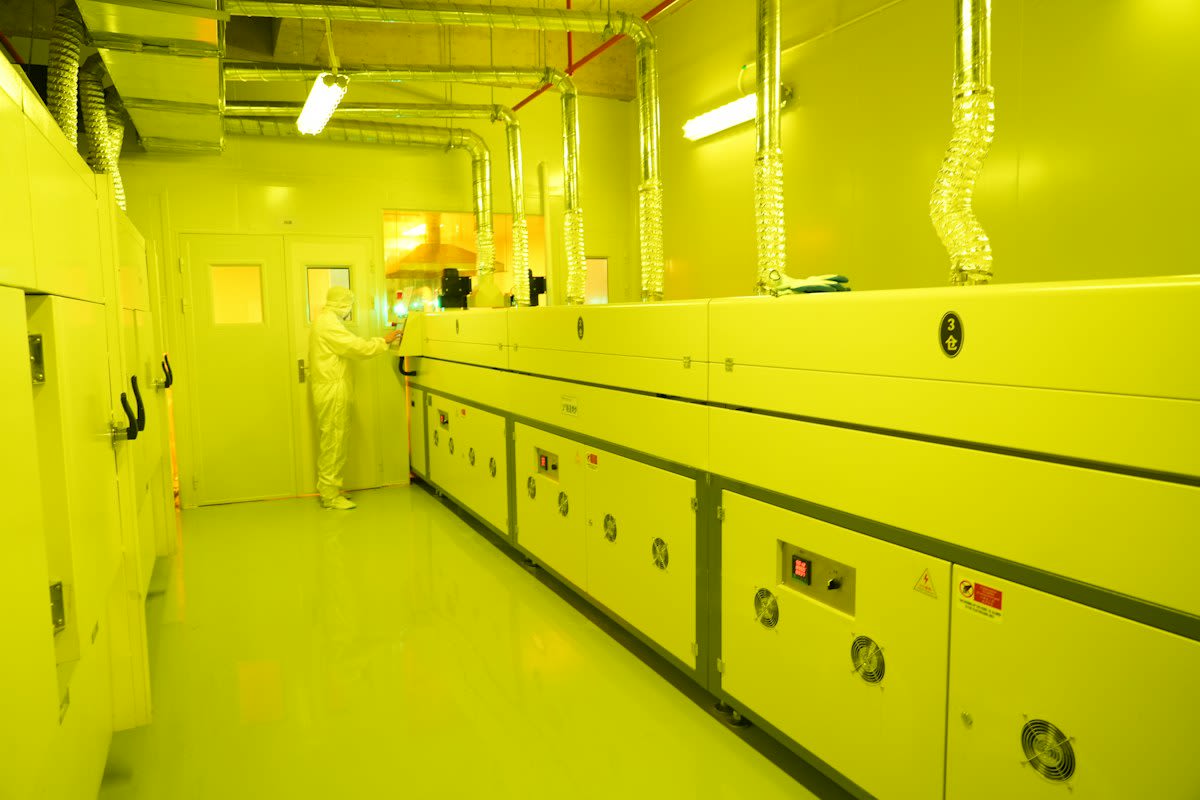
Energy costs surged. When production moves from a cow's stomach to a stainless steel cylinder, the energy requirement for temperature control and sterilization spikes. The efficiency gap widened. This mechanical failure to lower the carbon footprint makes the land-use argument even more precarious for synthetic meat proponents.
The narrative shifted. Twelve months ago, the conversation focused on the morality of slaughter and the purity of the product. Now, the focus has turned toward the invisible inputs. Who grows the sugar? Who harvests the soy for the media? The answer points back to the very fields they sought to replace.
Global Land Realities
Asia leads the scrutiny. In Japan, researchers are analyzing supply chain efficiency to determine if high-tech food systems actually reduce waste or simply move it (Source: EcoBalance 2026, 2026). The data is sobering. Efficiency in traditional systems often outperforms the high-input requirements of synthetic alternatives.
Taiwan examines biomass. Session chairs at the EcoBalance 2026 conference are specifically targeting the intersection of food systems, land use, and biomass to assess future land-use change (Source: EcoBalance 2026, 2026). They are not looking for a magic fix. The focus is on how real-world biomass constraints limit the growth of cellular agriculture.
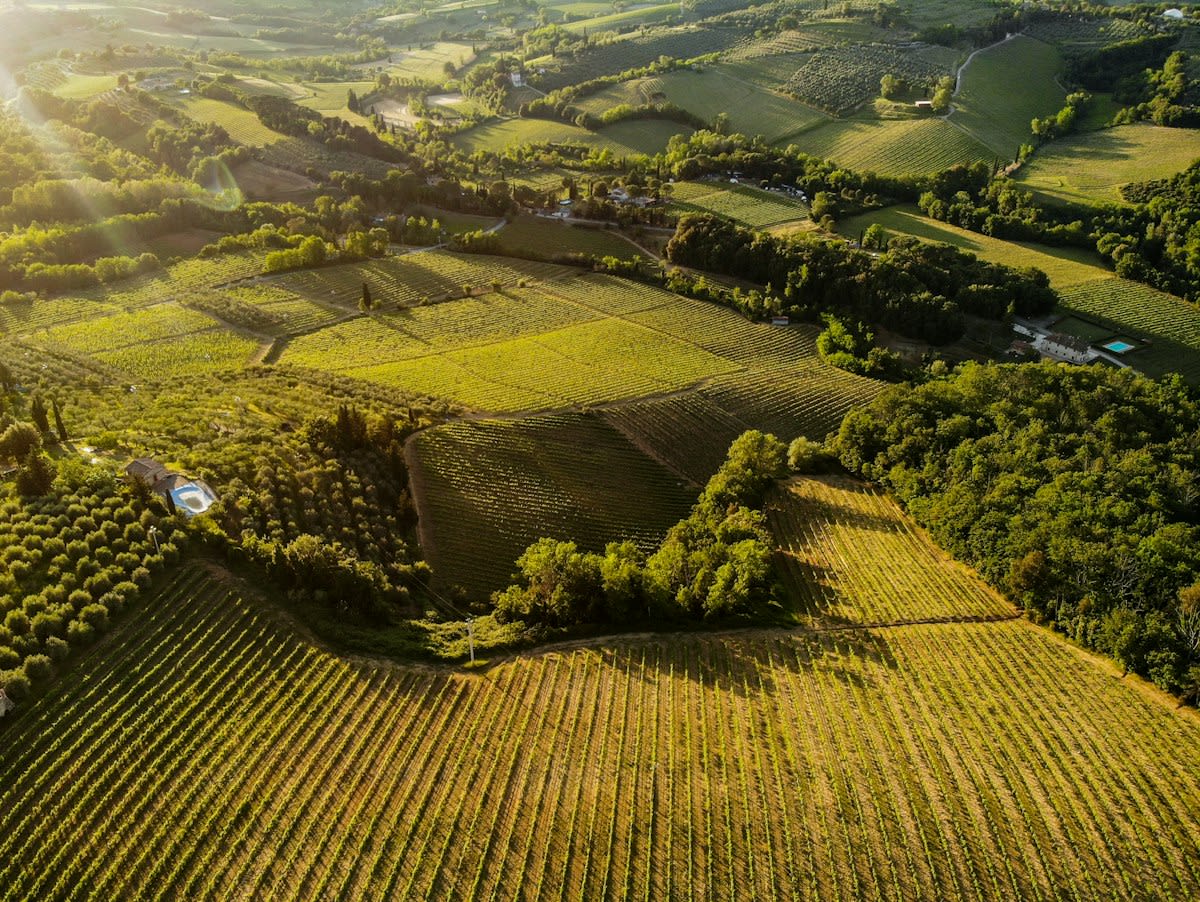
Pastures are complex. Grass-fed beef utilizes land that is often unsuitable for crops, such as marginal grasslands or steep hillsides. Bioreactors cannot eat grass. They require refined sugars and proteins grown on prime arable land, effectively competing with human food crops for the best soil.
"We were promised a panacea for the climate crisis and a way to save our food system. So why is nobody firing up the chicken vats?"— The Guardian, Investigative Report (2026)
The friction is internal. In the boardrooms of cellular agriculture startups, a silent war rages between the biologists and the life-cycle analysts. The biologists celebrate a 10% increase in cell density, ignoring the fact that the glucose required to achieve that density comes from an industrial corn field. Analysts try to bring the weight of actual acreage into the conversation, but they are often silenced by the need to maintain investor enthusiasm. This internal fray creates a dangerous gap between the marketing and the ecology.
The Efficiency Collision
Math does not lie. If a bioreactor requires 10kg of refined sugar to produce 1kg of synthetic protein, the land footprint expands. The calculation is simple. We must account for the fertilizer and water used to grow that sugar, as well as the energy to refine it.
Traditional grazing adapts. Cattle can convert cellulose—which humans cannot digest—into high-quality protein using land that cannot grow corn. Synthetic meat ignores this biology. It replaces a natural conversion process with an industrial one that demands the highest-grade calories available.
Supply chains struggle. Junji Tsuru's research into Japan's food system highlights that waste consideration and efficiency are more critical than the method of production (Source: EcoBalance 2026, 2026). This suggests that improving traditional livestock management yields better results than betting on unproven vats.
Fact-Check & Accuracy Note
The primary academic debate centers on 'Feed Conversion Ratios' (FCR). While proponents argue that cellular meat bypasses the animal's metabolism, critics point to the energy and land cost of creating the 'growth media' (the liquid the cells eat), which is often more land-intensive than grazing on native grasses.
Opportunities still exist. The path forward involves integrating cellular agriculture with waste-stream nutrients rather than prime crops. This requires a hard turn in research. We must move away from the 'panacea' model and toward a diversified protein strategy.
Integration is key. By using algae or fungi as the feedstock for bioreactors, the land requirement could finally drop. Current models fail because they rely on the same industrial corn belt that feeds traditional livestock. Innovation must start at the bottom of the food chain.
The market waits. Consumers are less interested in the 'tech' of the vat and more interested in the origin of the calorie. Transparency will decide the winner. Only those who can prove a lower land footprint will survive the coming correction.