The Sterile Default
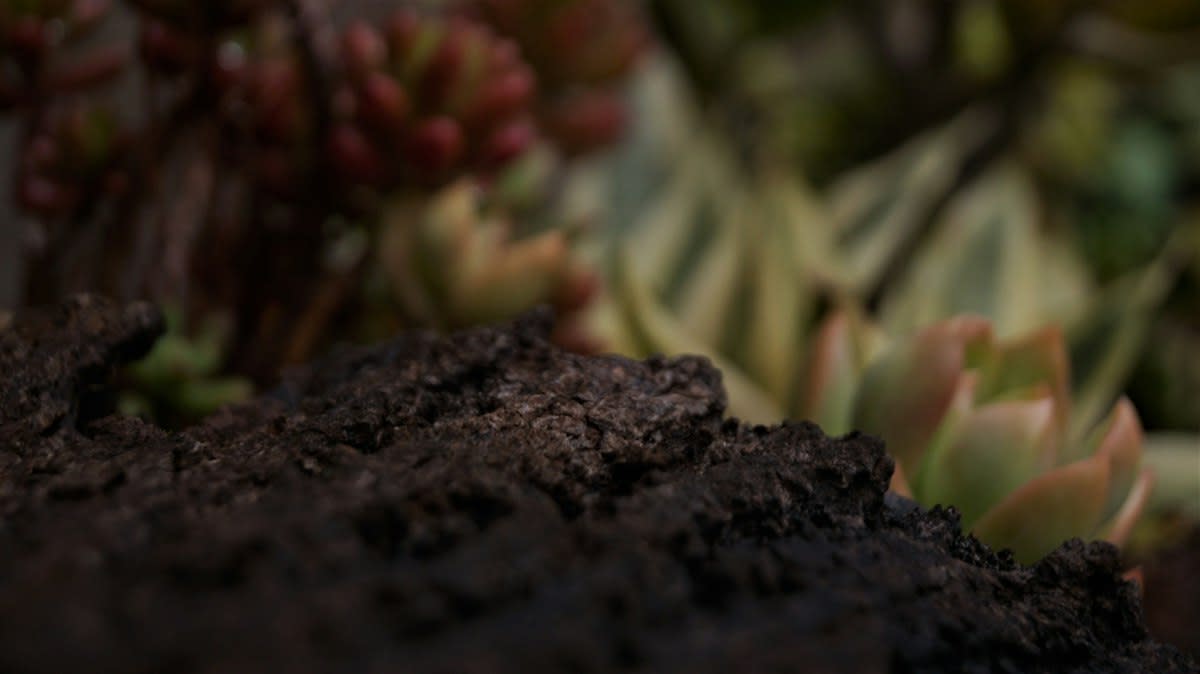
Dirt is a lie. Most tropical soils function as nutrient-stripped deserts where rain leaches every usable mineral into the deep subterranean web. We call this sterility (Source: Nature, 2011). This failure defines the tropics. Ancient Amazonian peoples rejected this default by engineering Terra Preta, or Amazonian Dark Earths, which maintain high fertility for millennia without external inputs. They built a living machine. These soils contain organic carbon levels often exceeding 2% (Source: Science, 2005). This is not natural.
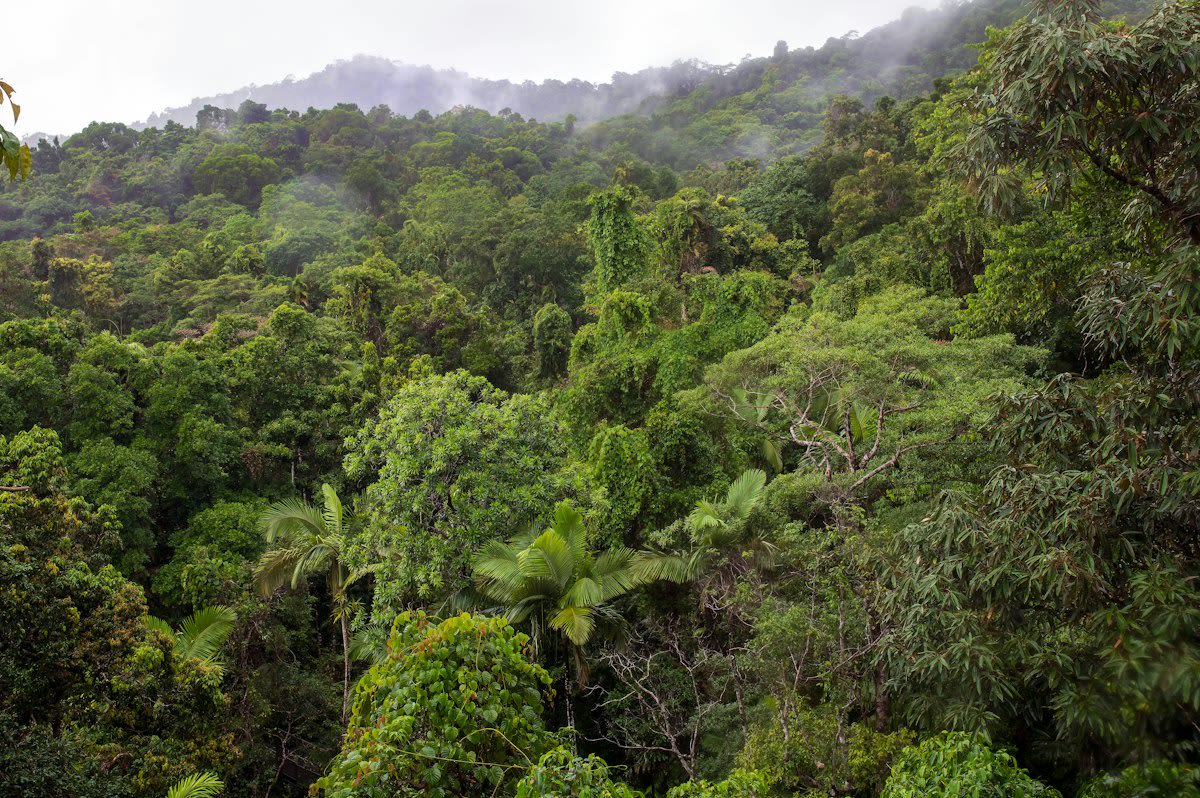
Nature burns fast. In the rainforest, microbes consume organic matter so quickly that the soil cannot hold a nutritional charge for more than a few weeks. This creates a hungry terrain. Practitioners must shift from adding nutrients to building a storage vessel (Source: FAO, 2013). Biochar provides this vessel. It acts as a permanent skeletal structure for the soil. This structure prevents leaching.
Prerequisites for Replication
Preparation is everything. You cannot simply throw charcoal into a hole and expect a harvest. This is a common failure. You need specific materials to ensure the biochar does not rob the soil of its remaining life. The process requires patience. Gather these components before you begin.
- Dry biomass (hardwoods, coconut shells, or corn stover)
- Pyrolysis kiln (top-lit updraft or Kon-Tiki style)
- Nitrogen-rich charging agent (compost tea, liquid manure, or fish emulsion)
- Microbial inoculant (forest humus or high-quality vermicompost)
- Soil pH tester and C:N ratio calculator
The Engineering Process
- Pyrolyze your biomass at temperatures between 400C and 600C to maximize surface area and pore volume.
- Quench the hot char immediately with water to stop the combustion process and prevent the material from turning into ash.
- Charge the biochar by soaking it in a nitrogen-rich solution for 2 to 4 weeks to saturate the internal pores.
- Inoculate the saturated char with forest humus to introduce the fungal and bacterial web necessary for nutrient cycling.
- Integrate the charged biochar into the top 20cm of the soil at a rate of 5-10 tons per hectare (Source: FAO, 2013).
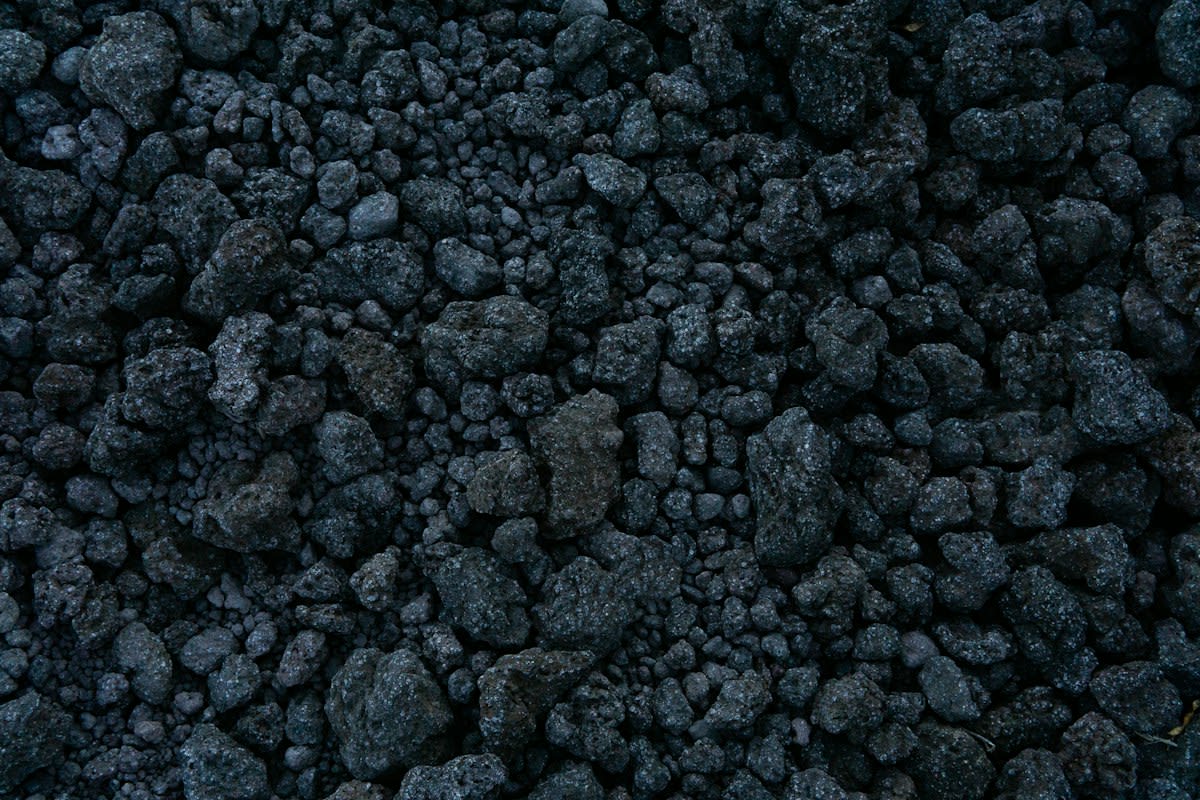
Heat is the key. Pyrolysis requires an oxygen-starved environment where organic matter breaks down into a stable carbon skeleton without burning into ash. This process creates the void. (Source: Science, 2005). This void holds the water. If you allow oxygen into the kiln, you create ash, not char. Ash provides a temporary spike in pH but offers zero long-term storage. Avoid the flame.
Charging defines success. Raw biochar is a hungry sponge that will pull nitrogen out of your crops to fill its own empty pores. This causes immediate nutrient robbery. You must feed the char before you feed the plant. This step ensures the Cation Exchange Capacity (CEC) works for the farmer rather than against them (Source: Nature, 2011). The char becomes a battery. It stores ions for later use.
The industry splits on charging methods. Some purists demand a six-month soak in fermented fish emulsion to saturate the pores, while the pragmatists argue for simple co-composting. I watched a project in Sub-Saharan Africa collapse because the team applied raw biochar to depleted soils. The charcoal robbed the remaining nitrogen, starving the maize in a matter of weeks. It was a textbook mechanical failure. This dispute proves that context dictates the method.
"Biochar is not a fertilizer; it is a soil conditioner that creates a permanent habitat for the microbial community, effectively turning the soil into a long-term carbon storage system."— Johannes Lehmann, Professor of Soil Science at University of Hohenheim
Global Terrain and Performance
Geography changes the weight. In the Amazon Basin, Terra Preta allows for continuous cropping without the need for fallow periods. This contradicts the slash-and-burn default. Other regions now mimic this. In India, farmers use biochar to reduce urea dependency in sandy soils. This reduces chemical runoff. In the Sahel, char-integrated soils hold water during extreme droughts (Source: FAO, 2013). The results are universal.
| Metric | Standard Oxisol | Terra Preta (ADE) |
|---|---|---|
| Organic Carbon | < 1% | > 2% (Source: Science, 2005) |
| Phosphorus Level | Low/Leached | Up to 100x higher (Source: Nature, 2011) |
| Cation Exchange | Poor | High/Stable |
| Nutrient Retention | Short-term | Millennial-scale |
Water is the carrier. Biochar increases the water-holding capacity of the soil by creating millions of microscopic capillaries. These capillaries hold moisture during the dry season. This prevents plant wilting. The soil no longer behaves like a sieve. It behaves like a reservoir. This shift changes the crop cycle.
Fact-Check & Accuracy Note
Academic debate persists regarding the origin of Terra Preta. Some researchers argue these soils were the result of accidental waste heaps from ancient settlements, while others maintain they were the product of intentional, sophisticated soil engineering. Current data on phosphorus concentrations suggests a deliberate effort to manage soil chemistry over centuries (Source: Nature, 2011).
Common Pitfalls
Ignorance kills yields. The most frequent error is the application of raw, uncharged biochar to nitrogen-poor soils. This triggers a nutrient crash. The plants turn yellow as the carbon skeleton seizes all available nitrogen. This is a preventable disaster. Always charge your char. Never skip the soak.
Temperature ruins the structure. Pyrolyzing biomass above 700C closes the pores and reduces the surface area of the charcoal. This destroys the habitat for microbes. You end up with a sterile rock. Keep the kiln between 400C and 600C. This range optimizes the balance between carbon stability and porosity. Precision beats volume.
Over-application is a risk. Adding too much biochar can raise the soil pH to levels that lock out micronutrients like iron and manganese. This causes chlorosis. Monitor your pH levels weekly during the first season. Aim for a slight increase, not a chemical spike. Balance the weight of the carbon.