World Chess Championship: The importance of knowing the rival
Source Entity
Latest News: Todays Latest News Headlines from India & World | Hindustan Times
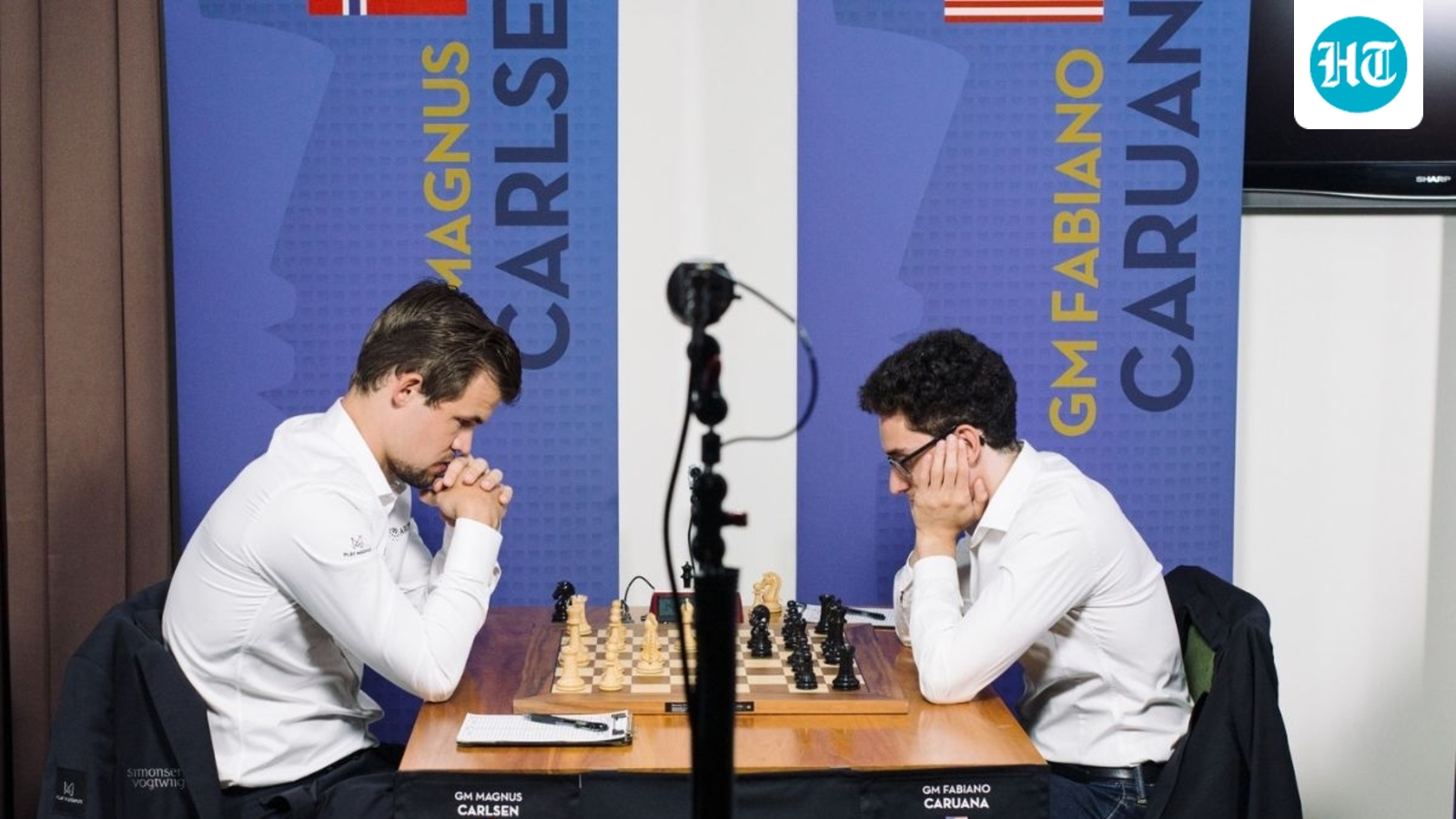
Defending world champion D. Gukesh faces challenger Javokhir Sindarov in the historic 2026 World Chess Championship. Both players are 20, marking the youngest title match ever, with experts debating the psychological pressure of the 14-game format.
The Youngest Clash in Chess History
The 2026 World Chess Championship, scheduled to commence on November 24 in Geneva, marks a watershed moment in the history of the game. Featuring reigning champion D. Gukesh and challenger Javokhir Sindarov, this encounter represents the youngest World Championship contest ever held, with both participants turning 20 years old at the start of the match. The choice of Cologny as a backdrop invites historical resonance; as the place where literary masterpieces like Frankenstein were birthed, the venue provides a fittingly dramatic atmosphere for a high-stakes intellectual battle between two of the world's brightest young minds.
The Shift in Psychological Burden
While Gukesh enters as the defending champion, the narrative surrounding the match has been significantly influenced by the form book. Former world championship challenger Peter Leko has publicly advised Gukesh to distance himself from external expectations, noting that the psychological burden has shifted toward Sindarov. Despite Gukesh's status as the titleholder, Sindarov arrives with a 2-0 classical head-to-head advantage and the backing of five-time champion Magnus Carlsen, who has identified the Uzbek challenger as the clear favorite. This reversal of roles—where the champion must find a way to shed pressure while the challenger carries the weight of expectation—adds a unique layer of intrigue to the upcoming games.
Endurance and the 14-Game Format
The return to a 14-game format is viewed by many, including Leko, as a welcome development for the sport. This structure echoes the grueling, multi-match rivalries of the past, such as the legendary Kasparov-Karpov duels of the 1980s. Those historic confrontations, which spanned 144 games over several years, highlight the mental and physical toll of long-form championship matches. By opting for a 14-game series, the 2026 championship ensures that the contest remains a test of endurance and sustained strategic planning rather than a short-form sprint, forcing the players to probe for weaknesses over a prolonged period of time.
The Historical Weight of Rivalry
Chess history is defined by its great rivalries, where players eventually begin to mirror the intensity of a long-term relationship. The psychological toll of staring at the same opponent for weeks on end is a well-documented phenomenon. Just as Kasparov and Karpov spent years deconstructing each other's styles, Gukesh and Sindarov are now entering a phase of intense, singular focus. The match will not only be a battle of tactical prowess but a test of who can better navigate the mental exhaustion that inevitably accompanies such high-stakes, prolonged exposure to a single rival.
Looking Ahead: The Future of the Championship
As the world anticipates the opening move in Geneva, the focus remains on how these two young titans will adapt to the pressure. Gukesh’s deliberate efforts to ease his own mental load suggest a maturity beyond his years, acknowledging that the 'Year Without a Summer'—a metaphor for the unpredictability of global events—is as relevant in the board room as it is in history. Whether Sindarov can maintain his momentum or Gukesh can leverage his championship experience to overcome the odds remains the central question of this historic 2026 encounter.
Verification Required?