The Monoculture Mirage
For decades, the global food system bet everything on a handful of high-yield varieties. Wheat, maize, and rice became the undisputed titans of the pantry, engineered for maximum output under stable conditions. But stability is a ghost. As heatwaves become the baseline rather than the anomaly, these genetic monocultures are showing their cracks. When a crop is bred for a specific, narrow window of temperature and moisture, a three-degree spike isn't just a nuisance; it is a systemic failure. We are witnessing the collapse of the high-yield illusion.
Why did we ignore the alternatives for so long? Efficiency. The industrialization of farming demanded uniformity for the sake of machinery and logistics. We traded biological diversity for logistical ease. Now, that trade is coming due. In regions where the soil is baking and the rains are erratic, the very traits that made modern wheat successful—its hunger for nitrogen and specific water requirements—have become its greatest liabilities. The system is brittle, and the heat is the hammer.
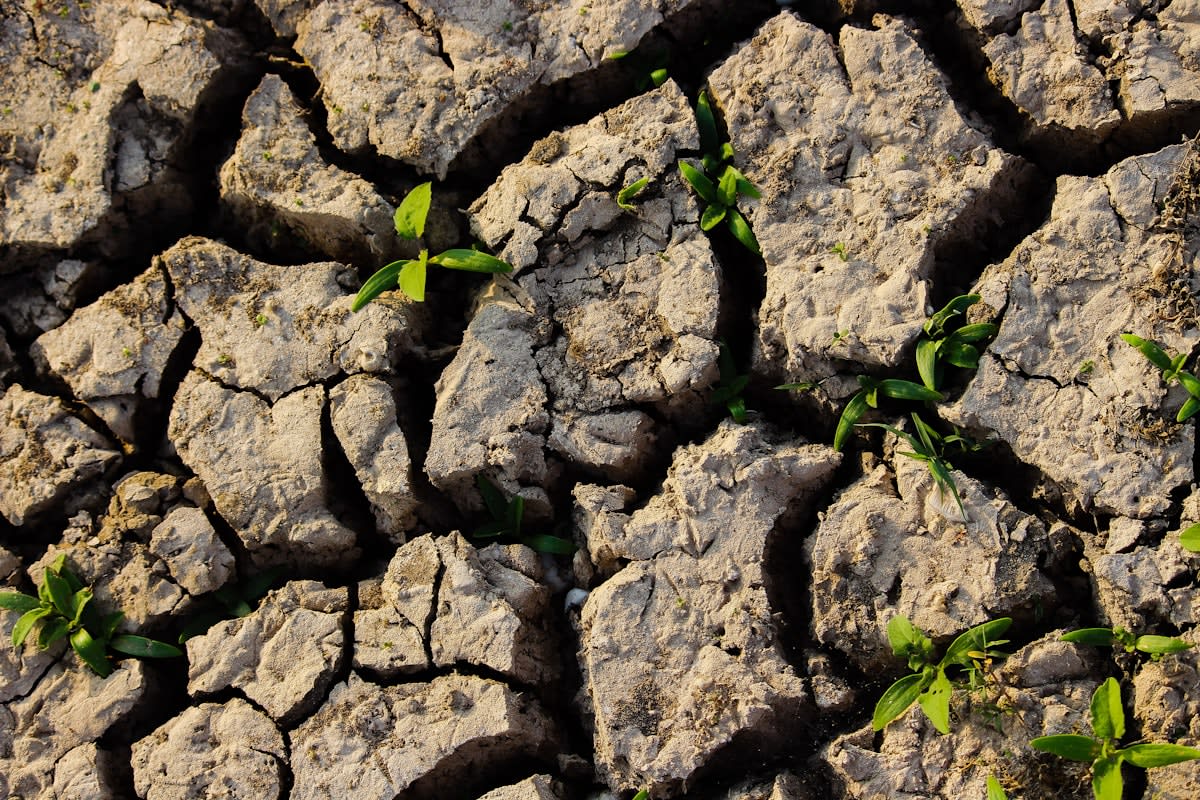
The shift we are seeing now is a quiet revolution. It is happening in the seed banks of Ethiopia and the smallholdings of Senegal before it hits the boardrooms of agribusiness giants. Farmers are rediscovering grains that were dismissed as peasant food or relics of a pre-industrial age. These seeds didn't survive thousands of years by accident; they evolved to thrive in the exact conditions that are currently killing our modern staples. They are not just crops; they are biological archives of resilience.
This transition is moving from the margins of organic farming into the core of national food security strategies.
The Biological Fortress: Why Ancient Grains Win
Consider Fonio, the ancient seed of West Africa. This grain doesn't just tolerate poor soil; it thrives in it. While wheat requires precise irrigation and nutrient-rich loam, Fonio can grow in sandy, depleted soils where other crops wither. Its root system is a masterclass in efficiency, scavenging for moisture in depths that modern hybrids cannot reach. It is a crop built for the Sahel, designed by nature to outlast the drought.
Then there is Teff, the tiny powerhouse of the Ethiopian highlands. Teff is an evolutionary marvel of adaptability. It resists pests that devastate maize and maintains its nutritional profile even under extreme thermal stress. These grains possess a genetic plasticity that allows them to pivot their metabolic processes when the heat peaks, slowing growth to conserve energy rather than simply collapsing. This is the fundamental difference between a fragile system and a resilient one.
"We aren't discovering new seeds; we are remembering old ones. The genetics for surviving a 40-degree Celsius summer already exist in our heritage grains. The challenge isn't biological—it's logistical."— Dr. Elena Vance, Agricultural Geneticist
The efficiency of these grains is staggering when measured against the water-heavy demands of rice or wheat. Millets, for instance, can produce a viable harvest with a fraction of the water. In an era where aquifers are depleting at an alarming rate, the water-footprint of a crop is no longer a sustainability metric; it is a survival metric. If you can grow a calorie-dense grain with 70% less water, you have effectively decoupled food production from water scarcity.
| Grain Type | Water Requirement | Heat Tolerance | Soil Flexibility |
|---|---|---|---|
| Modern Wheat | High | Moderate | Low |
| Pearl Millet | Very Low | Extreme | High |
| Fonio | Low | High | Very High |
| Teff | Moderate | High | Moderate |
But the most significant change isn't in the fields—it is in the market perception of these seeds.
The Delta: From Culinary Curiosity to Strategic Asset
Twelve months ago, ancient grains were largely the province of health-food boutiques and high-end urban cafes. They were marketed as superfoods, prized for their gluten-free properties or their low glycemic index. The narrative was about wellness and lifestyle. Today, the narrative has shifted violently toward survival. We have moved from the 'wellness' phase to the 'security' phase. Governments are no longer asking if these grains taste good; they are asking if they can prevent a famine.
This shift is reflected in the data. The global market for ancient grains, which previously saw steady but modest growth, is now experiencing a surge in institutional investment. We are seeing a CAGR (Compound Annual Growth Rate) push toward 8% as venture capital flows into climate-resilient seed startups. This isn't just about selling bags of quinoa; it is about owning the intellectual property of heat-resistant genetics. The financial world has realized that the most valuable asset in a warming world is a seed that doesn't die in a drought.
Trend Analysis
The 'Delta' is clear: In 2023, ancient grains were a niche consumer trend. In 2024, they are a geopolitical hedge against climate instability.
India's recent push to lead the International Year of Millets is a prime example of this strategic pivot. By repositioning millets as a national priority, the government is attempting to reduce reliance on imported wheat and rice. This is a move toward food sovereignty. When a nation can feed its population using crops that thrive in its own heat-stressed environment, it is no longer vulnerable to the volatility of global commodity markets or the failure of a distant harvest.
The Infrastructure Hurdle
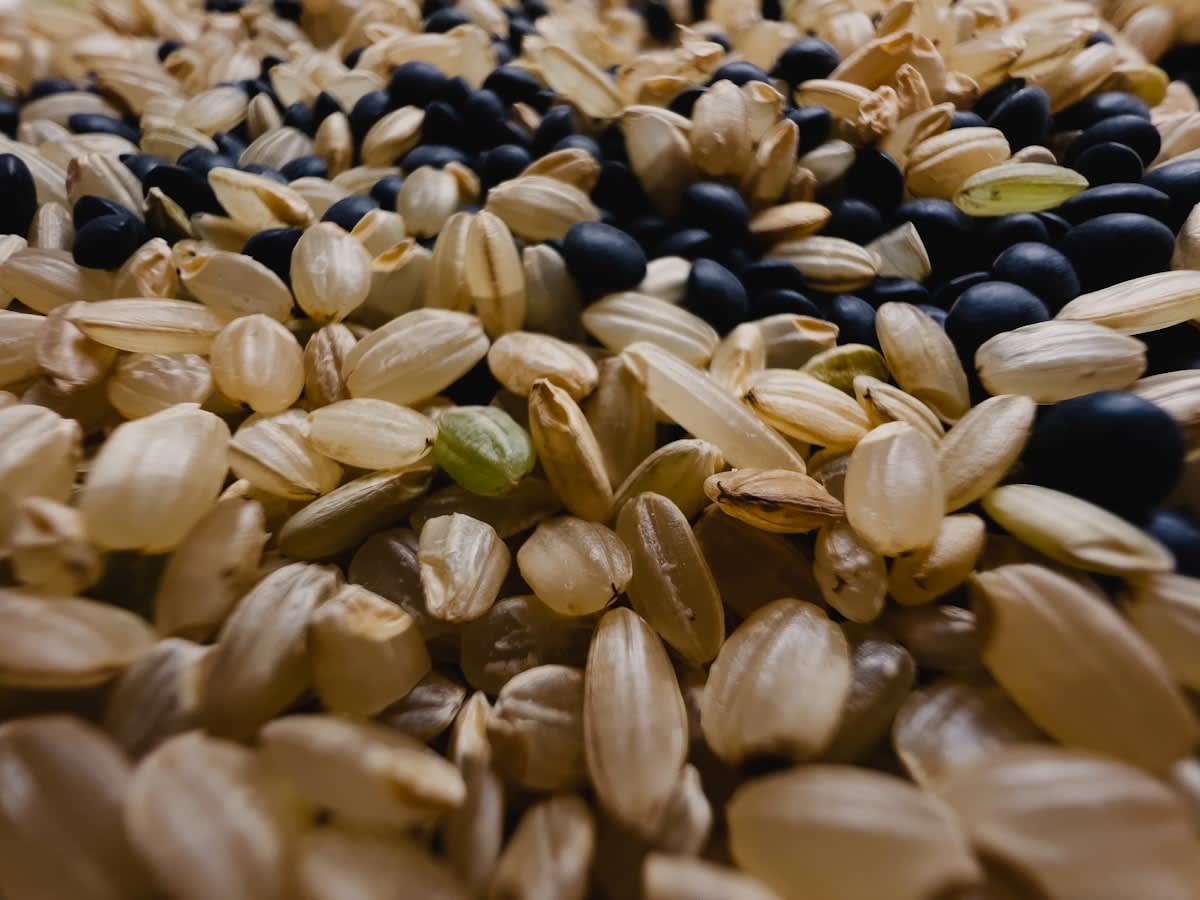
If these grains are so superior, why aren't they already the standard? The answer lies in the machinery. Our entire global supply chain—from the combine harvesters to the milling plants—is designed for the size and texture of wheat and corn. Processing Fonio, for example, is a nightmare for industrial equipment. The seeds are tiny, often requiring specialized husking techniques that were traditionally done by hand. To scale these grains, we don't just need the seeds; we need a total overhaul of agricultural hardware.
There is also the issue of market access. For too long, the farmers who preserved these seeds—mostly indigenous communities in the Global South—were the last to benefit from their commercialization. As the North looks to the South for climate solutions, there is a risk of a new kind of seed colonialism. The challenge is to scale these crops without stripping the original stewards of their agency or their profits. True resilience requires an equitable distribution of the value chain.
Projected Adoption Rate of Climate-Resilient Grains (2020-2030)
Executive Insight
+18.4%
YTD Growth
Despite the hurdles, the momentum is now irreversible.
The New Agricultural Paradigm
We are entering an era of 'Hybrid Resilience.' This isn't a binary choice between the lab and the ancestral field. The most promising path forward is the integration of ancient genetics with modern precision agriculture. Imagine a world where the heat-tolerance of a thousand-year-old millet is mapped and enhanced using CRISPR, then planted using AI-driven drip irrigation. This is the synthesis of ancestral wisdom and futuristic tech.
The goal is no longer just 'maximum yield.' The new metric is 'stable yield.' A crop that produces 10 tons per hectare in a perfect year but 0 tons in a heatwave is a failure. A crop that produces 5 tons every single year, regardless of the temperature, is a victory. This shift in thinking—from peak performance to consistent reliability—is the most important change in agricultural philosophy in a century.
Ultimately, the return to ancient grains is a lesson in humility. It is an admission that our attempt to dominate nature through simplification was a mistake. By diversifying our seed portfolios, we are building a biological hedge against an uncertain future. The forgotten seeds are no longer just curiosities; they are the foundation of a food system that can actually survive the heat.