"Will Ensure Justice": Rahul Gandhi's Post On Tata Boardroom Battle
Source Entity
NDTV News Search Records Found 1000
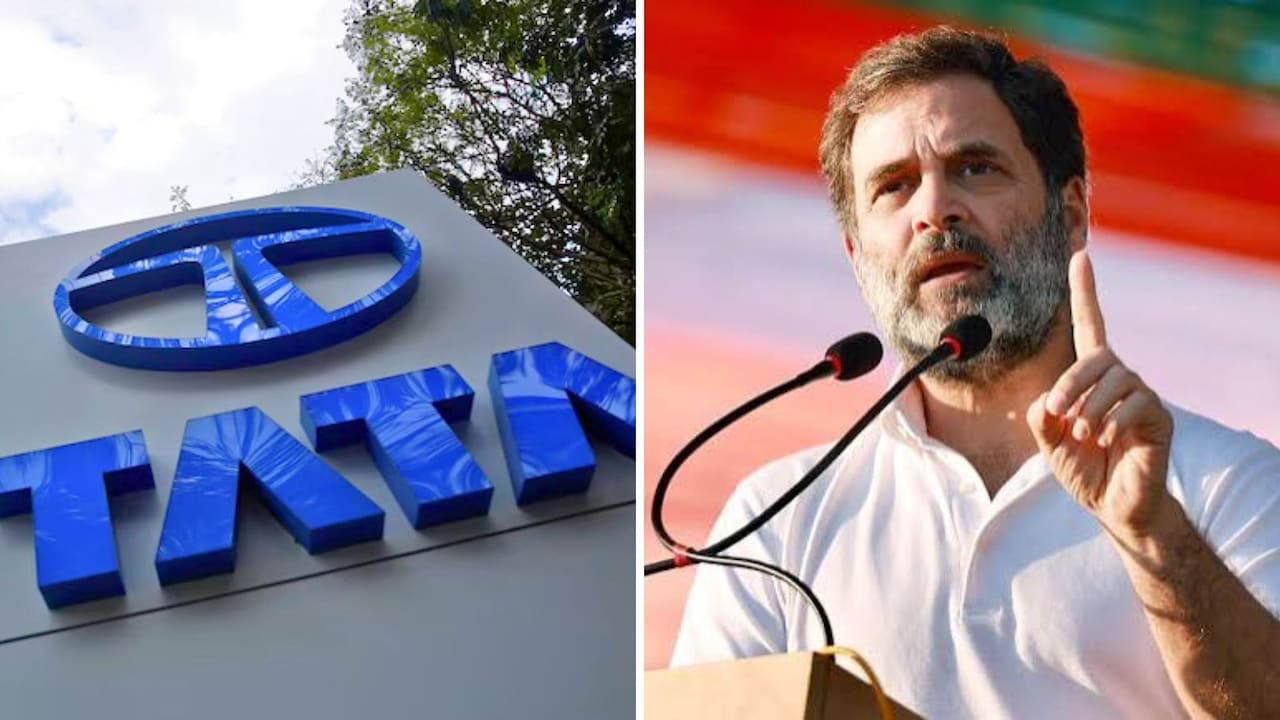
Rahul Gandhi has publicly accused the government of allowing the destruction of the Tata Group, challenging Indian business leaders to break their silence. The controversy stems from an ongoing internal boardroom battle within Tata Sons, marking a rare political intervention in corporate affairs.
The Political Implications of the Tata Boardroom Conflict
Congress leader and Leader of the Opposition in the Lok Sabha, Rahul Gandhi, has issued a sharp critique regarding the current state of the Tata Group, alleging that the conglomerate is being "criminally destroyed." By framing this internal corporate struggle as a national issue, Gandhi has effectively signaled a shift in how the political opposition intends to engage with India’s corporate sector. His rhetoric suggests that the stability of major institutions like the Tata Group is no longer just a matter of private governance, but a barometer for the health of the broader Indian economy under the current administration.
Challenging the Silence of India Inc.
Central to Gandhi’s statement is a direct challenge to the silence of India’s business elite. By asking how long these leaders will remain quiet before they are "owned" by political interests, Gandhi is attempting to draw a line between institutional autonomy and political subservience. This commentary serves as both an accusation against the current government—specifically naming Prime Minister Modi and Home Minister Shah—and a call to action for corporate leaders who have historically preferred to maintain a neutral stance regarding political interference in boardroom matters.
Understanding the Tata Governance Structure
To grasp the gravity of Gandhi's intervention, one must understand the unique architecture of the Tata Group. Unlike most conglomerates, Tata Sons is majority-owned (approximately 66%) by Tata Trusts, which are philanthropic entities. This structure creates a complex intersection of charitable mission and commercial operations. When a power struggle erupts within the Tata Sons boardroom, it threatens not only the operational efficiency of subsidiaries like TCS, Tata Motors, and Tata Power but also the stability of the philanthropic pillars that rely on dividends from these companies.
Political Intervention in Corporate Disputes
Gandhi’s decision to weigh in on this dispute makes him the first high-profile politician to publicly address the internal friction within Tata Sons. Historically, Indian political parties have avoided direct involvement in corporate boardroom battles to prevent accusations of cronyism or market manipulation. By breaking this precedent, the Congress party is signaling that it views the alleged instability within the Tata Group as a consequence of political pressure, thereby positioning the opposition as a defender of institutional integrity against perceived executive overreach.
Broader Economic and Future Outlook
The long-term implications of this rhetoric are significant. If the opposition continues to frame corporate governance issues through a political lens, we may see a shift in how investors and business leaders perceive political risk in India. The current silence from the Bharatiya Janata Party (BJP) and the Tata Group indicates a desire to keep the matter contained within private legal and corporate channels. However, as the dispute continues to spill into the public sphere, the pressure on all stakeholders to provide transparency will only increase, potentially leading to a more polarized environment for Indian business.
Conclusion
Rahul Gandhi’s comments represent a volatile intersection of corporate governance and national politics. Whether this intervention serves to protect the legacy of the Tata Group or complicates its internal resolution remains to be seen. As the boardroom battle continues, the focus will likely remain on whether India's corporate class chooses to maintain its silence or respond to the opposition's call for accountability in the face of what is being characterized as an existential threat to one of India's most storied institutions.
Multiple Citing Sources
Verification Required?