Tamil Nadu Revises Auto Fares After 13 Years, Minimum Fare Doubled To Rs 50
Source Entity
NDTV News Search Records Found 1000
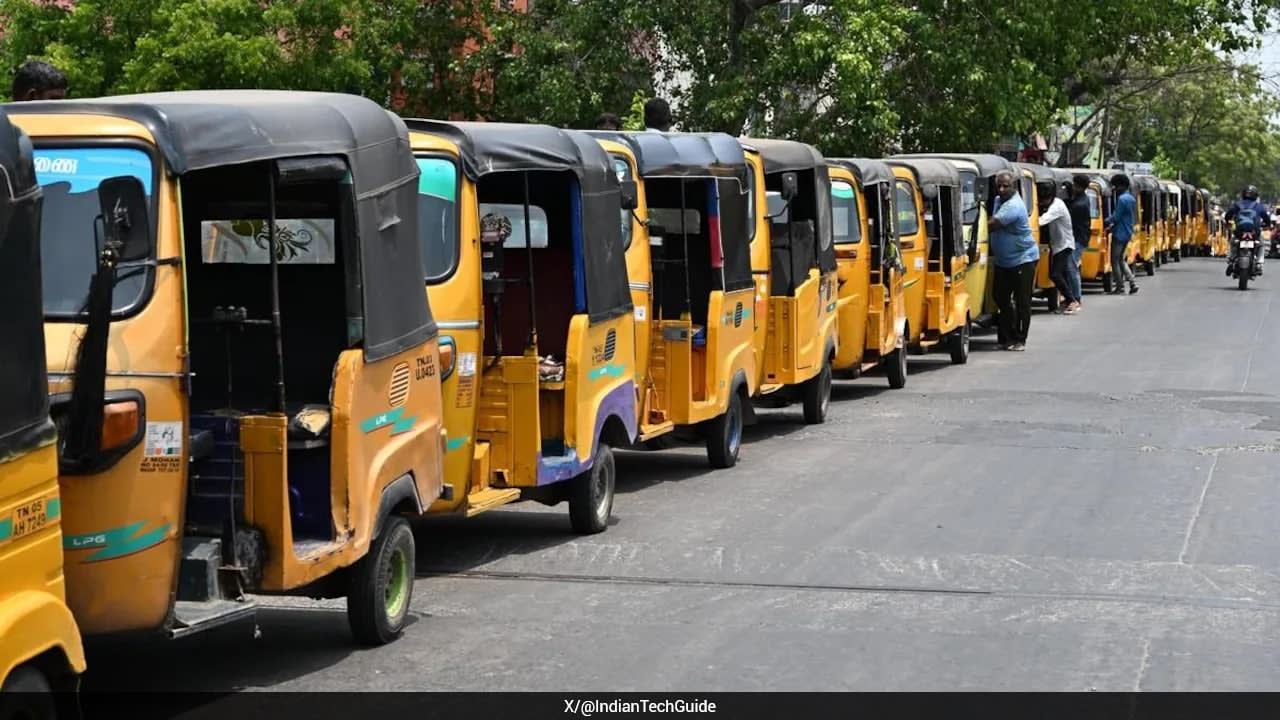
The Tamil Nadu government has officially revised auto-rickshaw fares for the first time in 13 years, setting a new minimum fare of ₹50. The update introduces structured pricing for night travel, ghat roads, and waiting times under the Motor Vehicles Act.
Tamil Nadu Overhauls Auto-Rickshaw Fare Structure
After a stagnant period of 13 years, the Tamil Nadu government has finally issued a notification to revise the fare structure for auto-rickshaws across the Chennai Metropolitan Area and other regions. This long-awaited adjustment, authorized under Section 67 of the Motor Vehicles Act, 1988, marks a significant shift in the state's transport policy, aiming to balance the economic realities faced by drivers with the needs of daily commuters.
New Fare Breakdown and Pricing Mechanics
The newly gazetted regulations establish a minimum fare of ₹50 for the first 1.8 kilometers of travel. Beyond this initial distance, passengers will be charged ₹25 for every subsequent kilometer. Furthermore, the government has formalized a waiting charge of ₹1 per minute, providing a clearer framework for billing during traffic congestion or stop-and-go travel, which has historically been a point of contention between drivers and passengers.
Specialized Fare Categories: Night and Ghat Roads
Recognizing the unique operational costs associated with different travel conditions, the notification introduces specific multipliers. For late-night travel occurring between 10 p.m. and 5 a.m., fares are set at 1.5 times the regular rate to compensate for the reduced availability of public transport and the increased risks associated with nocturnal operation. Additionally, travel on designated ghat roads will now command a base fare of ₹60, with a surcharge of ₹30 for every kilometer, acknowledging the increased fuel consumption and mechanical strain involved in navigating hilly terrain.
Regulatory Significance and Legislative Context
The reliance on Section 67 of the Motor Vehicles Act, 1988, underscores the legal authority of the State Transport Authority in regulating public service vehicles. By standardizing these rates, the government aims to curb arbitrary fare hikes and disputes that have plagued the industry for over a decade. This move aligns with broader national efforts to modernize urban mobility and provide a transparent, regulated environment for both service providers and users.
Economic Implications and Future Outlook
For the auto-rickshaw sector, this revision is a critical intervention necessitated by years of inflation, rising fuel costs, and maintenance expenses that remained unaddressed since 2011. While the immediate impact will be an increase in the cost of short-distance travel for citizens, it is expected to stabilize the income of thousands of drivers. Moving forward, the government will likely need to ensure strict compliance through digital meter implementation and enforcement to ensure that these revised rates are consistently applied and that the public is protected from overcharging.
Multiple Citing Sources
Verification Required?