For nearly a century, the global agricultural playbook was simple: maximize calories. The Green Revolution succeeded in flooding the world with grains and tubers, effectively silencing the roar of famine but ignoring the whisper of malnutrition. We solved the problem of the empty stomach, yet we created a new, more insidious crisis known as hidden hunger. This is the state where an individual consumes enough calories to survive but lacks the essential vitamins and minerals—zinc, iron, iodine, and vitamin A—required to thrive. Today, the industry is hitting a breaking point. The focus is shifting from the quantity of the harvest to the biological quality of the crop.
This is not a gradual evolution; it is a hard pivot. If you look at the investment patterns from twelve months ago, the narrative was dominated by 'yield optimization' and 'scale.' The goal was more tons per hectare. Fast forward to today, and the conversation has migrated toward 'nutrient density.' We are seeing a surge in farms that treat plants not as caloric delivery systems, but as biological factories for micronutrients. This shift is driven by a realization that caloric sufficiency is a baseline, not a destination. The new map of food security is being drawn with a focus on the cellular level.
The Delta: From Bulk to Bio-Availability
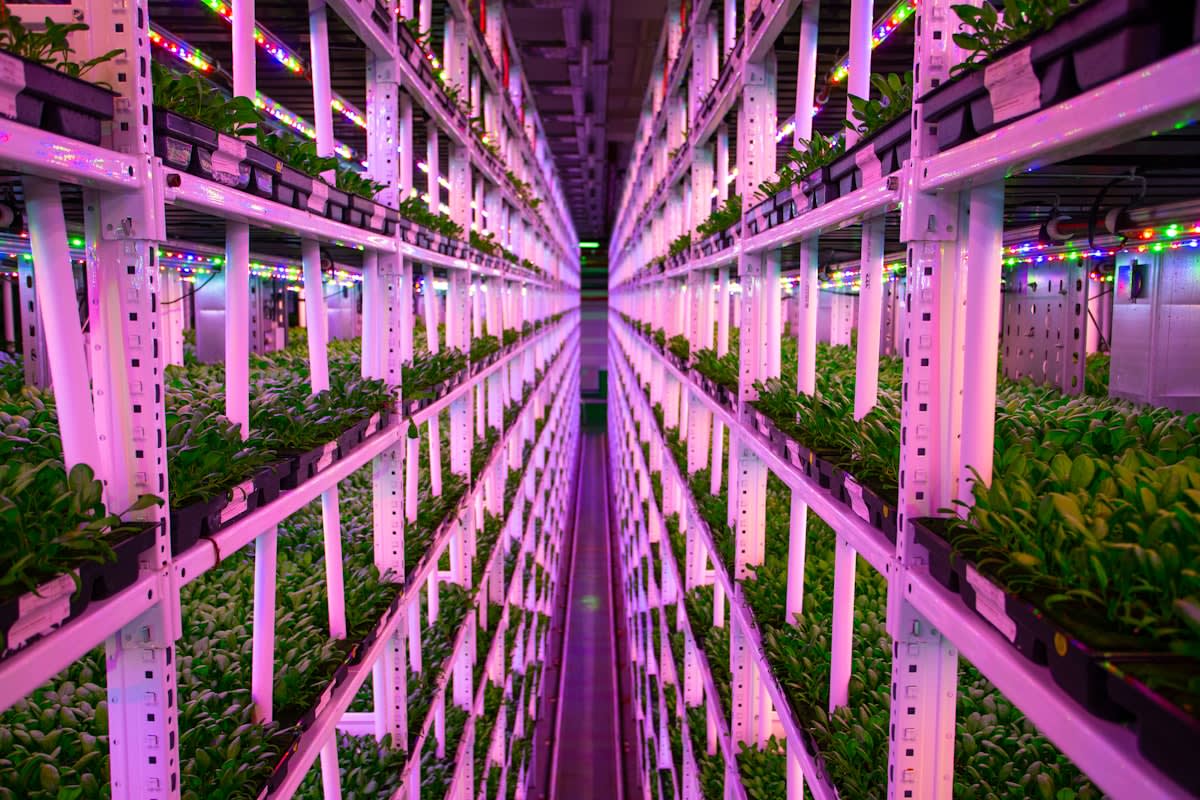
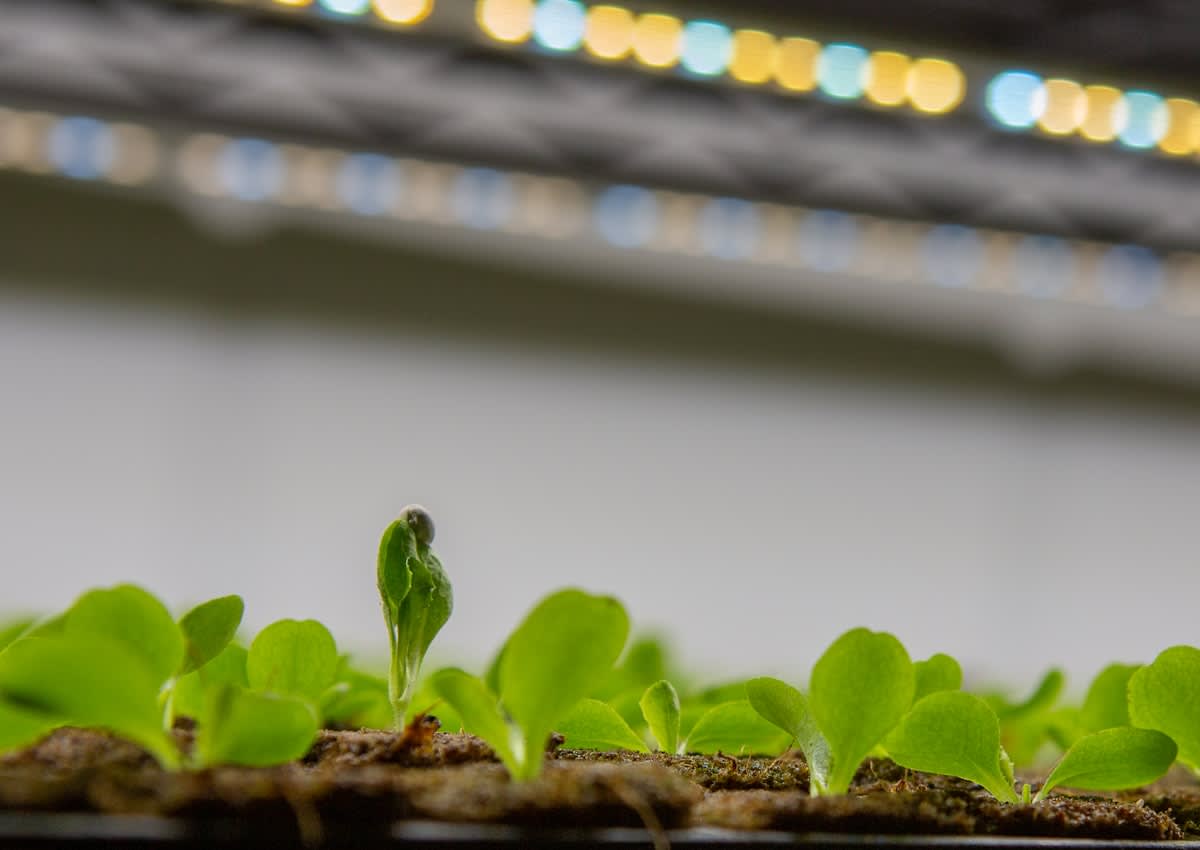
The difference between the agricultural strategy of 2023 and 2024 is stark. A year ago, vertical farming was largely a race to produce the cheapest, most aesthetically pleasing lettuce for urban markets. The value proposition was proximity and freshness. Now, the vanguard of Controlled Environment Agriculture (CEA) is manipulating light spectra and nutrient solutions to intentionally over-express specific vitamins. They are no longer just growing greens; they are designing functional foods. By tweaking the blue-to-red light ratio, these farms can increase the concentration of anthocyanins and antioxidants, turning a simple leaf into a targeted health intervention.
Why does this matter now? Because the economic cost of hidden hunger is becoming impossible to ignore. Micronutrient deficiencies lead to stunted growth, impaired cognitive development, and weakened immune systems, which in turn drag down national GDPs and healthcare systems. In regions across Sub-Saharan Africa and Southeast Asia, the reliance on monoculture staples like polished rice or maize has left populations calorie-rich but mineral-poor. The industry is responding by integrating biofortification directly into the seed, ensuring that the nutrients are baked into the crop rather than added as a pill or a powder after the fact.
The Core Distinction
The shift toward nutrient density represents a move from 'Food Security' (having enough food) to 'Nutrition Security' (having the right nutrients for biological function).
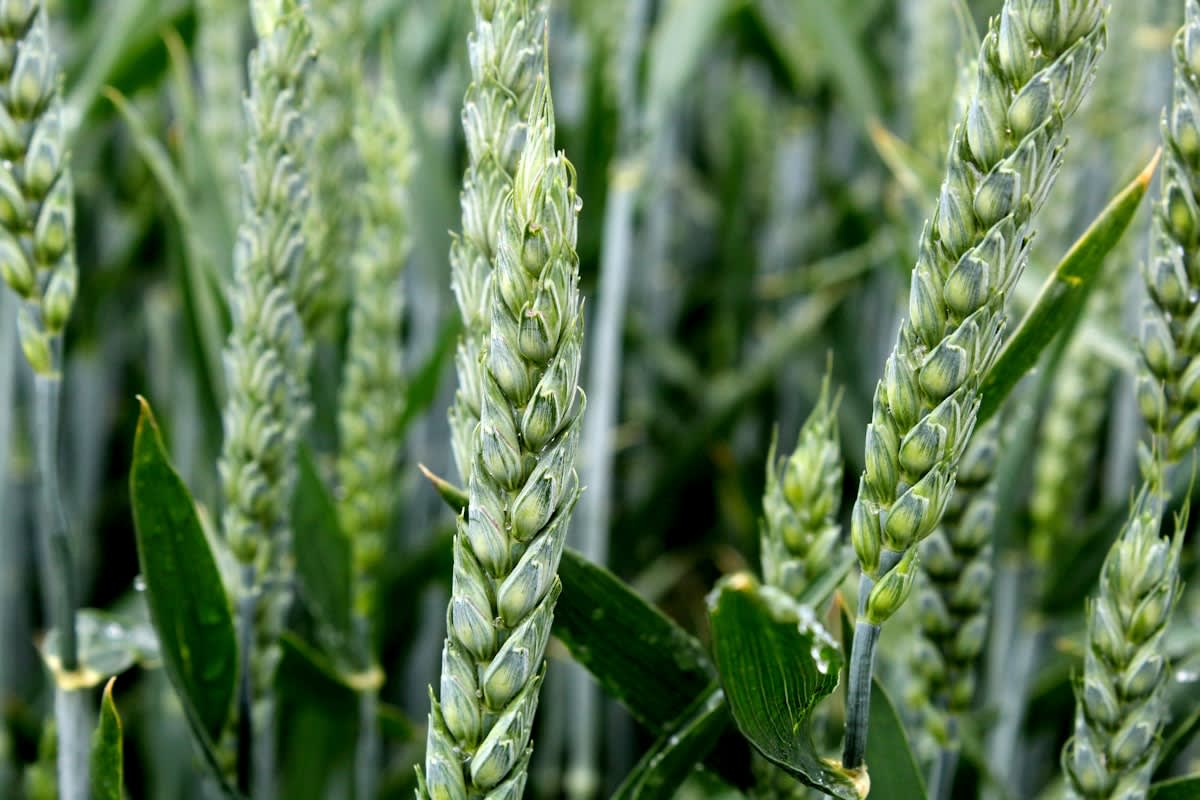
This transition is most visible in the rise of biofortified crops. We are seeing the deployment of zinc-fortified wheat and vitamin A-enriched sweet potatoes on a scale previously unseen. Unlike traditional fortification, where nutrients are sprayed on during processing, biofortification uses selective breeding and genetic editing to increase the plant's own ability to absorb and store minerals from the soil. This creates a sustainable, self-replicating source of nutrition that doesn't require a complex industrial supply chain to reach the most remote villages.
The Technology of Density
How are these new farms actually ignoring calories to prioritize minerals? It starts with the soil—or the lack thereof. In regenerative agriculture, the focus has returned to the soil microbiome. Farmers are discovering that the ability of a plant to uptake micronutrients is entirely dependent on the symbiotic relationship between roots and fungi. By eliminating synthetic nitrogen fertilizers, which often 'force' growth at the expense of nutrient density, these farmers are slowing down the growth cycle to allow the plant to develop a more complex mineral profile. It is a philosophy of quality over velocity.
| Metric | Traditional Industrial Farm | Nutrient-First Precision Farm |
|---|---|---|
| Primary Goal | Maximum Tonnage (Calories) | Maximum Nutrient Density |
| Success Indicator | Bushels per Acre | Milligrams of Micronutrients per Gram |
| Growth Strategy | Synthetic Nitrogen Forcing | Microbiome & Spectral Optimization |
| Focus | Quantity/Volume | Bio-availability/Quality |
In the realm of CRISPR and gene editing, the focus has shifted from pest resistance to nutrient enhancement. Researchers are now targeting the pathways that regulate how plants sequester iron and zinc. By modifying the transporters in the root system, they can create crops that pull more minerals from the earth even in nutrient-poor soils. This is a critical breakthrough for regions where the soil is naturally depleted, turning the land itself from a limitation into a canvas for nutritional design.
"We have spent fifty years fighting the hunger of the stomach. The next fifty years will be spent fighting the hunger of the cell."— Industry Lead, Global Nutrition Initiative
Does this mean we are abandoning the need for calories? Absolutely not. But the hierarchy of needs is changing. The emergence of 'functional farming' suggests that the market is beginning to value a crop not by its weight, but by its health outcome. We are seeing the birth of a new premium tier in agriculture where produce is certified by its micronutrient profile. This creates a powerful economic incentive for farmers to move away from the commodity trap of bulk calories and toward a high-value model based on nutrition.
Global Implementation and Regional Divergence
The application of this trend varies wildly by geography, reflecting the specific nutritional gaps of each region. In Latin America, the focus is heavily weighted toward soil regeneration to bring back lost minerals like magnesium and selenium. In contrast, the Gulf States are investing billions into CEA facilities that can produce nutrient-dense greens in the middle of the desert, bypassing the need for arable land entirely. The goal here is total nutritional autonomy, reducing the reliance on imported, nutrient-stripped produce.
- Sub-Saharan Africa: Scaling biofortified staples to reduce stunting and anemia.
- Southeast Asia: Integrating precision hydroponics to combat iodine and zinc deficiencies in urban centers.
- North America/Europe: Shifting toward 'regenerative' labels that correlate soil health with higher vitamin content.
- Middle East: Using spectral tuning in vertical farms to create 'super-crops' with enhanced antioxidants.
The integration of data analytics is the glue holding this together. New sensors can now measure the nutrient composition of a plant in real-time without destroying the sample. This allows farmers to adjust their inputs—whether it is a specific wavelength of light or a precise dose of chelated minerals—on the fly. We are moving from a world of 'average' nutrition to a world of 'exact' nutrition, where the food is tailored to the specific deficiencies of the population it serves.
This systemic shift is not without its challenges. The primary hurdle is the legacy infrastructure of the global food trade, which is built for bulk. Shipping and storing nutrient-dense foods often requires different handling than calorie-dense staples. However, the momentum is undeniable. As the cost of healthcare rises and the link between nutrition and long-term health becomes clearer, the demand for micronutrient-dense food will outweigh the demand for cheap calories.
Ultimately, the micronutrient map is a map of resilience. By diversifying the nutritional output of our farms, we make our food systems less fragile. We are no longer putting all our eggs in the 'calorie basket.' Instead, we are building a sophisticated, layered system of nutrition that recognizes the complexity of human biology. The farms of the future will not be measured by how much they produce, but by how much they nourish.
Investment Shift: Yield vs. Nutrient Density (Relative Interest)
Executive Insight
+18.4%
YTD Growth