GM reports 5.5% decline in third-quarter U.S. sales as EV sales drop
Source Entity
US Top News and Analysis
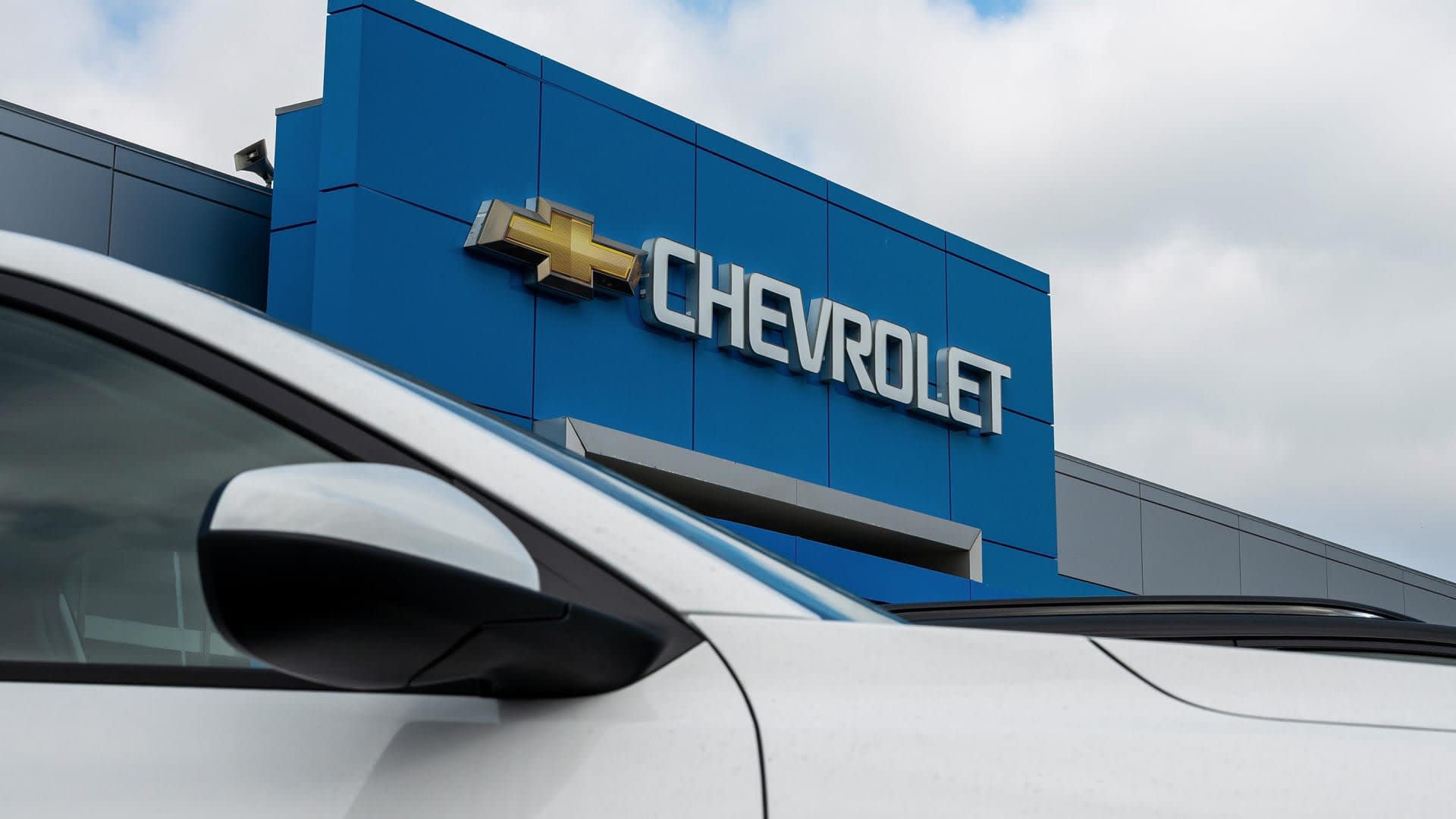
General Motors reported a 5.5% decline in third-quarter U.S. sales, driven largely by a drop in demand for all-electric vehicles. Market trends suggest a shift in consumer preference toward hybrid vehicles as federal EV incentives expire.
GM Reports Third-Quarter Sales Decline Amid EV Market Shift
General Motors (GM) has officially reported a 5.5% year-over-year decline in its third-quarter U.S. sales, moving 670,974 new vehicles during the period. This downturn comes at a critical juncture for the automotive giant, which has been aggressively pivoting its manufacturing capabilities toward an all-electric future. The decline suggests that the broader transition to electric mobility is facing significant headwinds as consumer enthusiasm for fully battery-powered vehicles wanes.
The Impact of Policy and Incentives
A primary driver behind this volatility is the expiration of federal incentives. Previously, consumers could access up to $7,500 in tax credits for purchasing electric vehicles, a policy that artificially inflated demand during the previous year. With the Trump administration's decision to end these incentives, the market has entered a correction phase. The spike in EV sales observed last year was largely a reaction to these impending policy changes, leaving a vacuum in demand as buyers now face the full sticker price of electric models.
Market Dynamics and Competitive Pressures
While GM struggles with its EV portfolio, the broader automotive sector remains surprisingly resilient. Cox Automotive recently adjusted its 2026 forecast upward by 2%, projecting total industry sales to reach 16.1 million units. This divergence highlights a specific challenge for GM: while the total market is performing better than anticipated, the demand is not currently migrating toward the pure-electric offerings that the company has prioritized, but rather toward more traditional or transitional segments.
The Rise of the Hybrid Alternative
As the EV market cools, hybrid vehicles are emerging as the preferred middle ground for consumers. With fluctuating and often inflated gas prices exerting pressure on household budgets, buyers are increasingly seeking the fuel efficiency of hybrids without the charging infrastructure concerns or the high entry costs associated with full electric vehicles. This shift in consumer sentiment is forcing manufacturers to recalibrate their production strategies to match the current reality of the retail landscape.
Strategic Implications and Future Outlook
General Motors now faces the dual challenge of managing a cooling EV segment while maintaining its competitive edge in the internal combustion and hybrid markets. The decline in sales across its all-electric lineup indicates that the company's current strategy may need to be balanced with a more robust hybrid offering to recapture market share. Moving forward, GM will likely need to navigate the delicate balance between long-term electrification goals and the immediate, pragmatic needs of a price-sensitive consumer base that is increasingly wary of the transition to pure battery-electric vehicles.