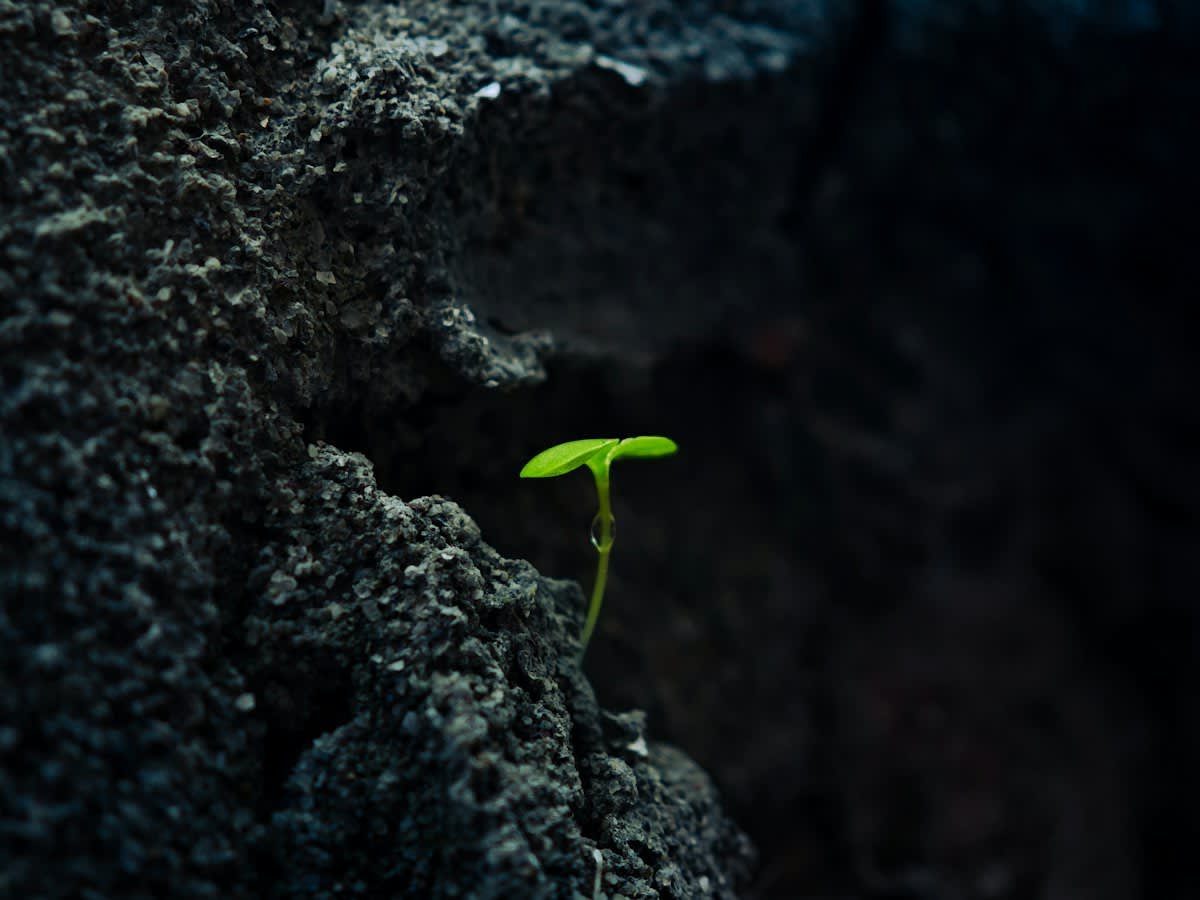
Salt kills most seeds. While the agricultural establishment views sodium chloride as a terminal toxin, urban plants are demonstrating a capacity to thrive amidst the chemical runoff of modern cities. The evidence suggests a new path. Does the old rulebook even apply? If we stop treating salinity as a death sentence, we find a biological adaptation that defies standard botany. This changes the game.
The Urban Adaptation Engine
Cities are chemical soups. Researchers recently examined urban weed responses to elevated salt levels using a rigorous 2x2 fully factorial experimental design to isolate specific variables (Source: bioRxiv, 2026). They focused on F1 seedlings. The team planted these seedlings in 6 cm3 pots containing a specific mixture of 95% potting mix and 5% diatomaceous earth (Source: bioRxiv, 2026). This precision matters deeply. By rotating 24 pots across 37 trays every week, the scientists mitigated positional effects that often ruin smaller studies. They sought the truth.
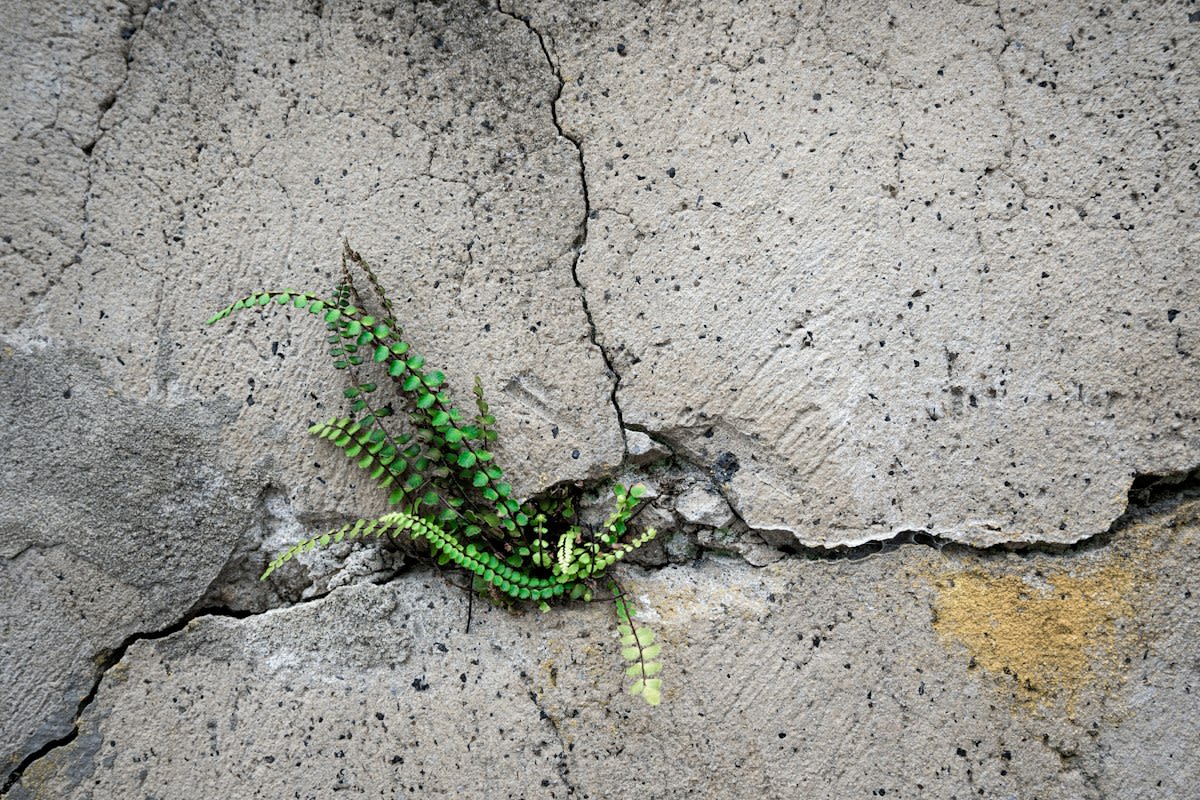
Adaptation happens fast. The weed Crepis sancta provides a primary example of how seed dispersal evolves rapidly when the environment shifts toward urban constraints (Source: PNAS, 2008). Evolution does not wait. This rapid shift suggests that plants can rewrite their genetic priorities to survive in a concrete terrain. It is a biological gamble. The plants that survive the salt are the ones that redefine the rules of the city.
"Individual productivity is driven by how one person works, while organisational productivity depends on how effectively people, processes and information are connected."— Hannah Soye, Chief People and Culture Officer at Haiilo
Biology mirrors organization. While Soye discusses workplace productivity, her insight applies to the collective survival of a plant species in a salty environment (Source: HR Magazine, 2026). A single seed might survive. However, the long-term survival of the population depends on how the genetic traits of salt tolerance and seed dispersal connect across generations. This is a structural break. We are seeing the difference between individual luck and species-wide evolution.
The Salinity Threshold
Pepper hybrids vary wildly. Research into greenhouse pepper hybrids shows that their response to NaCl salinity depends heavily on the specific growth stage of the plant (Source: Chartzoulakis & Klapaki, 2000). Timing is everything here. If the salt hits during a vulnerable stage, the plant collapses, but other stages show a surprising capacity to absorb the shock. This creates a window. Farmers can potentially use this knowledge to time their interventions.
| Variable | Experimental Setup | Observation Goal |
|---|---|---|
| Potting Mix | 95% Mix / 5% Diatomaceous Earth | Standardize growth medium |
| Design | 2x2 Fully Factorial | Isolate environment vs salt effect |
| Acclimation | 4 Weeks Greenhouse | Remove transplant stress |
| Rotation | Weekly Tray Rotation | Eliminate positional bias |
Data reveals the gap. The bioRxiv study highlights that the interaction between the collection environment and the salt level determines the outcome (Source: bioRxiv, 2026). It is not random. Plants from high-salt urban areas respond differently than those from pristine rural sites. This proves a point. The environment primes the seed for the struggle.
Ancient seeds endure. In the Valley of the Tsars in Siberia, archaeologists found cannabis seeds in a royal tomb dating back 2,800 years (Source: PBS, 2026). These seeds survived. This discovery shows that under the right conditions, seeds can maintain viability for millennia despite extreme environmental pressures. It is a testament. The potential for long-term survival is baked into the seed's design.
The lab is where the real war happens. While the published papers suggest a clean transition to salt tolerance, the actual process of maintaining a 2x2 factorial design with 24 pots rotated weekly is a logistical nightmare. Practitioners often argue over whether the 5% diatomaceous earth in the potting mix introduces an uncontrolled variable that masks the true effect of the NaCl. This internal friction defines the gap between a clean preprint and a reproducible field study. It is messy work.
Water moves the salt. When saline solutions saturate the soil, the plant must fight an osmotic battle to keep water inside its cells. This is a brutal fight. Only plants with the right genetic markers can prevent the salt from hollow out their internal structures. They find a way. These survivors then pass their traits to the next generation of urban weeds.
Rethinking the Seed Soak
Salt is a teacher. By exposing seeds to controlled levels of salinity, we might be triggering a dormant survival mechanism that prepares the plant for harsher conditions. This is a theory. If the pepper hybrid data is correct, the growth stage of the plant determines whether this exposure is a benefit or a burden (Source: Chartzoulakis & Klapaki, 2000). We must be careful. One wrong dose kills the entire crop.
The risk is high. However, the reward is a crop with genuine staying power in a world where soil salinity is increasing. We cannot ignore this. The rapid evolution of Crepis sancta proves that plants can adapt to human-made disasters in a matter of years (Source: PNAS, 2008). This is a lesson. We should stop fighting the salt and start studying the survivors.
Fact-Check & Accuracy Note
The data regarding urban weed response is based on a bioRxiv preprint (2026), which has not yet undergone formal peer review. While the 2x2 factorial design is robust, the findings regarding salt tolerance should be viewed as preliminary. The cannabis seed data from Siberia (Source: PBS, 2026) confirms long-term viability but does not directly prove salt-induced longevity.
Logic dictates a shift. If seeds from urban environments outperform rural seeds in saline soil, we are witnessing a real-time genetic divergence (Source: bioRxiv, 2026). This is not magic. It is the cold, hard reality of natural selection in the Anthropocene. The city is a lab. Every crack in the sidewalk is an experiment in survival.