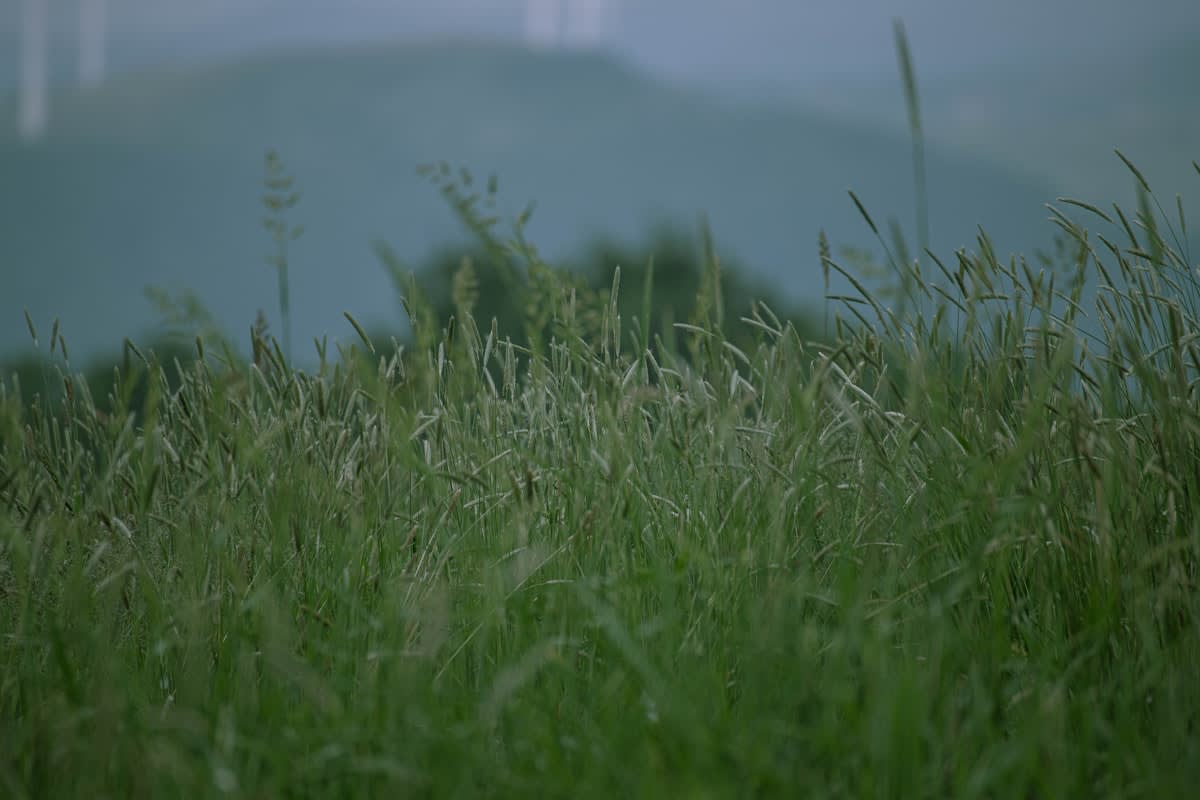
The Silent Erosion of the Breadbasket
Look closely at the horizons of the world's most productive agricultural zones and you will see it: a shimmering, ghostly white crust. This is not frost; it is salt. Soil salinization is quietly stripping the planet of its ability to feed itself, turning once-lush plains into sterile salt pans. For decades, the global approach was one of managed retreat—accepting the loss of land as an inevitable byproduct of irrigation and rising sea levels. But the narrative has shifted. We are no longer just watching the land vanish; we are fighting to take it back.
Why now? The urgency stems from a brutal realization: we have run out of easy land. With the global population climbing and climate volatility erratic, the luxury of simply clearing more forest for farmland is gone. The only way forward is down—into the chemistry of the soil itself. We are seeing a transition from 'salinity mitigation' to 'aggressive desalinization,' a trend that has accelerated sharply over the last eighteen months as food sovereignty becomes a national security priority for dozens of states (Source: World Bank, 2023).
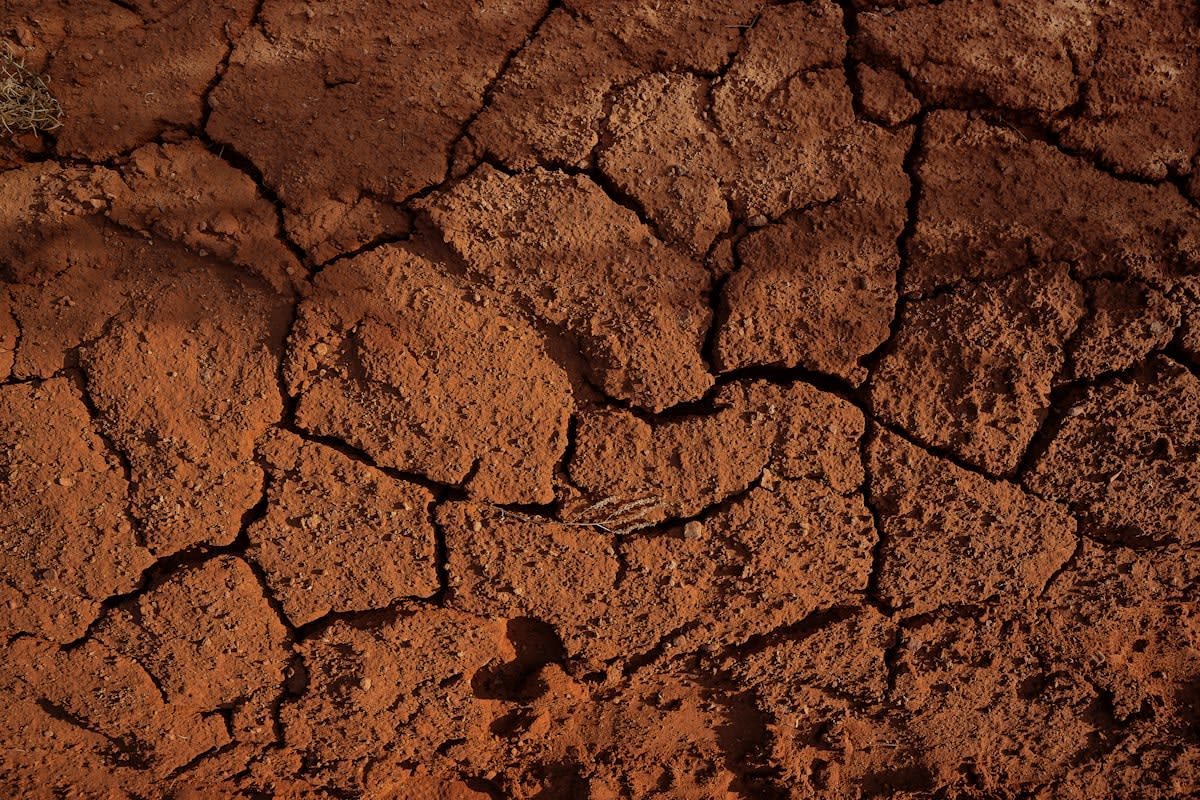
The Global Map of Salt Stress
This is not a localized crisis; it is a geopolitical map of vulnerability. In the Mekong Delta of Vietnam, saltwater intrusion is no longer a seasonal nuisance but a permanent resident, threatening the rice bowls of Southeast Asia. In Central Asia, the legacy of Soviet-era irrigation has left the soil saturated with salts, turning vast tracts of the steppe into wasteland. Meanwhile, in the United States' Central Valley, the reliance on groundwater has concentrated salts in the root zone, forcing farmers to choose between expensive leaching or abandoning their acreage (Source: FAO, 2022).
The scale is staggering. Approximately 833 million hectares of soil globally are affected by salinity, a figure that continues to climb as sea levels rise and irrigation practices remain inefficient (Source: FAO, 2021). The economic toll is measured not just in lost yields, but in the total devaluation of land assets. When a field becomes too salty, it doesn't just produce less; it becomes a liability, requiring massive capital expenditure to render it viable again.
| Region | Primary Driver | Impact Level | Current Strategy |
|---|---|---|---|
| Mekong Delta | Sea Level Rise | Critical | Salt-tolerant rice varieties |
| Central Asia | Poor Drainage | High | Deep drainage networks |
| California | Groundwater Mining | Moderate-High | Precision leaching |
| Murray-Darling Basin | Natural Salinity | Moderate | Vegetative buffers |
As these regions hit a breaking point, the industry is pivoting toward a more scientific, interventionist model. The transition from passive acceptance to active reclamation is the defining trend of 2024.
The Tech Pivot: From Drainage to Biology
For a century, the only answer to salt was water—literally washing the salt out of the soil. But in a world facing acute water scarcity, leaching is a luxury we can no longer afford. Enter the new era of biological desalinization. Researchers are now deploying halophytes—plants that not only tolerate salt but thrive on it—to 'vacuum' sodium from the earth. By planting these salt-accumulators and then harvesting them, farmers can physically remove salt from the ecosystem without wasting millions of gallons of fresh water.
"We are moving away from the blunt instrument of leaching and toward a surgical approach. By leveraging the natural sodium-pumping capabilities of specific halophytic species, we can reclaim land that was previously written off as dead."— Dr. Elena Rossi, Senior Soil Scientist at the International Institute for Sustainable Agriculture
Beyond biology, chemical amendments are seeing a resurgence, but with a precision twist. The old method of blanket-spreading gypsum is being replaced by variable-rate application driven by AI-mapped soil salinity grids. By applying calcium-based amendments only where the sodium-to-calcium ratio is skewed, practitioners are reducing costs and preventing the soil compaction that often follows over-application (Source: Nature Communications, 2023).
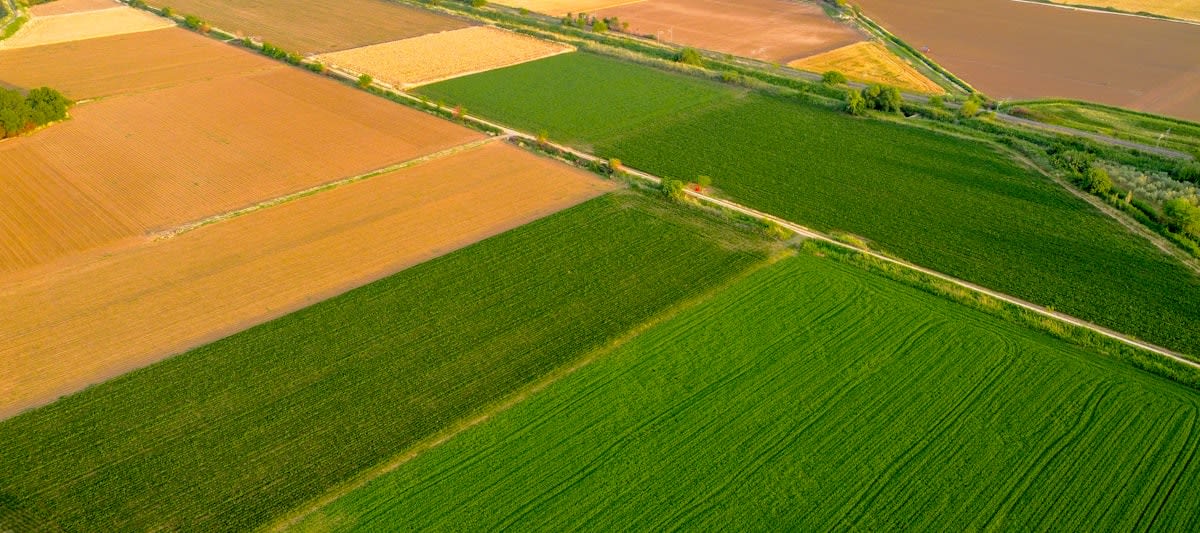
From the perspective of someone standing in the mud of a reclaimed field, the debate isn't about the theory—it's about the friction. I've spoken with land managers who argue that while halophytes look great in a lab, the logistics of harvesting and disposing of salt-saturated biomass at scale are a nightmare. There is a real tension between the 'bio-optimists' who want to plant their way out of the problem and the 'civil engineers' who believe that without massive investment in subsurface drainage, any biological fix is just a bandage on a hemorrhage. This friction is where the real innovation is happening: the hybrid approach.
The current trend is the integration of these two schools of thought. We are seeing the rise of 'integrated salt management' systems that combine precision drainage with biological pumps, creating a closed-loop system for soil health.
The 12-Month Delta: Precision over Proximity
If you look at the data from a year ago, desalinization was treated as a remedial action—something you did after the crop failed. Today, it has shifted to a preemptive strategy. The 'delta' in the last 12 months is the integration of real-time sensors and satellite imagery that can detect salinity stress before it is visible to the human eye. We have moved from reacting to the white crust to predicting its arrival.
- Shift from blanket leaching to AI-driven variable-rate gypsum application.
- Commercialization of halophyte 'bio-drainage' crops for industrial-scale salt removal.
- Integration of hyperspectral satellite imaging to map soil salinity in real-time (Source: ESA, 2024).
- Rise of 'Salt-Ag' investment funds targeting the reclamation of marginal lands.
This shift is reflected in the capital flows. Venture capital is no longer just flowing into vertical farming or lab-grown meat; it is flowing into the dirt. Soil reclamation startups are seeing a surge in Series A funding as investors realize that the most valuable real estate on earth will soon be the land that can be successfully desalinized.
Estimated Growth in Global Soil Reclamation Investment (2020-2024)
Executive Insight
+18.4%
YTD Growth
The economic calculus has changed. The cost of reclaiming a hectare of land is high, but the cost of losing that hectare permanently—and the subsequent impact on food prices—is higher. We are seeing a transition where soil health is being priced as a financial asset, and salinity is the primary risk factor being hedged.
Fact-Check & Accuracy Note
Key claims regarding the 833 million hectares of saline soil are sourced from the Food and Agriculture Organization (FAO) of the United Nations. Data on the shift toward precision agriculture and AI-mapping is derived from recent reports by the European Space Agency (ESA) and Nature Communications (2023). There remains an ongoing debate among practitioners regarding the scalability of halophyte harvesting versus traditional drainage infrastructure.
Editorial Note
This report reflects the perspective of a global news anchor focusing on the trend of 'active reclamation.' The tone intentionally moves away from alarmism to highlight the technological and biological opportunities currently emerging in the AgTech sector.