Will Pakistan decide J&K statehood, asks CM Omar Abdullah
Source Entity
NASEER GANAI
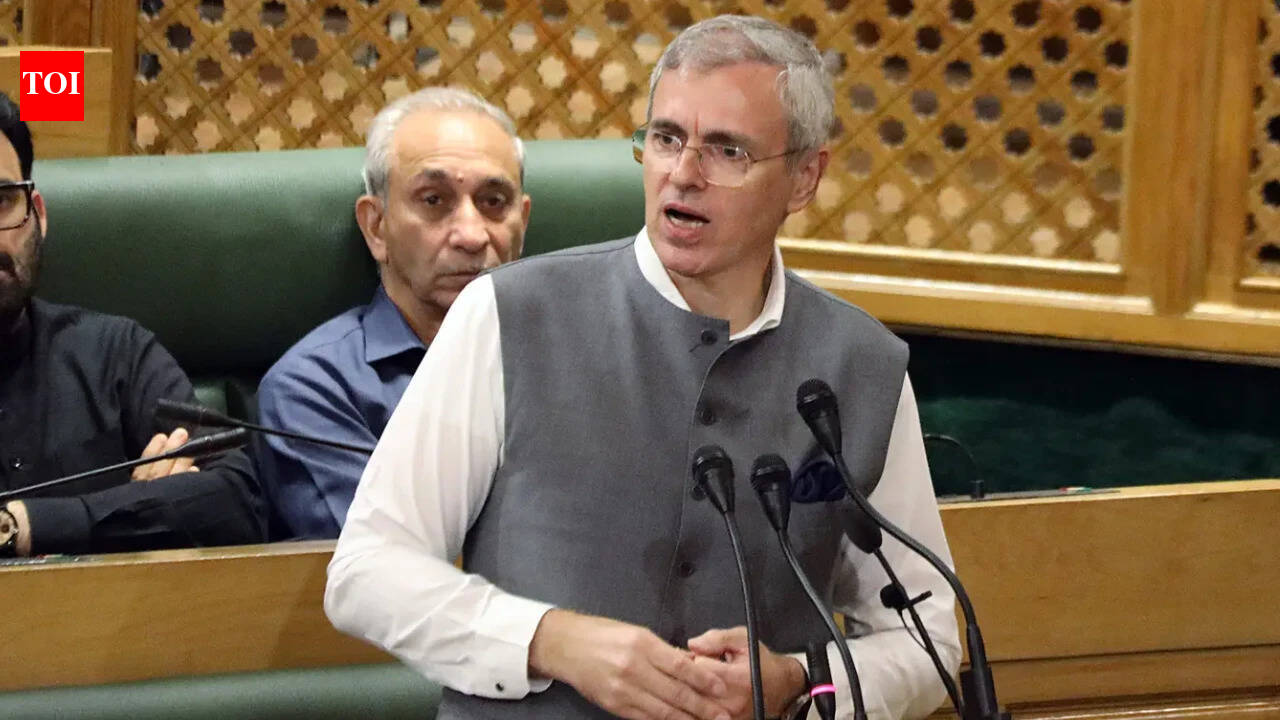
The Jammu and Kashmir Assembly is debating a resolution for the restoration of statehood, with National Conference legislators pushing to include the reinstatement of Articles 370 and 35A. The process has faced political friction, including a BJP walkout and rare opposition from bureaucrats.
The Legislative Battle for Jammu and Kashmir’s Future
The political landscape of Jammu and Kashmir (J&K) has reached a critical juncture as Chief Minister Omar Abdullah moves a resolution in the Legislative Assembly seeking the restoration of statehood. This move, framed as a continuation of the 2000 autonomy resolution, represents a fundamental attempt to reclaim the administrative status the region held prior to the 2019 reorganization. The legislative session has become a flashpoint for regional identity, political sovereignty, and the ongoing debate surrounding the constitutional changes implemented by the central government.
The Push for Constitutional Reinstatement
While the primary resolution focuses on the restoration of statehood, the internal dynamics of the National Conference (NC) have introduced a more complex layer to the debate. Six NC legislators—Javid Hassan Baig, Tanvir Sadiq, Ajaz Ahmed Jan, Hilal Akbar Lone, Altaf Ahmad Wani, and Choudhary Mohammad Akram—have formally moved amendments to explicitly include the restoration of Article 370 and Article 35A. By seeking to cement these constitutional articles into the resolution, these members are pushing the party line beyond mere statehood, aiming to restore the special status that previously granted J&K distinct legislative and residency protections.
Cross-Party Support and Legislative Friction
Despite the contentious nature of these amendments, the resolution has garnered support from unexpected corners, including the Peoples Democratic Party (PDP) and the J&K Peoples Conference (JKPC). This cross-party alignment suggests a significant regional consensus on the necessity of statehood. However, the assembly floor remains highly volatile. The proceedings were marked by disruptions and a walkout by the Bharatiya Janata Party (BJP), highlighting the deep ideological divide between those seeking to undo the 2019 status quo and those who support the current administrative structure.
Bureaucratic Interference and Administrative Tension
Adding to the political volatility is an unusual development involving the bureaucracy. Reports indicate that bureaucrats have issued a letter to the Assembly Speaker opposing the resolution. This rare intervention by the administrative machinery into legislative affairs has sparked controversy, with Chief Minister Omar Abdullah stating he had no prior knowledge of the letter. This friction suggests a potential disconnect between the elected government and the permanent civil service in the region, potentially complicating the implementation of any resolution passed by the house.
Broader Implications and Future Trajectory
The outcome of this debate is not merely symbolic; it carries significant weight for the future of federalism in India. If the resolution passes with the proposed amendments, it will signal a direct challenge to the central government's 2019 policy. The interplay between the legislative assembly's push for constitutional restoration and the central government's firm stance on the current administrative status will likely define the political discourse in the region for the foreseeable future. The coming days will be vital in determining whether the assembly can maintain its legislative authority in the face of both political opposition and bureaucratic hurdles.
Multiple Citing Sources