Over 40 modules of Shahzad Bhatti network busted, 350 held across 15 States: Amit Shah
Source Entity
India Latest News: Top National Headlines Today & Breaking News | The Hindu
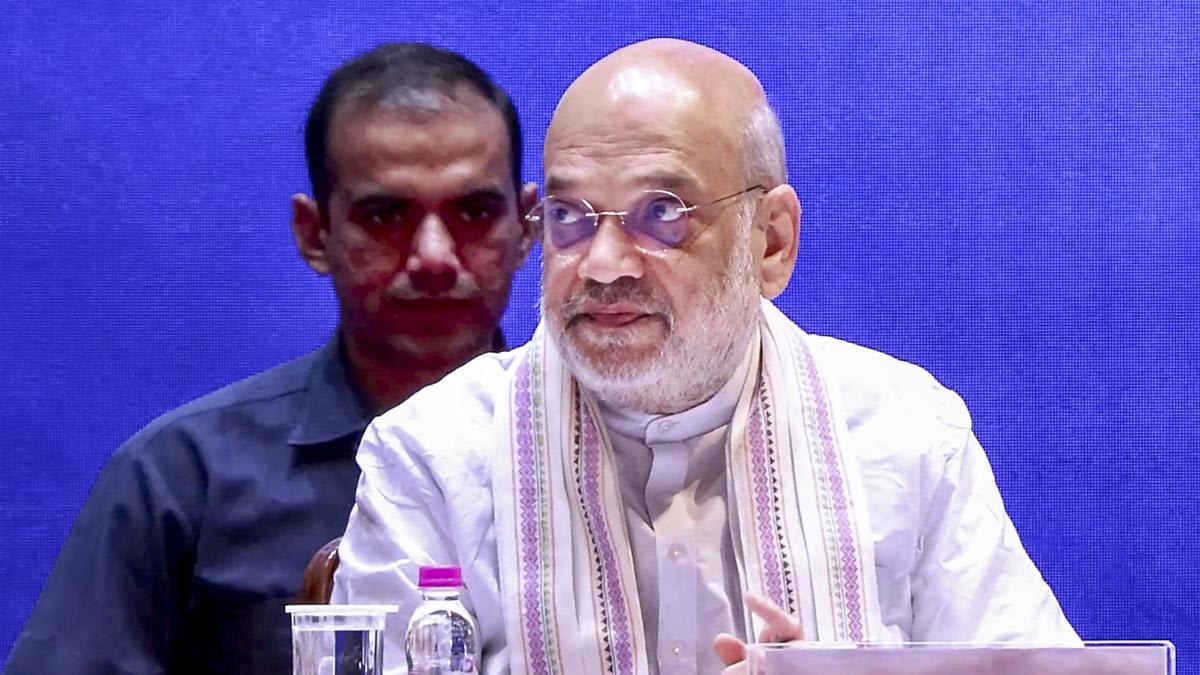
Union Home Minister Amit Shah has announced the dismantling of the Shahzad Bhatti terror network, resulting in 350 arrests across 15 states. The government has declared the network a terrorist organization under the UAPA while launching a new extradition portal to expedite the return of fugitives.
Systematic Dismantling of the Shahzad Bhatti Terror Network
In a significant security development, Union Home Minister Amit Shah announced the successful neutralization of over 40 modules associated with the Shahzad Bhatti network. This large-scale operation, which spanned 15 states, resulted in the arrest of 350 individuals and the registration of over 100 First Information Reports (FIRs). The crackdown highlights a sophisticated effort to disrupt a network allegedly involved in the cross-border smuggling of narcotics, explosives, and weapons, posing a direct threat to national security.
The Role of Digital Radicalization
A particularly concerning aspect of this case is the identity of the network's namesake, Shahzad Bhatti, who is identified as a Pakistani social media influencer. The use of social media platforms to lure individuals into terror networks represents a shift in modern recruitment tactics. Reports indicate that victims were often enticed by the promise of a luxurious lifestyle, only to be co-opted into illegal activities. This underscores the evolving nature of hybrid warfare where digital influence is weaponized to facilitate physical border crimes.
Legislative and Institutional Response
To combat this threat, the Union Government has officially designated the Shahzad Bhatti network as a terrorist organization under the Unlawful Activities (Prevention) Act (UAPA). This legal classification grants security agencies broader powers to seize assets and conduct investigations. By formalizing this designation, the state aims to isolate the network's facilitators and dismantle its financial and logistical infrastructure, which is essential for preventing future cross-border incursions.
The PRAHAAR Strategy
Complementing the crackdown is the inauguration of the ‘PRAHAAR’ (Prevention, Response, Aggregating Internal Capacities, Human Rights, Attenuating Conditions for Terrorism, Aligning International Efforts, and Recovery and Resilience) conference. This strategy reflects a 'whole-of-society' approach to counter-terrorism. By institutionalizing these seven pillars, the government intends to move beyond reactive measures, focusing instead on long-term resilience and the systematic removal of the conditions that allow terrorism to flourish.
Advancing International Cooperation
The launch of the new Extradition Portal marks a critical step in addressing the impunity enjoyed by fugitives operating from abroad. Amit Shah’s directive to state police forces to coordinate with this portal suggests a move toward a more centralized, data-driven approach to international legal cooperation. As the government seeks to bring perpetrators back to face justice, this digital tool will be vital in streamlining the complex diplomatic and legal requirements associated with extradition, ultimately strengthening the efficacy of India's zero-tolerance policy against terrorism.
Multiple Citing Sources
Verification Required?