
The contract is broken. For decades, the global agricultural narrative was written by a handful of corporations promising a linear path to abundance through F1 hybrid seeds and synthetic inputs. The deal was simple: accept higher yields in exchange for a permanent subscription to the seed supply. But in the last twelve months, the math has stopped adding up for millions of growers from the Mekong Delta to the Mato Grosso. The promise of stability has been replaced by a precarious dependency on proprietary genetics that fail the moment the weather deviates from the laboratory baseline.
This is not a nostalgic retreat to the past. It is a sophisticated risk-management strategy. We are witnessing a systemic shift toward seed sovereignty—the right of farmers to save, use, exchange, and sell their own seeds. While the industrial complex frames this as a fringe movement of organic hobbyists, the reality is far more pragmatic. Mid-to-large scale producers are quietly diversifying their acreage, integrating ancestral landraces that possess the genetic plasticity to survive erratic rainfall and shifting pest profiles.
The Delta: From Niche to Necessity
Compare the landscape of eighteen months ago to today. Previously, the abandonment of industrial hybrids was largely driven by ideological opposition to GMOs or a commitment to organic certification. Today, the driver is economic survival. With the cost of proprietary seed packages and their required chemical bundles spiking by an estimated 20% to 30% in several emerging markets, the 'subscription model' of farming has become an unsustainable overhead. Farmers are no longer asking if ancestral seeds are 'modern' enough; they are asking if industrial seeds are too fragile.
The Resilience Pivot
The shift is characterized by a move from 'Maximum Yield' (the industrial goal) to 'Optimal Resilience' (the sovereign goal). The objective is no longer the highest possible peak in a perfect year, but the highest possible floor in a bad year.
Why now? The acceleration is tied to the failure of the 'universal seed.' Industrial hybrids are bred for uniformity. They perform spectacularly when the inputs are precise and the environment is controlled. However, as climate volatility increases, that uniformity becomes a catastrophic single point of failure. If a specific hybrid strain is susceptible to a new fungal mutation or a 10-day heatwave, the entire harvest vanishes. Ancestral seeds, by contrast, are genetically diverse. In a field of landrace maize, some plants will fail, but others will thrive, ensuring a harvest regardless of the anomaly.
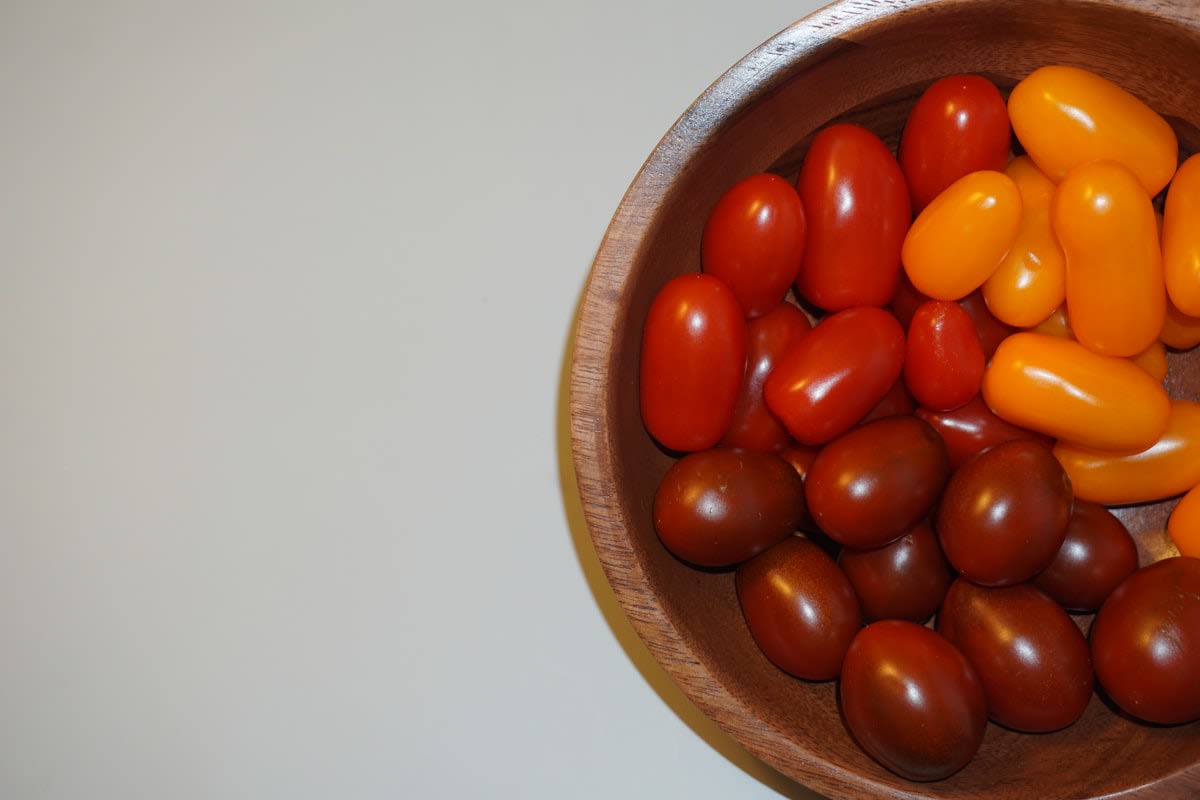
This transition is manifesting in distinct regional patterns. In the Andean highlands, potato farmers are reclaiming thousands of native varieties that can withstand frost and drought, moving away from the few standardized varieties pushed by global ag-tech. In India, there is a surging interest in indigenous millets—crops that were dismissed as 'poor man's food' during the Green Revolution but are now recognized as nutritional powerhouses that require a fraction of the water used by hybrid rice or wheat.
"We are not fighting against technology; we are fighting for the right to use the most advanced technology we have: the evolved intelligence of seeds that have survived ten thousand years of environmental chaos."— Lead Coordinator, Global Seed Sovereignty Network
The economic ripple effects are significant. When a farmer saves their own seed, they shift a recurring operational expense into a long-term capital asset. This decouples the farm's survival from the pricing whims of a distant corporate headquarters. It transforms the farmer from a consumer of inputs into a curator of genetics.
The Architecture of Resilience
How does this work in practice? The process begins with the establishment of community seed banks. These are not sterile vaults like the Svalbard Global Seed Vault, but living libraries. Farmers contribute their best-performing seeds from each harvest, creating a localized genetic pool that is constantly adapting to the specific micro-climate of the region. This creates a feedback loop of adaptation that no laboratory in a different hemisphere can replicate.
| Feature | Industrial Hybrids (F1) | Ancestral Landraces |
|---|---|---|
| Seed Source | Annual Purchase | Farmer-Saved/Exchanged |
| Genetic Profile | Uniform/Standardized | Diverse/Heterogeneous |
| Input Requirement | High (Synthetic Fertilizers) | Low to Moderate (Organic/Local) |
| Climate Response | Brittle (High Peak, Low Floor) | Adaptive (Stable Average) |
| Ownership | Corporate IP | Common Heritage |
The tension here is fundamentally about intellectual property. Industrial seeds are often protected by patents or restrictive licensing agreements that forbid seed saving. This creates a legal friction that is now sparking a global counter-movement. In several jurisdictions, we are seeing the emergence of 'Seed Commons'—legal frameworks that protect the right to exchange seeds as a matter of food security and human rights.
Is this shift scalable? The critics argue that landraces cannot feed 8 billion people. This is a flawed premise. While a single hectare of hybrid corn might outperform a hectare of landrace corn in a perfect year, the aggregate stability of landrace systems across diverse landscapes reduces the risk of total systemic collapse. We are moving from a 'maximum yield' philosophy to a 'minimum viable survival' philosophy.
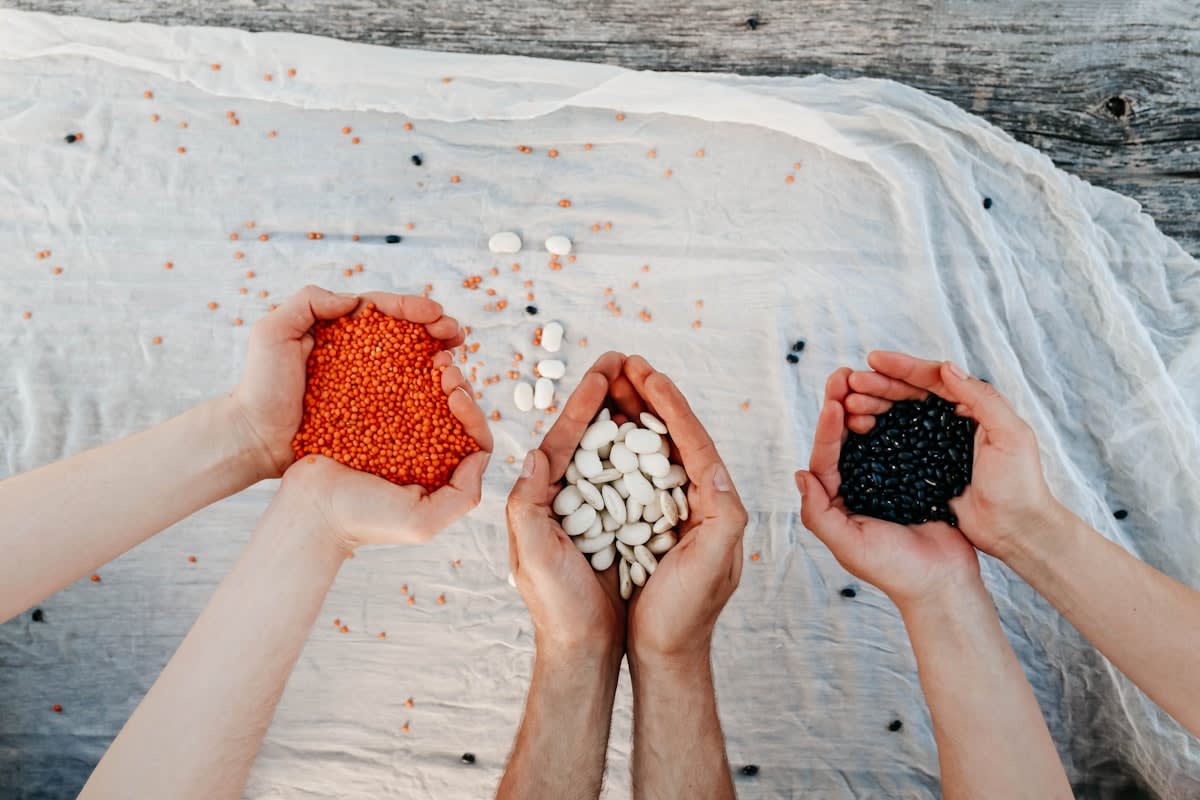
The movement is also intersecting with the rise of regenerative agriculture. Ancestral seeds typically have deeper root systems and more symbiotic relationships with soil microbes than their hybrid counterparts. This reduces the need for synthetic nitrogen, which in turn lowers the carbon footprint of the farm. The seed is the first domino; once you change the seed, the entire chemical dependency of the farm begins to crumble.
The Geopolitical Implication
Seed sovereignty is becoming a matter of national security. Nations that rely entirely on imported, proprietary seeds are vulnerable to supply chain disruptions and geopolitical leverage. We saw this during recent global shocks when seed shipments were delayed, leaving farmers with empty silos and no alternatives. The push for 'ancient' resilience is, in many ways, a push for strategic autonomy.
- Reduction in debt cycles by eliminating annual seed purchases.
- Increased crop diversity leading to more resilient local food systems.
- Preservation of genetic traits that are critical for future climate adaptation.
- Empowerment of smallholder farmers through decentralized knowledge networks.
As we look toward the next decade, the divide will likely sharpen. On one side, we will see the hyper-industrialized, AI-driven 'precision' farms continuing to push the limits of hybrid genetics. On the other, a growing and powerful network of sovereign farmers utilizing a 'precision' of a different kind: the precision of evolutionary biology. The question is no longer which system is more 'advanced,' but which one is more durable.
The quiet abandonment of industrial hybrids is a signal. It tells us that the era of the 'universal solution' is over. In its place, we are seeing a return to the local, the diverse, and the adaptive. The farmers leading this charge are not rebels; they are the ultimate pragmatists, ensuring that when the next environmental shock hits, they still have something to harvest.