Claude Code and your Google TV: Vibe coding, and a new lease of life
Source Entity
Latest News: Todays Latest News Headlines from India & World | Hindustan Times | Hindustan Times
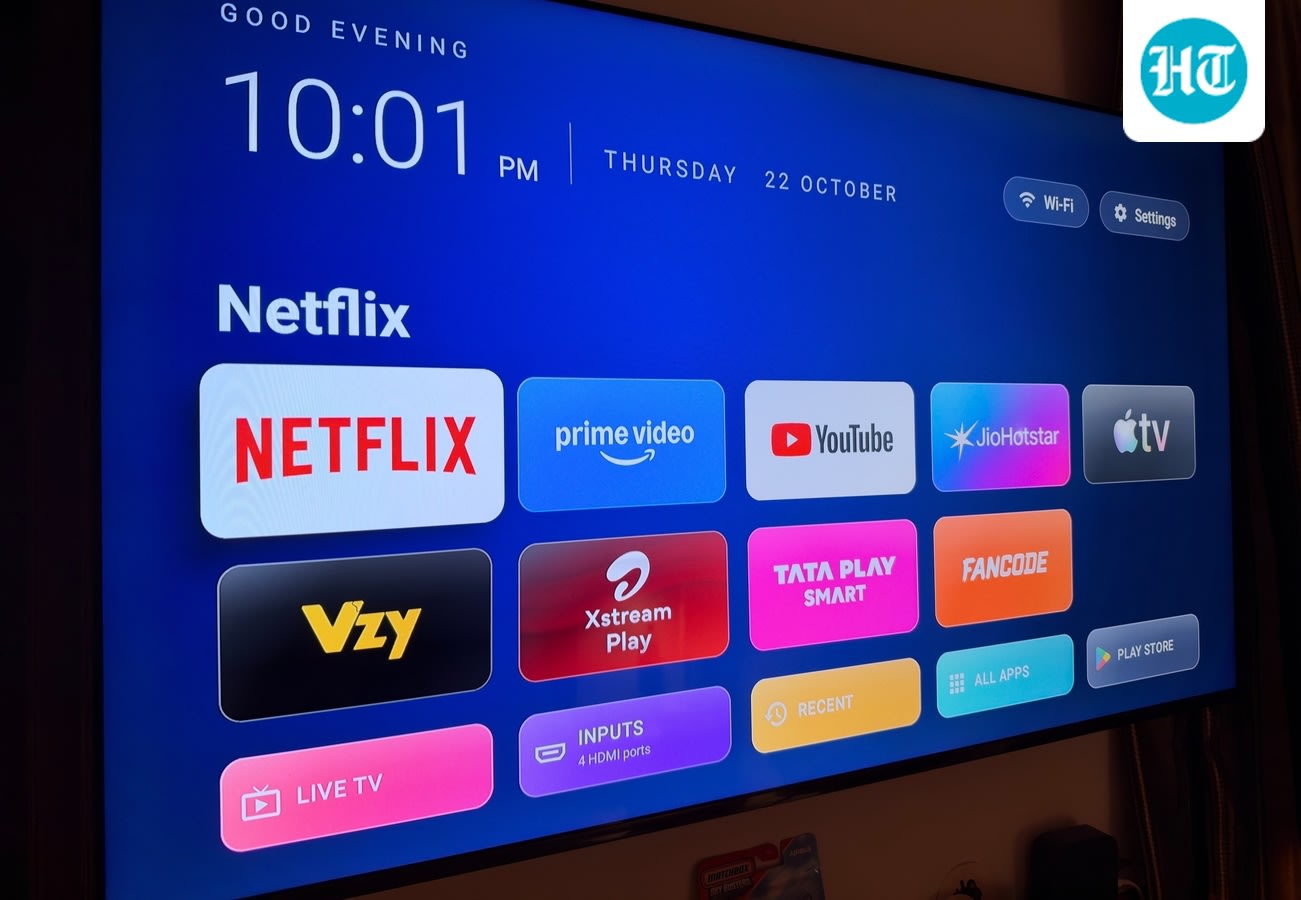
Recent reports highlight that Google TV and Android TV performance issues are primarily caused by excessive bloatware. By debloating these systems, users can significantly improve speed, responsiveness, and overall user experience.
The Performance Paradox: Deconstructing Google TV Bloat
The landscape of modern home entertainment is currently dominated by smart TV interfaces, yet many users find themselves trapped in a cycle of sluggish performance and intrusive advertising. Recent reports from late October 2026 indicate that even the latest generation of Google TV and Android TV devices suffer from significant latency, often failing to meet the performance expectations of premium hardware. This systemic issue suggests that the fault lies not in the underlying chipsets, but in the software environment curated by manufacturers.
The Impact of Pre-Installed Bloatware
At the heart of the frustration is the aggressive inclusion of pre-installed applications—commonly referred to as bloatware—that consume system resources from the moment the device is powered on. These background processes, combined with resource-heavy home screen interfaces, create a bottleneck that manifests as slow boot times and input lag. For the average consumer, this translates to a degraded experience where the interface feels unresponsive, turning a high-end television into a cumbersome piece of technology.
Debloating as a Performance Solution
Recent technical interventions have demonstrated that these performance issues are largely remediable. By systematically stripping away unnecessary applications and optimizing the system environment, users have successfully transformed their smart TVs into faster, leaner machines. This process of 'debloating' serves as a critical proof-of-concept: it confirms that the hardware is capable of high performance, but is currently being throttled by the software decisions of TV manufacturers.
The Future of Smart TV Optimization
As the industry moves forward, the trend toward 'vibe coding' and minimalist software optimization could redefine how we interact with our living room displays. The findings suggest a growing demand for a 'clean' operating system experience. If manufacturers continue to prioritize ad-heavy, app-cluttered interfaces over raw performance, they risk alienating a user base that is increasingly tech-savvy and willing to perform manual optimizations to reclaim the functionality of their devices.
Conclusion: A Call for User Agency
The current state of Google TV underscores a disconnect between manufacturer incentives and user needs. While companies prioritize advertising revenue through pre-loaded apps, users prioritize speed and a clutter-free interface. Moving forward, the success of these platforms may depend on whether manufacturers adopt a more modular approach to software, allowing users to choose the applications they want, rather than forcing a bloated ecosystem that compromises the hardware's potential.
Verification Required?