RTC should do more with Gamyam bus live-tracking app
Source Entity
India Latest News: Top National Headlines Today & Breaking News | The Hindu
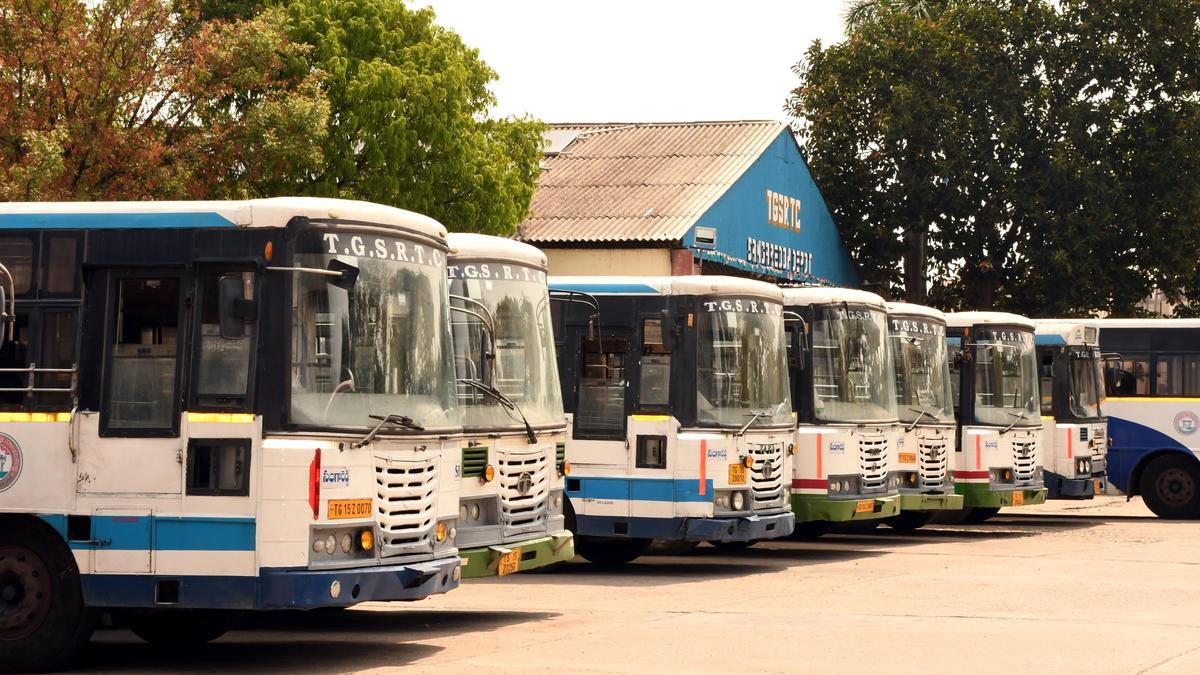
Commuters in Telangana are reporting significant reliability issues with the TGSRTC 'Gamyam' bus tracking app. Users are urging the corporation to improve real-time data accuracy and oversight of bus operations.
The Digital Gap in Public Transit
The Telangana State Road Transport Corporation’s (TGSRTC) 'Gamyam' app was launched with the promise of modernizing public transit by providing commuters with real-time visibility into bus movements. However, recent user feedback highlights a growing disconnect between the app’s intended functionality and the lived reality of daily passengers. As public transportation remains the backbone of urban mobility in Telangana, the efficiency of such digital tools is not merely a convenience but a necessity for thousands of students, professionals, and daily laborers who rely on the state bus network.
Critical Failures in Real-Time Tracking
The core complaint voiced by users, such as student Prithvi Raj, centers on the app’s inability to consistently provide real-time bus locations. When a tracking application fails to accurately sync with the physical location of a vehicle, it erodes public trust in both the technology and the transit authority. For commuters, the inability to track a bus in real-time often leads to unnecessary waiting times, increased uncertainty, and a general decline in the perceived reliability of the TGSRTC service.
Data-Driven Governance and Accountability
Beyond simple location tracking, there is a clear demand from the public for the TGSRTC to leverage the 'Gamyam' platform for deeper operational analytics. Users are suggesting that the data generated by the app should be utilized to monitor adherence to published timetables. By identifying consistently delayed routes or specific buses that fail to maintain schedules, the corporation could potentially transition from reactive management to proactive service optimization, thereby improving the overall punctuality of the network.
Operational Irregularities and Service Standards
A particularly concerning issue raised by users is the tendency of some buses to skip designated stops, effectively operating as express services when they are categorized as ordinary ones. This behavior not only creates confusion for passengers waiting at those stops but also undermines the standardized service models the RTC is expected to maintain. Integrating route updates into the app immediately upon the launch of new services is essential to ensure that passengers are not left stranded due to outdated digital information.
Future Trends and Recommendations
Moving forward, the TGSRTC must view 'Gamyam' as a living ecosystem rather than a static piece of software. To address these concerns, the corporation should prioritize the synchronization of its GPS hardware with the user interface to ensure high-fidelity data. Furthermore, incorporating a feedback mechanism within the app where users can report skipped stops or inaccurate timing could provide the RTC with the ground-level data needed to enforce stricter operational discipline among drivers and staff.
Conclusion
The success of digital transformation in public transit relies heavily on reliability and user-centric design. While the Gamyam app represents a positive step toward modernization, its current limitations regarding real-time accuracy and route adherence must be addressed to fulfill its potential. By focusing on data-driven accountability and maintaining up-to-date information, the TGSRTC can significantly enhance the commuter experience and reinforce the importance of public transit in the state’s urban infrastructure.
Verification Required?