Astroterm: A Planetarium for Your Terminal
Source Entity
Hacker News
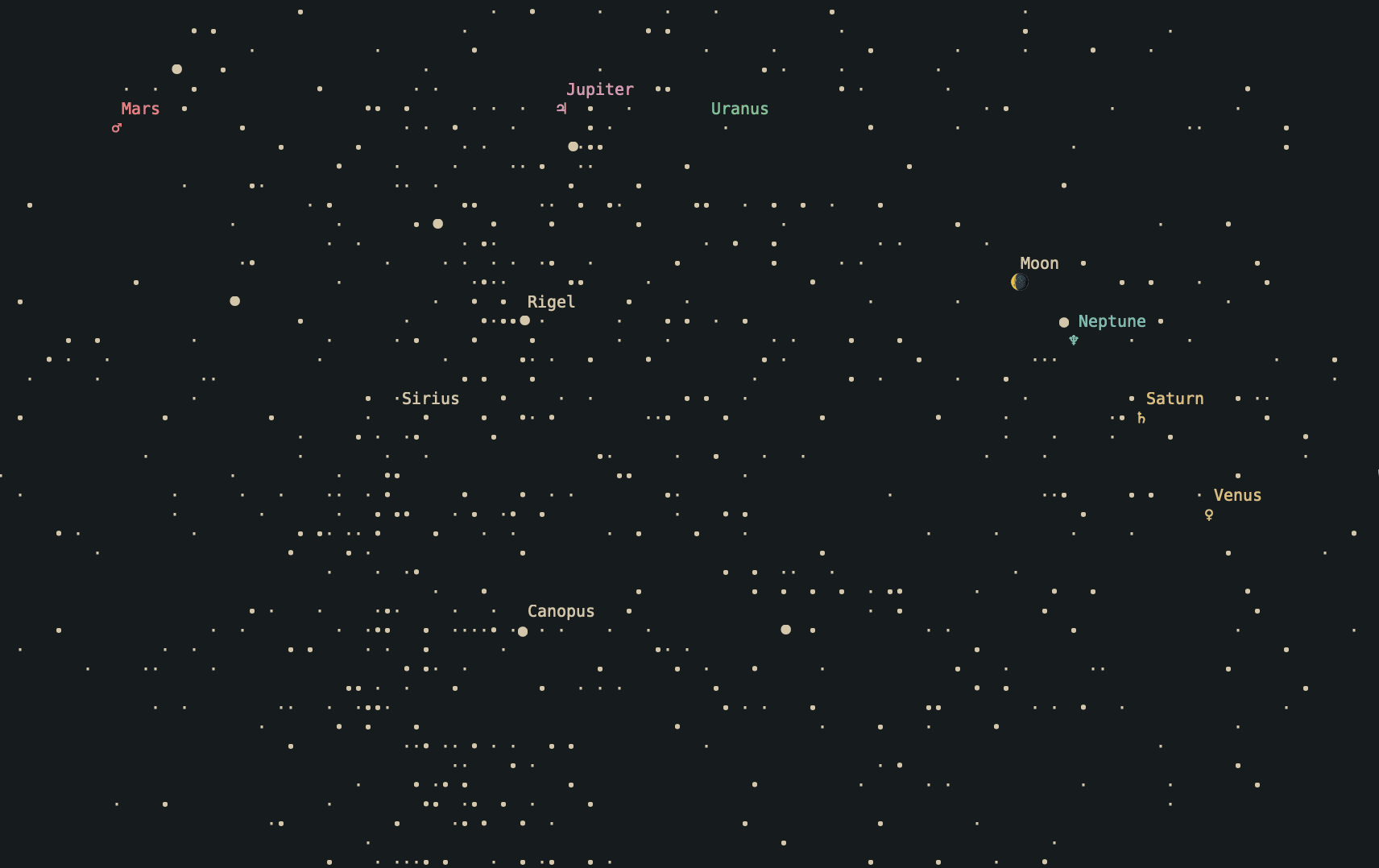
Astroterm is a C-based, terminal-centric application that renders real-time celestial maps and star positions using ASCII art. It offers users high customizability for exploring astronomical data across different timeframes and geographic coordinates.
Astroterm: Bridging CLI Efficiency and Astronomy
In the evolving landscape of terminal-based utilities, Astroterm emerges as a unique intersection between high-performance systems programming and amateur astronomy. By leveraging the C programming language, the tool provides a lightweight, efficient way to visualize the night sky without the overhead of heavy graphical user interfaces. This approach appeals to developers and Linux enthusiasts who prefer staying within the command-line interface (CLI) to access complex information.
Technical Architecture and ASCII Visualization
At its core, Astroterm functions as a terminal-based planetarium. By rendering stars, planets, and constellations through ASCII characters, it manages to bypass the need for intensive GPU rendering engines. This design choice highlights a growing trend in software development where developers prioritize modularity, speed, and cross-platform terminal compatibility. The use of C ensures that the application remains highly performant, even when calculating complex celestial mechanics in real-time.
Customization and Temporal Navigation
One of the most significant features of Astroterm is its ability to adjust the celestial view based on specific parameters. Users can input any combination of date, time, and location—such as the provided example of the night sky over Singapore—to generate an accurate map of the heavens. This temporal flexibility allows users to simulate past astronomical events or project future configurations, making it a functional tool for both educational exploration and precise observational planning.
Open Source Collaboration and Future Growth
As an open-source project, Astroterm thrives on community interaction. The project’s invitation for users to open issues and contribute via CONTRIBUTING.md suggests a roadmap centered on iterative improvement. In the open-source ecosystem, this collaborative model is vital for debugging cross-platform discrepancies and adding features like expanded star catalogs or deeper planetary data. By maintaining a transparent development process, the project fosters a community of users who are not just consumers, but active contributors to its evolution.
Broader Implications for Terminal Tools
The development of Astroterm signals a wider movement toward 'terminal-first' applications that replace traditional desktop software. As users become more accustomed to the speed and efficiency of CLI tools, specialized applications like Astroterm prove that complex data visualization does not always require graphical bloat. This shift encourages a more minimalist aesthetic in software design while maintaining the depth of functionality required for scientific or hobbyist applications.
Conclusion
Ultimately, Astroterm serves as a testament to the versatility of terminal-based environments. By transforming the terminal into a digital planetarium, the developers have created a tool that is both functional for astronomical enthusiasts and technically impressive for the programming community. As the project continues to evolve, it will likely remain a staple for users who demand precision, speed, and the ability to explore the universe from the comfort of their command prompt.