Upset Palmer Luckey is not leaving California over 'Billionaire tax'
Source Entity
TOI TECH DESK
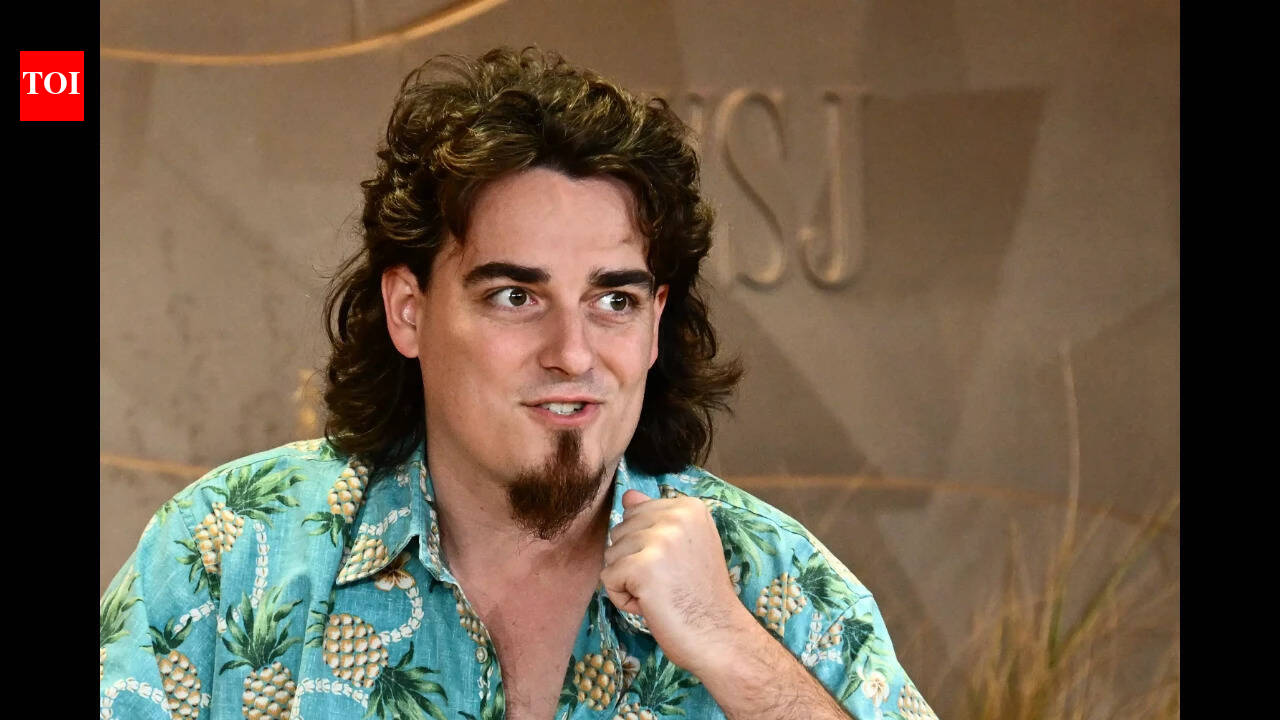
Palmer Luckey, founder of Anduril Industries, has confirmed he will remain in California despite his vocal opposition to the state's proposed billionaire wealth tax. He warns that the policy could damage the regional economy and unfairly target tech executives through the taxation of super-voting shares.
Palmer Luckey's Stance on California's Wealth Tax
A Commitment to California Amidst Policy Friction
Palmer Luckey, the high-profile founder of Oculus and current leader of the defense technology powerhouse Anduril Industries, has publicly addressed the ongoing debate surrounding California's proposed billionaire wealth tax. Despite the growing trend of high-net-worth individuals and corporate entities relocating to states with more favorable tax climates—such as Texas or Florida—Luckey has explicitly stated his intention to remain in California. His decision serves as a significant anchor for the state's technology sector, signaling that even vocal critics of local fiscal policy may choose to stay rather than exit the ecosystem.
The Economic Concerns of an Industry Leader
Luckey’s opposition to the wealth tax is rooted in a belief that the proposed legislation poses a structural threat to the state's economic vitality. By characterizing the ballot initiative as a potential catalyst for an exodus of talent and capital, Luckey highlights the delicate balance California must maintain to retain its status as a global innovation hub. He argues that the policy, should it be enacted, will likely create unintended consequences that could undermine the very tax base the state seeks to expand, ultimately driving away the high-value residents who contribute significantly to the local economy.
The Controversy of Super-Voting Shares
One of the most specific and contentious aspects of Luckey’s critique involves the proposed taxation of super-voting shares. These financial instruments are frequently utilized by founders to maintain control over their companies even after they go public. Luckey posits that taxing these shares unfairly targets tech executives, effectively penalizing them for maintaining leadership over the organizations they built. This focus on equity structure reveals a deeper concern among Silicon Valley leaders regarding how state policy might erode founder autonomy and influence.
Analyzing the Broader Tech Exodus Narrative
Luckey’s remarks, first reported by TechCrunch, underscore a broader tension in the American business landscape. While many companies have successfully decentralized their operations, Luckey’s insistence on staying suggests that the cultural and resource-dense advantages of California remain a powerful draw. However, his warning that the tax is "causing a lot of people to run" points to a genuine fragility in the current business climate. The debate serves as a microcosm of the larger national struggle between progressive tax initiatives and the competitive demands of the modern technology industry.
Future Implications for Regional Policy
Looking ahead, Luckey’s public dissent could influence the trajectory of legislative discourse in Sacramento. By choosing to stay and fight the policy from within rather than fleeing, he positions himself as a leading voice for fiscal moderate or conservative perspectives within the tech sector. His influence, combined with the potential loss of other high-net-worth residents, will likely force policymakers to weigh the immediate revenue goals of the wealth tax against the long-term risk of capital flight and the potential degradation of the state’s comparative advantage in defense and emerging technologies.
Conclusion
Ultimately, Palmer Luckey’s decision to remain in California is a testament to the complex relationship between business leaders and the regions they inhabit. While his opposition to the wealth tax is unequivocal, his commitment to staying highlights that the decision to relocate is rarely just about tax rates; it involves a complex calculation of infrastructure, talent access, and personal ecosystem. As the debate over the billionaire tax continues, Luckey’s stance will likely remain a key reference point for both proponents and critics of the legislation.