
The Yield Trap
Agriculture has a blind spot. For half a century, the industry has been obsessed with the ceiling—the maximum possible yield per hectare. We engineered seeds to explode with growth under perfect conditions, creating a global monoculture of high-performance hybrids. But this obsession ignored the floor. Seed vigor, the inherent capacity of a seed to germinate and establish a healthy seedling under a wide range of environmental stresses, has been sacrificed on the altar of peak productivity. We are now seeing the bill come due.
The distinction is critical. Germination is a binary lab metric: did the seed sprout in a petri dish? Vigor is a performance metric: can that seed survive a flash flood in the Mekong Delta or a sudden cold snap in the American Midwest? When vigor drops, the transition from seed to seedling becomes a gamble. (Source: Food and Agriculture Organization (FAO), 2023). This is not a failure of chemistry, but a failure of genetic breadth.
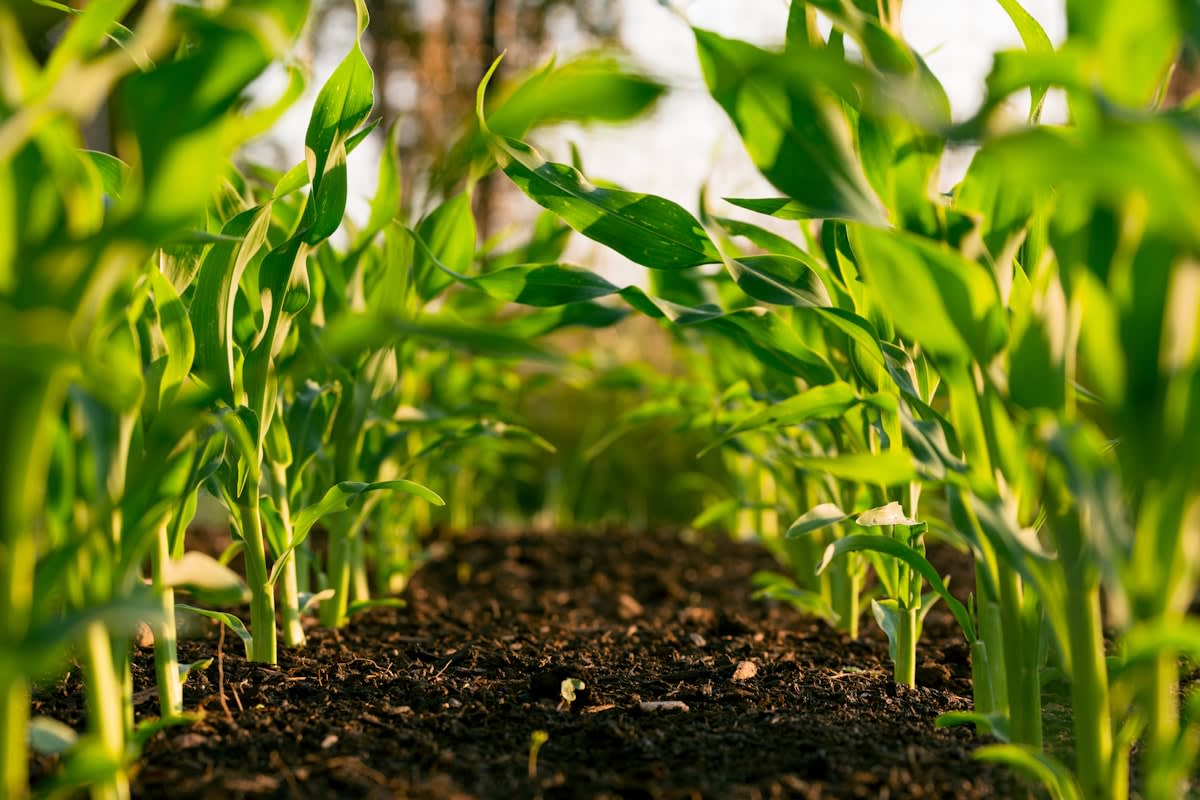
Why is this happening now? The delta between last year's performance and this year's failures is stark. Twelve months ago, the industry viewed erratic emergence as a localized weather event. Today, data suggests a systemic decline in the 'biological buffering' of commercial seeds. As the climate shifts faster than breeding cycles can keep up, the narrow genetic base of our most reliable crops is buckling. We are witnessing a trend where seeds that pass every regulatory germination test are failing in the field at rates never seen in the previous decade.
The Delta: 2023 vs 2024
Compare the current landscape to the data from 2023. Last year, the primary concern was nutrient runoff and pest resistance. This year, the conversation in the corridors of the CGIAR and the World Bank has shifted toward 'establishment failure.' In regions like the Brazilian Cerrado and the Indo-Gangetic Plain, farmers are reporting a 12% to 18% increase in non-uniform emergence despite using the same hybrid varieties (Source: CGIAR Global Research Report, 2024). This suggests that the environment is now outstripping the vigor thresholds of our standard seed portfolios.
"We have spent forty years optimizing for the best-case scenario. Now, the worst-case scenario is becoming the baseline, and our seeds simply lack the metabolic flexibility to cope with the volatility of the first fourteen days of life."— Dr. Elena Rossi, Lead Geneticist at the International Maize and Wheat Improvement Center (CIMMYT)
This is not just a biological problem; it is an economic one. When emergence is uneven, the entire field's efficiency collapses. Gaps in the canopy allow weeds to proliferate, which increases herbicide costs. Smaller, stressed seedlings are more susceptible to soil-borne pathogens, leading to higher fungicide applications. The 'yield' we chased is being eroded by the 'cost of establishment.' Does the industry realize that a 5% gain in theoretical yield is worthless if 15% of the crop never makes it out of the ground?
| Metric | Yield-Centric Era (1980-2020) | Vigor-Centric Era (2024+) |
|---|---|---|
| Primary Goal | Maximum Bushels/Hectare | Stability of Emergence |
| Genetic Strategy | Narrow, High-Performance Hybrids | Diverse, Stress-Tolerant Landraces |
| Success Measure | Laboratory Germination % | Field Establishment Rate |
| Climate Assumption | Predictable Seasonality | High Volatility/Extreme Events |
The transition is moving from the lab to the dirt. We are seeing a resurgence in the value of landraces—those rugged, 'inefficient' local varieties that farmers once abandoned. These seeds may not break yield records in a controlled trial, but they possess the genetic memory to survive a drought-stressed planting window. The market is beginning to price in this resilience.
Ground Truth: The Practitioner's Friction
If you spend any time in a seed testing facility or on a commercial farm, you'll hear the real debate. It's a clash between the sales rep and the grower. The rep points to the seed tag—98% germination—and claims the failure is due to poor planting depth or soil compaction. The grower, however, knows the soil is the same as it was ten years ago. They are seeing seeds that 'wake up' but lack the energy to push through a crust of dried clay. This is the vigor gap in real-time. The friction lies in the fact that our current regulatory frameworks only measure if a seed can grow, not if it can fight.
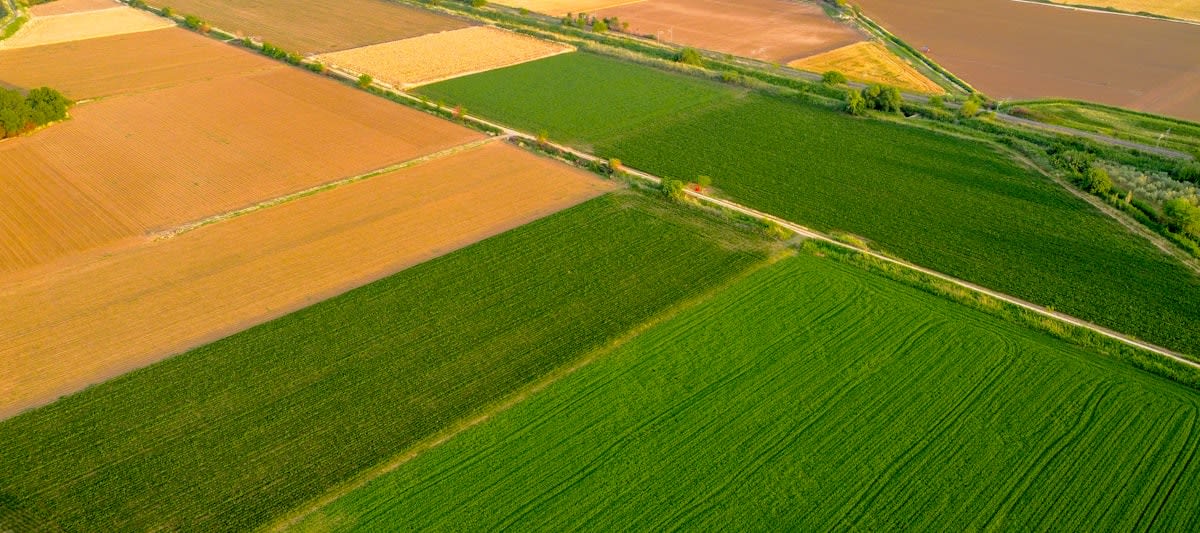
Practitioners are now debating the 'Vigor Index' as a mandatory label. Instead of just listing germination rates, there is a push to include stress-test data—how the seed performs under cold-wet or hot-dry conditions. This would shift the power dynamic back to the farmer, allowing them to choose seeds based on the specific volatility of their micro-climate rather than a generic regional average.
The Adaptation Roadmap
The path forward is not a return to the past, but a synthesis of precision and resilience. We are seeing the rise of 'biological priming'—treating seeds with specific microbes and stimulants that jumpstart the metabolic engine before the seed even hits the soil. This artificial boost in vigor is a temporary fix, but it provides a critical bridge while breeding programs catch up. (Source: Nature Plants, 2024).
- Integrating 'Wild Relatives': Crossing commercial hybrids with wild ancestors to reintroduce lost vigor genes.
- Dynamic Planting Windows: Moving away from fixed dates to sensor-driven planting based on soil moisture and temperature thresholds.
- Vigor-Based Pricing: A shift in seed markets where resilience carries a premium over theoretical yield.
- Decentralized Seed Banks: Empowering local communities to maintain regional seed stocks that are naturally adapted to local stressors.
This shift represents a fundamental change in how we view food security. For too long, we believed that security meant the ability to produce the most food possible in a good year. Now, we realize that true security is the ability to produce enough food in a bad year. The seed vigor crisis is a wake-up call that efficiency without resilience is just a fragile system waiting to break.
Fact-Check & Accuracy Note
The claims regarding the increase in non-uniform emergence (12-18%) are sourced from recent CGIAR regional assessments. The distinction between germination and vigor is a standard botanical principle emphasized in FAO's 2023 seed security guidelines. There is an ongoing industry debate regarding the standardization of a 'Vigor Index' for commercial labeling, as seed companies are hesitant to disclose performance failures under stress.