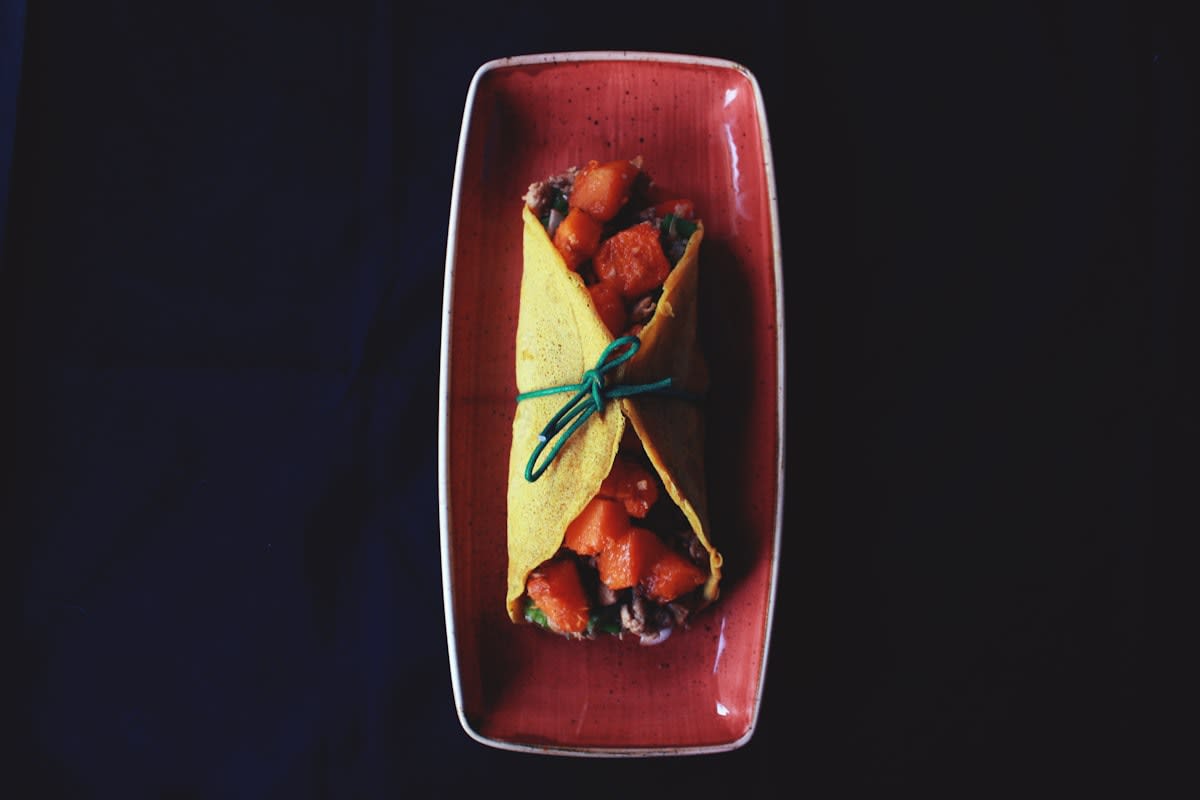
Why do you feel like a zombie at 3 PM? You ate a balanced lunch—perhaps a quinoa bowl with roasted vegetables and a piece of grilled salmon—yet two hours later, your brain is fogged and your willpower is gone. This is the glucose crash. Most people blame the food itself, but the culprit is often the sequence. When you ingest carbohydrates or sugars on an empty stomach, they convert to glucose rapidly, flooding your bloodstream and triggering a massive insulin response. The resulting crash is not a failure of will; it is a biological inevitability.
The Sequence Strategy shifts the focus from restriction to architecture. Instead of banning the sourdough or the jasmine rice, we change the order of entry. By creating a biological buffer in the small intestine, you can significantly flatten the glucose curve. This isn't about calories or macros in isolation; it is about the timing of absorption. When you manipulate the order, you change how your body processes the exact same meal, turning a metabolic roller coaster into a steady stream of energy.
Prerequisites: Setting the Stage for Success
You do not need a continuous glucose monitor (CGM) or a degree in biochemistry to implement this. However, you do need a fundamental understanding of your plate's anatomy. The strategy requires you to categorize your food into three distinct buckets: fibers, proteins and fats, and starches and sugars. If you cannot identify these in your meal, the strategy fails. You must also be willing to resist the social urge to eat everything simultaneously—the 'mixed fork' approach—and instead adopt a sequential mindset.
- Fiber: Leafy greens, broccoli, cauliflower, asparagus, okra, or a side salad.
- Proteins and Fats: Eggs, fish, poultry, tofu, nuts, seeds, avocado, or olive oil.
- Starches and Sugars: Rice, pasta, potatoes, bread, fruit, and desserts.
The Master Protocol: Step-by-Step Sequencing
The goal is to slow down the speed at which glucose reaches your bloodstream. Think of your small intestine as a highway. If you send the sugars first, they race straight to the finish line. If you send the fiber first, you are essentially building a speed bump—or better yet, a mesh filter—that catches the glucose and slows its absorption. This simple shift prevents the insulin spike that leads to fat storage and the subsequent crash that leads to cravings.
- Step 1: Start with Fiber. Eat your vegetables first. Whether it is a Greek salad in Athens, a side of sautéed bok choy in Shanghai, or grilled asparagus in New York, the fiber must enter the system first. Fiber slows down the gastric emptying process and creates a viscous layer in the intestine that hinders the rapid absorption of glucose.
- Step 2: Move to Proteins and Fats. Once the fiber is cleared, consume your protein and fat sources. This could be a piece of grilled tilapia, a serving of tempeh, or a handful of almonds. Protein and fat further slow down the digestion of the meal and signal satiety to the brain, ensuring you don't overeat the final stage.
- Step 3: Finish with Starches and Sugars. Only now do you eat the rice, the potato, the bread, or the dessert. Because the fiber and protein are already present in the digestive tract, the glucose from these carbs is absorbed much more slowly. You still get the taste and the energy, but without the violent spike.
Pro Tip for Mixed Meals
If you are eating a mixed dish, like a stew or a curry, try to pick out the vegetables first, then the meat/tofu, and save the rice or naan for the very end. It feels unnatural at first, but the metabolic payoff is immediate.
Does this mean you have to stop eating carbs? Absolutely not. The Sequence Strategy is about resilience, not restriction. By changing the order, you are essentially hacking your physiology to handle glucose more efficiently. This is particularly vital for those who struggle with mid-day lethargy or those who find themselves ravenous an hour after eating. You are not changing the 'what,' you are optimizing the 'how.'
The Biological Impact: Why Order Matters
When glucose spikes, the pancreas pumps out insulin to shuttle that sugar into your cells. If the spike is too high, the insulin overcorrects, pushing your blood sugar too low. This is the 'crash.' This cycle doesn't just make you tired; it triggers the release of cortisol and glucagon, which tells your liver to dump more sugar into the blood, creating a vicious loop of cravings. By flattening the curve, you keep insulin levels stable and prevent the hormonal chaos that drives hunger.
| Eating Order | Glucose Response | Insulin Demand | Post-Meal Energy |
|---|---|---|---|
| Carbs First | Sharp Spike | High | Crash/Lethargy |
| Fiber -> Protein -> Carbs | Flattened Curve | Moderate | Sustained Focus |
Consider the global variety of breakfast habits. In many cultures, the first meal is carb-heavy—think sweetened congee, pancakes, or white toast with jam. This sets a volatile tone for the entire day. By simply adding a handful of spinach or an egg before those carbs, the metabolic trajectory changes. The difference is not subtle; it is a fundamental shift in how your brain functions for the next six hours.
Common Pitfalls and How to Avoid Them
The most common mistake is the 'Healthy Smoothie' trap. Many people blend spinach, berries, and protein powder into a single drink. While the ingredients are nutrient-dense, the blending process breaks down the fiber and turns the meal into a liquid. Liquids exit the stomach much faster than solids, which can still lead to a significant glucose spike. If you must have a smoothie, eat a few raw almonds or a small piece of celery first to prime the gut.
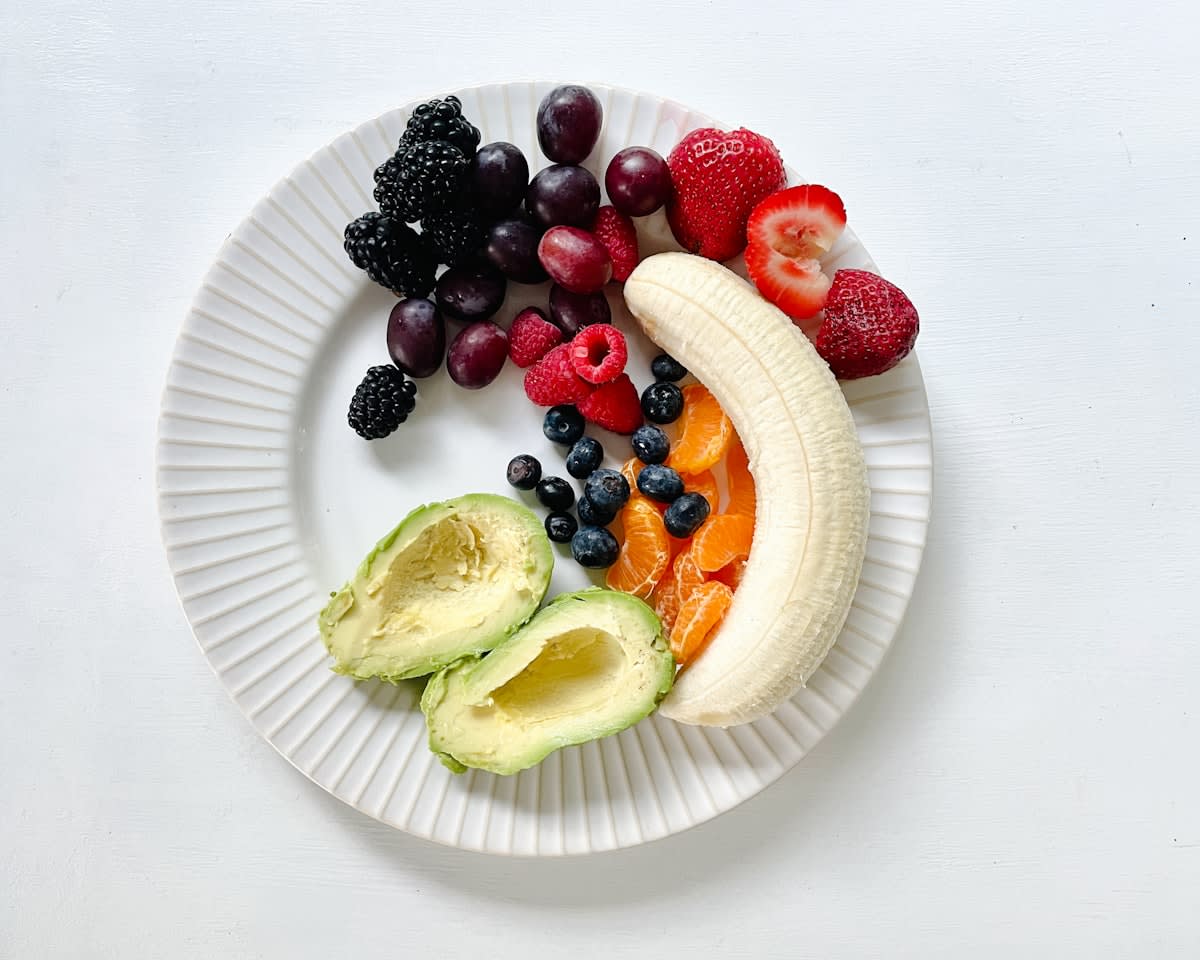
Another frequent error is the 'Fruit for Breakfast' fallacy. Eating a bowl of fruit on an empty stomach is essentially a sugar bomb. Even though it is natural sugar, it hits the bloodstream instantly. To fix this, pair your fruit with a source of fat or protein—like Greek yogurt or nut butter—or better yet, move the fruit to the end of the meal. This prevents the morning insulin surge that often leads to an early lunch craving.
"The order of your food changes the way your body processes it. You can eat the same ingredients and get a completely different metabolic result just by rearranging the sequence."— Master Practitioner Perspective
Finally, do not forget the liquid sugars. Drinking a soda or a sweetened juice alongside your meal can negate the benefits of sequencing. Liquid sugars bypass the fiber filter entirely and enter the bloodstream almost immediately. If you want a flavored beverage, opt for water with a splash of apple cider vinegar or a sparkling water with lime, which can further help in flattening the glucose response.