
The Precision Pivot
For decades, the global conversation around nutrition focused on a simple, reductive equation: calories in versus calories out. We obsessed over the 'what'—the macros, the vitamins, the forbidden sugars. But as of August 2026, a fundamental shift is occurring. The focus has migrated toward metabolic orchestration. It is no longer just about the ingredients on the plate, but the precise sequence in which they enter the system to optimize energy and hormonal response.
This isn't a gradual evolution; it is a disruption triggered by the explosion of GLP-1 medications. These drugs don't just suppress appetite; they rewrite the body's relationship with time and satiety. When the window for eating shrinks, the priority shifts. The urgency is now on nutrient density and the strategic timing of intake to prevent muscle loss and maintain metabolic stability. We are seeing a move toward 'support foods' designed to fit into these new, tighter windows.
The New Paradigm
The industry is moving from a volume-based model to a precision-based model. The goal is no longer satiety, but metabolic efficiency.
Contrast this with the landscape of early 2025. Twelve months ago, the narrative was centered on the weight-loss efficacy of GLP-1s. Today, the conversation has shifted to the 'aftercare' of the metabolism. The 'Delta' is clear: we have moved from celebrating the drop on the scale to managing the biological fallout of rapid weight loss. The market is now racing to provide the tools for this management.
The GLP-1 Beverage Boom
Beverage innovation is currently outpacing the law. According to recent findings from Leatherhead Food Research, manufacturers are aggressively developing a new category of support beverages. These aren't your standard smoothies. We are seeing the rise of drinkable fiber- and protein-enriched yoghurts, high-density meal replacement shakes, and specialized beverages loaded with electrolytes. The goal? To ensure that the few times a user eats or drinks, the nutrient payload is maximized.
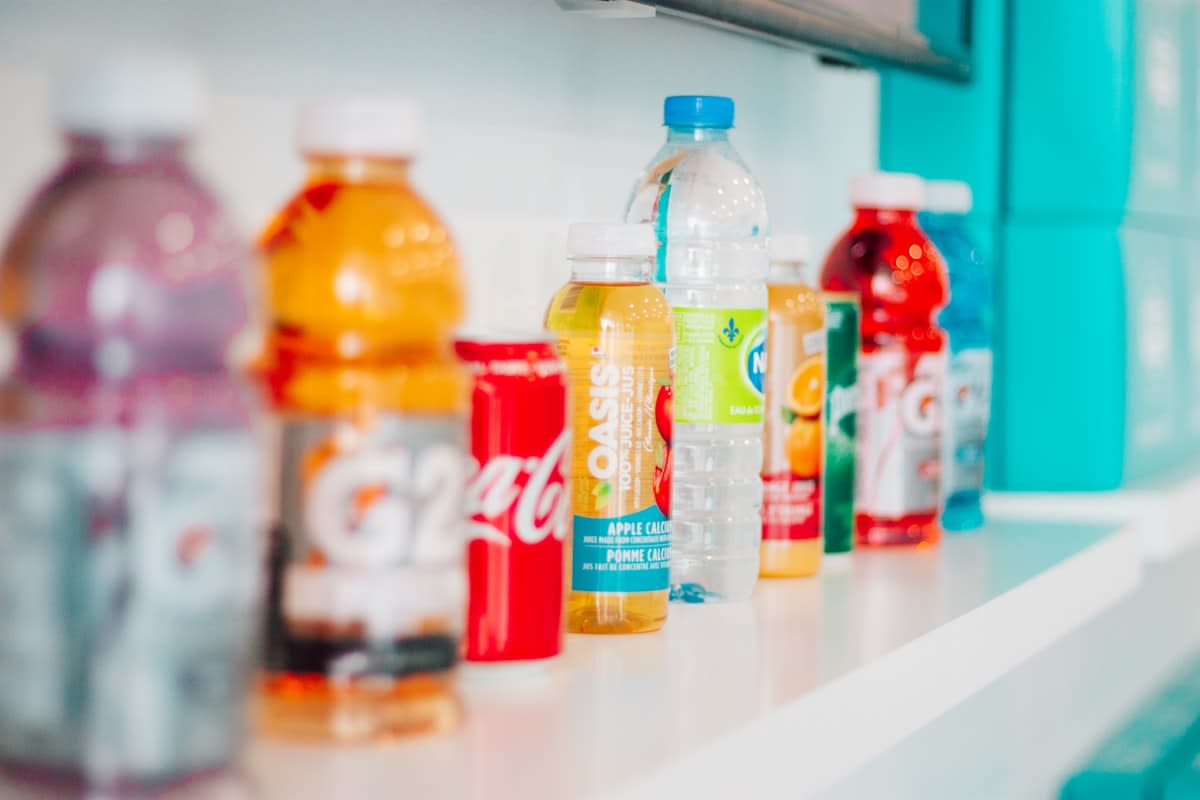
This shift creates a massive headache for regulators. In major economic blocs like the EU and ASEAN, the framework for these 'support foods' is virtually non-existent. Regulators have yet to define the boundaries for these products or clarify how existing nutrition and health claims apply. Manufacturers are essentially operating in a grey zone, innovating faster than the bureaucrats can write the rules.
Why does this matter? Because the sequence of delivery changes the biological outcome. A protein-enriched yoghurt consumed at a specific metabolic window can prevent the lean muscle wasting often associated with GLP-1 use. By focusing on the 'when,' these products attempt to stabilize the user's energy levels throughout the day, rather than relying on a single, large meal that the body can no longer process efficiently.
The global reach of this trend is evident. From the high-tech labs of Europe to the emerging markets in Southeast Asia, the demand for high-density, low-volume nutrition is spiking. It is a resilience strategy for the body, allowing it to adapt to a new pharmacological reality.
Digital Orchestration: The App Economy
If beverages are the hardware of this shift, apps are the software. In the US and Europe, a new generation of weight manager apps has emerged. These platforms have moved beyond simple calorie logging. They now focus on sustainable energy and metabolic balance, helping users track not just what they eat, but the habits that support their metabolic health.
One of the most interesting developments is the integration of cultural dietary traditions into this precision model. Indian diet plan apps are now targeting English-speaking adults in the US and Europe, blending traditional Indian flavors with modern metabolic tracking. These apps deliver daily meals rooted in tradition but optimized for the specific energy needs of a body undergoing metabolic transition.
| Feature | Traditional Dieting (Pre-2025) | Metabolic Sequencing (2026) |
|---|---|---|
| Primary Metric | Total Calories | Metabolic Balance |
| Focus | Food Restriction | Nutrient Timing |
| Tooling | Calorie Counters | Sustainable Energy Trackers |
| Goal | Weight Loss | Metabolic Resilience |
This digital layer allows for a level of personalization previously reserved for elite athletes. By tracking metabolic balance, users can identify the exact moment their energy dips and intervene with a high-density support beverage. It is the application of 'just-in-time' logistics to human biology.
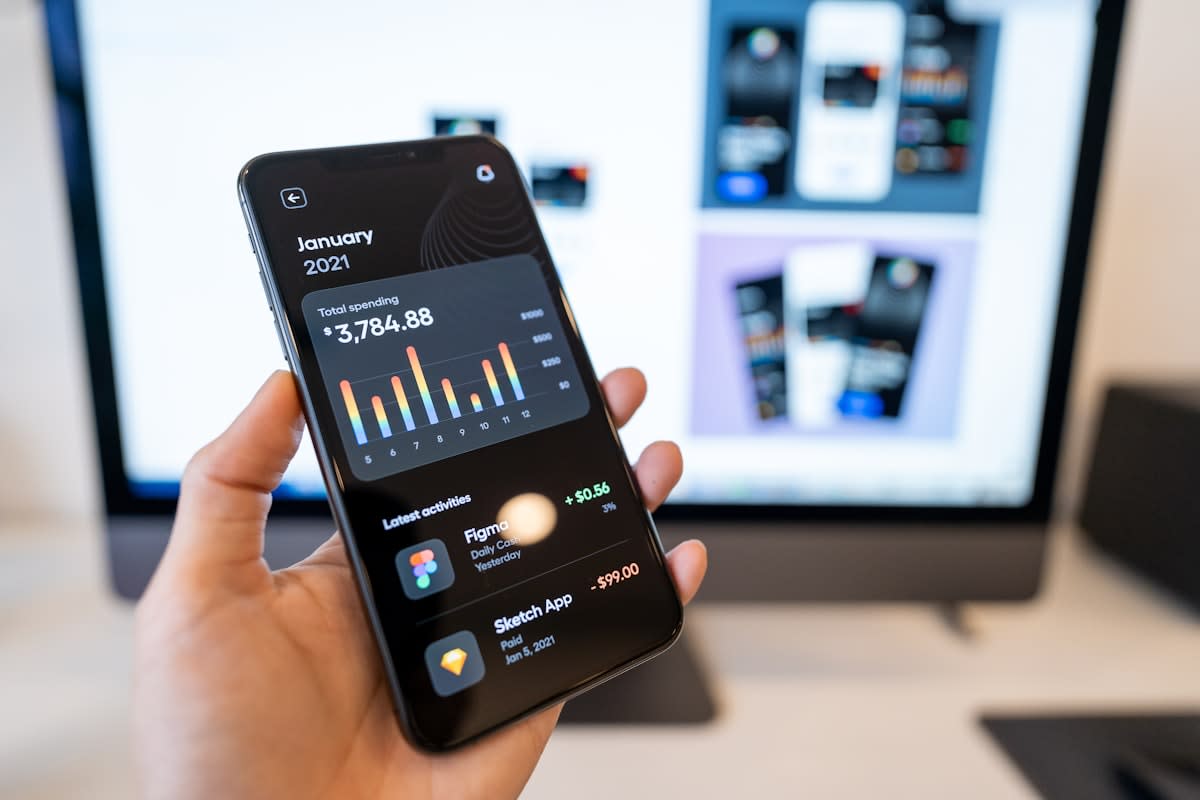
The convergence of these technologies—GLP-1s, functional beverages, and metabolic apps—is creating a new ecosystem of health. We are seeing the death of the 'one-size-fits-all' diet. In its place is a dynamic, sequenced approach to eating that adapts in real-time to the user's hormonal state.
"Beverage innovation in the GLP-1 space is moving faster than regulations, meaning drinks companies could be facing significant complexity."— Leatherhead Food Research
The risk, however, is the regulatory vacuum. Without clear guidelines in the EU and ASEAN, consumers are relying on manufacturer claims. The industry's ability to self-regulate will determine whether this trend leads to a genuine health revolution or a series of marketing mishaps.
Ultimately, the sequencing shift represents a broader move toward biological resilience. By prioritizing the timing and density of nutrients, we are learning to work with our pharmacology rather than against it. The question is no longer 'Can I eat this?' but 'Is this the right moment for my metabolism to receive this?'
- Shift from caloric restriction to metabolic balance.
- Rapid growth of 'support beverages' (protein/fiber/electrolytes).
- Regulatory lag in EU and ASEAN markets regarding functional foods.
- Rise of personalized, culturally-integrated metabolic apps in US and Europe.
- Transition from weight loss as a goal to sustainable energy as a goal.