
Agricultural strategy is currently obsessed with the macro. In Guyana, the government is pouring billions of dollars into a nationwide drainage and irrigation expansion, constructing high-level canals to shunt water directly into the Atlantic Ocean. The logic is intuitive: control the water, control the crop. But this focus on external plumbing ignores a fundamental systemic vulnerability. When the climate becomes erratic, the most critical point of failure isn't the canal; it is the seed's ability to germinate and survive the first fourteen days of stress. Why are we building highways for water while the vehicles—the seeds—are fundamentally unequipped for the journey?
The gap between potential and reality in crop yields is often a matter of early-stage protection. In the American Midwest, the efficacy of this approach is already quantified. Data from Beck's field agronomists indicates that Escalate treated seed provides a 2.8-bushel-per-acre advantage over untreated seed in double-crop soybean production. To a casual observer, three bushels may seem marginal. To a strategic analyst, this represents a critical delta in risk mitigation. This advantage isn't just about final volume; it is about a quick start that allows the plant to establish a root system before environmental stressors take hold.
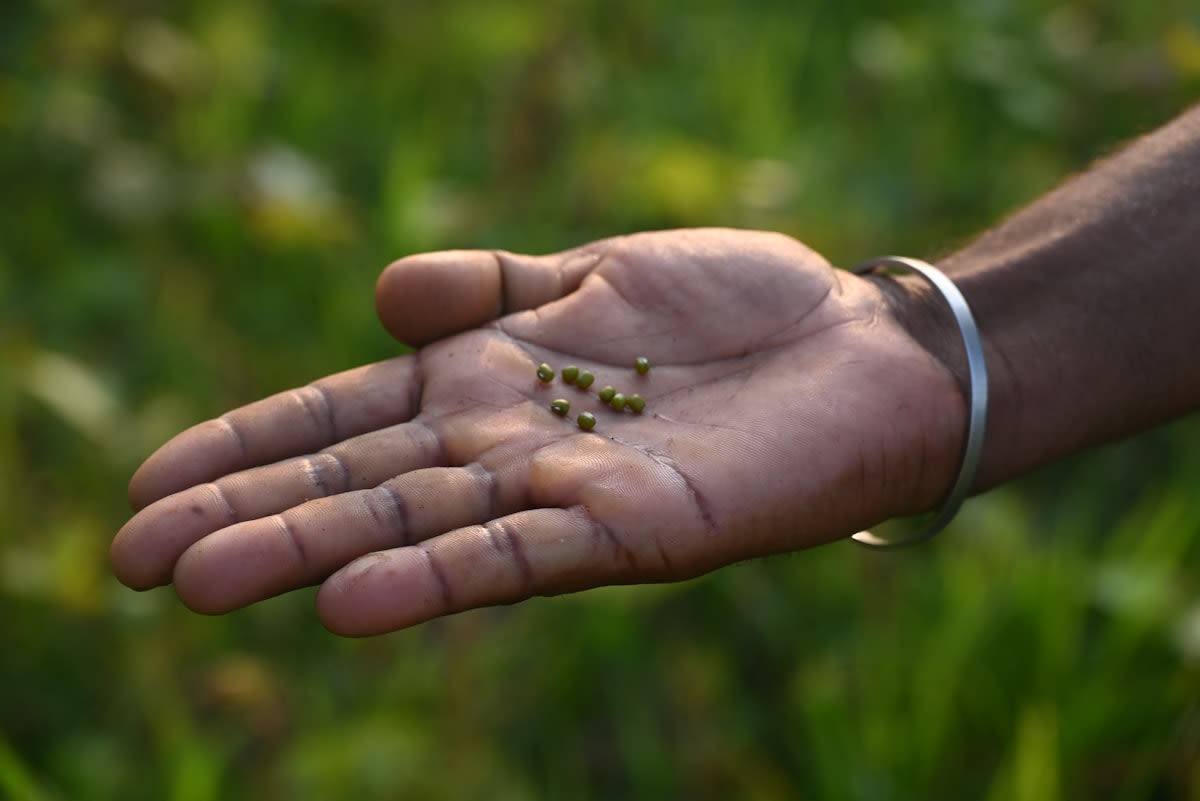
The Bio-Adjuvant Engine
If treated seeds are the vehicle, bio-adjuvants are the fuel. The global crop protection industry is currently undergoing a transformation, moving toward biobased formulations and precision applications. According to reports from Agrolatam, these bio-adjuvants are emerging as strategic tools to improve application efficiency while slashing environmental impact. This is not a mere preference for green chemistry. It is a response to rising production costs and stricter environmental regulations that make traditional, heavy-handed chemical applications economically unsustainable.
Why does this matter for regions facing chronic crop failure? Because bio-adjuvants allow for the precise delivery of biological crop protection products. When these are integrated into a seed priming regimen, the plant is essentially pre-programmed for resilience. Instead of spraying an entire field with chemicals in hopes that some reach the target, the protection is embedded into the seed's own biology. This shifts the agricultural model from one of external intervention to one of internal capability.
The Infrastructure Fallacy
The obsession with macro-infrastructure (canals and dams) creates a false sense of security. True resilience is found in the biological optimization of the seed, ensuring that every single grain has the maximum possible chance of survival regardless of external water management.
The failure to scale these technologies is often a mirror of the failures seen in other African sectors. A systematic review in Nature regarding non-communicable diseases (NCDs) in Africa revealed that while machine learning outperforms traditional methods in risk stratification, 76% of these data science techniques remain in the exploratory research phase with minimal impact on the population. Agriculture is suffering from the same lag. We have the data—we know treated seeds work and bio-adjuvants reduce costs—yet the application remains fragmented and exploratory rather than systemic.
| Metric | Untreated Seed Baseline | Treated Seed (Escalate Model) | Systemic Impact |
|---|---|---|---|
| Yield Advantage | 0 bushels/acre | +2.8 bushels/acre | Increased food security |
| Environmental Load | High (Spray-heavy) | Low (Bio-adjuvants) | Reduced soil toxicity |
| Risk Profile | Reactive | Proactive | Climate resilience |
| Establishment Speed | Variable | Accelerated | Reduced early-stage loss |
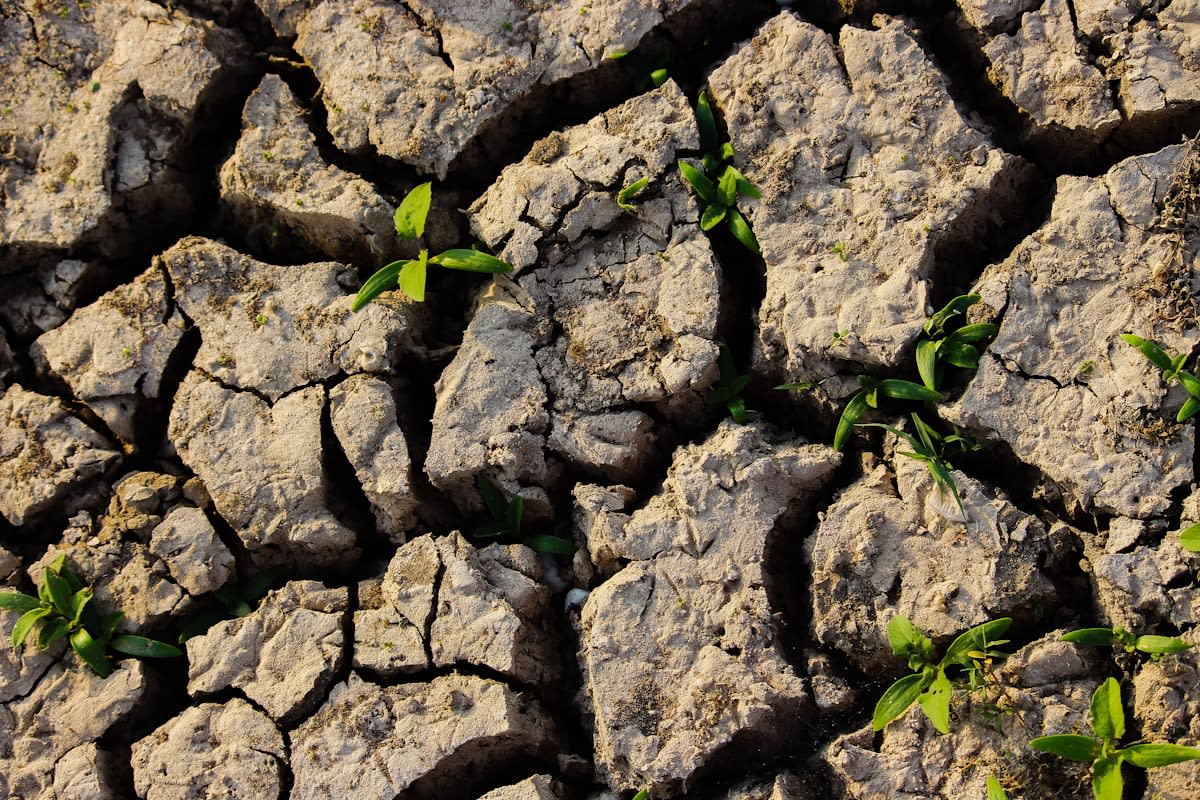
Consider the atmospheric volatility currently threatening the Southern Hemisphere. The South African Weather Service has already warned of a heightened risk of an El Niño event developing later in 2026. For a sector already recovering from drought-induced contractions in 2024, this is a precarious position. In such an environment, the 2.8-bushel advantage seen in the US soybean data isn't just a bonus; it is the difference between a harvest and a total loss. When water is scarce, the efficiency of the seed's start determines the survival of the entire crop.
Is it logical to rely on the hope that rain falls at the exact right moment? Or is it more logical to ensure that the seed can maximize every single drop of moisture it encounters? By integrating bio-adjuvants into the priming process, farmers create a biological buffer. This allows the plant to withstand the initial shocks of an El Niño cycle, reducing the reliance on the massive, expensive drainage and irrigation projects that governments prefer to fund because they are more visible to voters.
The economic argument is equally compelling. As production costs rise, the efficiency of inputs becomes the primary driver of profitability. Bio-adjuvants reduce the volume of product needed while increasing the effectiveness of what is applied. This is a critical lever for inclusive growth. When small-scale farmers can access treated seeds that guarantee a faster start and higher yield, the risk of debt-cycles caused by crop failure drops significantly.
We must stop viewing seed treatment as a luxury of industrial farming and start viewing it as a requirement for survival. The transition to biobased formulations is already accelerating across global agriculture. Those who cling to the old model of untreated seeds and heavy chemical spraying are essentially betting against the climate. The math does not support that bet.
Ultimately, the secret weapon against crop failure is not a bigger canal or a more complex irrigation system. It is the intelligent application of biotechnology at the point of origin. By shifting the strategic center of gravity from the field's perimeter to the seed's core, we can build a food system that doesn't just survive the next El Niño, but thrives despite it.