Mumbai food groups feel the industry required the nudge to improve on hygiene
Source Entity
Latest News: Today's Latest News Headlines from India & World | Hindustan Times | Hindustan Times
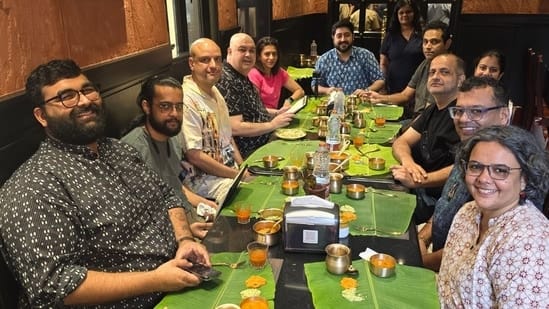
The Maharashtra FDA's intensified hygiene inspections in Mumbai restaurants have prompted food industry groups to admit that stricter regulatory oversight is necessary to elevate food safety standards across the city.
Regulatory Wake-Up Call: Analyzing Mumbai's Food Hygiene Crackdown
In a significant move to safeguard public health, the Maharashtra Food and Drug Administration (FDA) has intensified its inspection regime across Mumbai's vast culinary landscape. This crackdown has revealed systemic hygiene lapses in numerous establishments, ranging from small-scale eateries to larger restaurants. Interestingly, rather than pushing back against these stringent measures, various food industry groups have acknowledged that the sector required a 'nudge' to prioritize hygiene. This admission suggests a period of complacency within the industry, where the rapid growth of the dining sector may have outpaced the implementation of rigorous safety protocols.
The Necessity of the Regulatory 'Nudge'
For years, the food industry in Mumbai has operated in a high-pressure environment characterized by immense demand and thin margins. In such a climate, maintenance and hygiene often take a backseat to operational speed and cost-cutting. The FDA's strict checks serve as a critical intervention, transforming hygiene from a voluntary 'best practice' into a mandatory requirement for business continuity. By imposing strict penalties and publicizing lapses, the FDA is effectively shifting the industry's cost-benefit analysis, making the cost of non-compliance higher than the cost of implementing proper sanitation standards.
Broader Implications for Urban Food Safety
Mumbai's unique geography and climate—marked by high humidity and dense population—create a breeding ground for foodborne illnesses if hygiene is neglected. The FDA's focus on restaurants highlights a broader concern regarding the entire food supply chain, from sourcing raw materials to final plating. When industry groups admit the need for a nudge, they are acknowledging that self-regulation has failed. This event underscores the vital role of government oversight in urban centers where the scale of the food industry makes individual monitoring by consumers nearly impossible.
Historical Context and the Evolution of Compliance
Historically, food safety inspections in India were often seen as periodic formalities rather than continuous quality assurance mechanisms. However, the evolution of the Food Safety and Standards Act (FSSAI) has provided a more robust framework for agencies like the Maharashtra FDA to operate. The current trend of 'strict checks' reflects a global shift toward preventative rather than reactive health inspections. By identifying hygiene issues before they lead to large-scale food poisoning outbreaks, the FDA is moving Mumbai toward a more sophisticated, proactive model of public health management.
Predicting Future Industry Trends
Moving forward, this regulatory pressure is likely to catalyze several trends within Mumbai's food sector. First, there will likely be an increase in the adoption of professional hygiene auditing services, as restaurants seek to ensure compliance before official FDA visits. Second, we can expect a surge in investment in kitchen infrastructure, such as better ventilation, stainless steel surfaces, and advanced waste management systems. Finally, there may be a push for a transparent, public-facing hygiene rating system—similar to those used in London or New York—which would allow consumers to make informed choices based on official FDA data.
Conclusion
The current friction between the Maharashtra FDA and Mumbai's restaurants is a necessary growing pain for the city's hospitality industry. While the 'nudge' may be uncomfortable for business owners in the short term, it is an essential step in building a sustainable and safe dining ecosystem. The alignment between regulatory bodies and industry groups indicates a shared understanding that high hygiene standards are not just a legal requirement, but a fundamental pillar of business longevity and consumer trust.
Verification Required?