At least 1 suffocates to death, several injured in Puri Rath Yatra crowd rush
Source Entity
Sujit Bisoyi
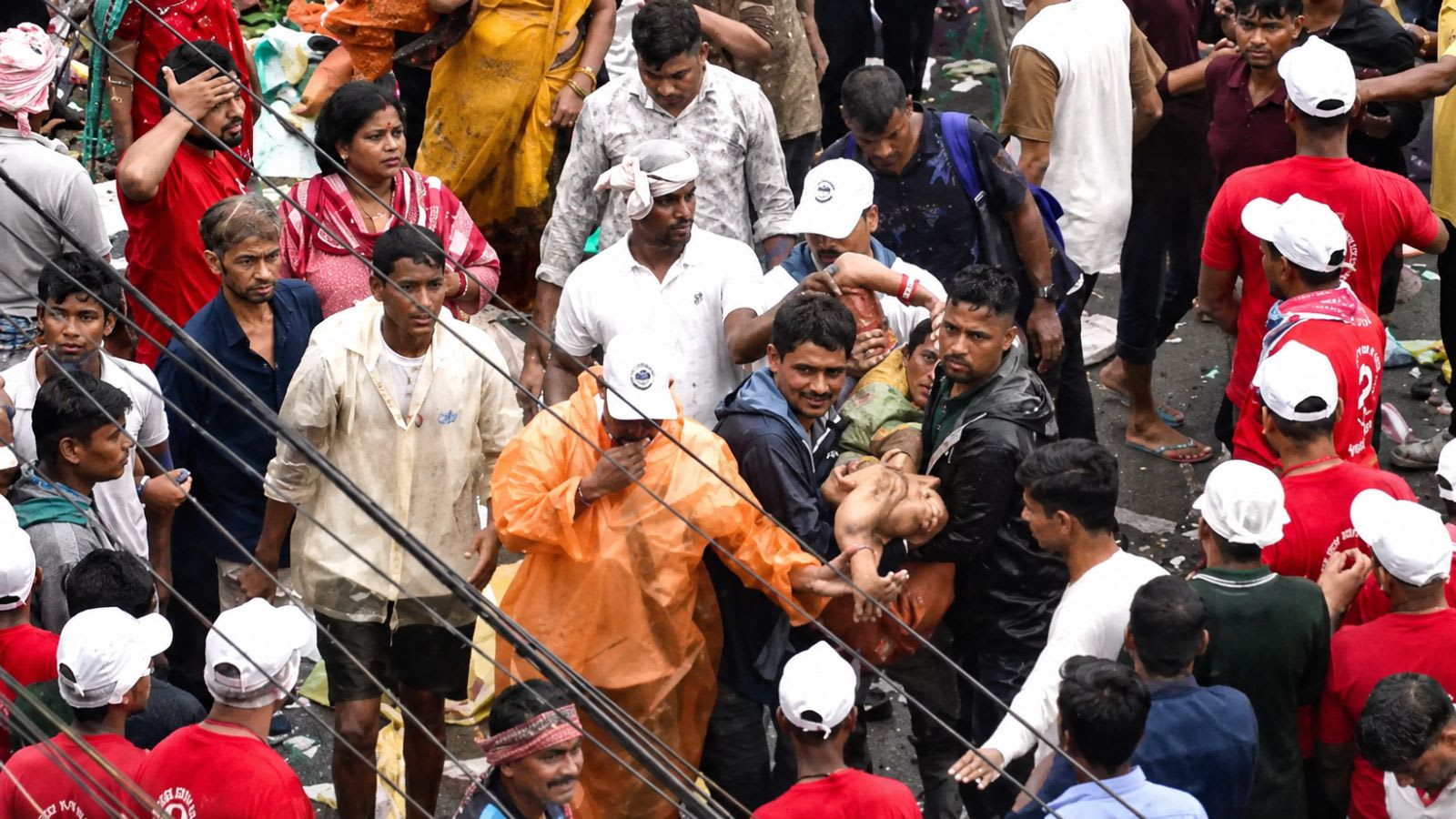
A crowd rush during the Jagannath Rath Yatra in Puri resulted in at least one death due to suffocation and several injuries, underscoring the persistent challenges of managing massive religious gatherings.
Tragedy Amidst Devotion: Analyzing the Puri Rath Yatra Crowd Rush
The Jagannath Rath Yatra in Puri, one of the world's largest and most significant religious congregations, was recently marred by a tragic incident where at least one individual suffocated to death and several others sustained injuries during a crowd rush. This event highlights the volatile intersection of intense religious fervor and the physical limitations of crowd management in high-density urban environments. The incident occurred as thousands of devotees converged to witness the deities' procession, leading to a localized surge in crowd pressure that proved fatal for one attendee.
The Dynamics of Crowd Suffocation
From a safety analysis perspective, the reported death by suffocation is a classic symptom of "crowd crush" rather than a traditional stampede. In a crowd crush, the density of people becomes so high that individuals are pressed together, restricting the ability of the chest to expand and breathe. The fact that several others were injured suggests a wave-like movement within the crowd, where a push in one area creates a ripple effect, trapping those in the center. This specific incident underscores the extreme vulnerability of participants when the flow of movement is obstructed or when the volume of people exceeds the capacity of the designated corridors.
Historical Context and Scale of the Event
To understand the gravity of this event, one must consider the scale of the Puri Rath Yatra. Every year, millions of pilgrims from across India and the globe descend upon the coastal town of Puri. The sheer volume of people creates a logistical nightmare for the Odisha government and the temple administration. Historically, the Rath Yatra has always been a high-risk event due to the narrow streets of the temple town and the emotional intensity of the devotees who strive to touch the chariots or get a glimpse of Lord Jagannath. This pattern of overcrowding has led to similar scares and injuries in previous years, making this latest tragedy a recurring reminder of the inherent risks.
Administrative and Logistical Challenges
Managing a crowd of this magnitude requires a sophisticated blend of physical barriers, police deployment, and real-time monitoring. While the administration typically deploys thousands of security personnel, the organic nature of religious crowds—where devotees may break barricades out of spiritual passion—often renders static defenses ineffective. The occurrence of this suffocation incident suggests a failure in "pressure relief" mechanisms, where the crowd was not dispersed quickly enough to prevent lethal density levels. The challenge lies in balancing the accessibility of the deity for the public with the strict safety protocols required to prevent asphyxiation.
Broader Implications for Religious Tourism
This incident serves as a critical case study for the broader management of religious tourism in India. As pilgrimage sites continue to attract larger numbers of people, the reliance on manual policing is becoming insufficient. There is an urgent need for the integration of technology, such as AI-driven crowd heat maps and drone monitoring, to identify "choke points" in real-time before they become lethal. The Puri incident demonstrates that even with existing protocols, the margin for error is razor-thin, and a single point of congestion can lead to a fatal outcome.
Predicting Future Safety Trends
Looking forward, it is likely that the Odisha government will be forced to implement more stringent "slot-based" entry systems or more robust physical diversions to prevent the concentration of people in a single area. We can expect a shift toward more digitized crowd control, where devotees are guided via mobile alerts to less crowded zones of the procession. However, the cultural significance of the Yatra means that total restriction is impossible; therefore, the focus will likely shift toward improving emergency medical response times within the crowd, as seen by the urgent efforts to carry the injured out of the surge.
Conclusion
While the Jagannath Rath Yatra remains a beacon of faith and cultural heritage, the recent fatality and injuries are a somber reminder of the physical dangers associated with mass gatherings. The death by suffocation is not merely an accident but a symptom of the systemic struggle to manage millions of people in a confined space. To ensure that future celebrations are safe, a transition from reactive policing to proactive, tech-enabled crowd science is essential to protect the lives of the devotees.