Restaurants on each floor, fading hardware stores: How Delhi’s Hauz Khas market changed in 2 years
Source Entity
Reva Thakkar, Mishal Mussaddique
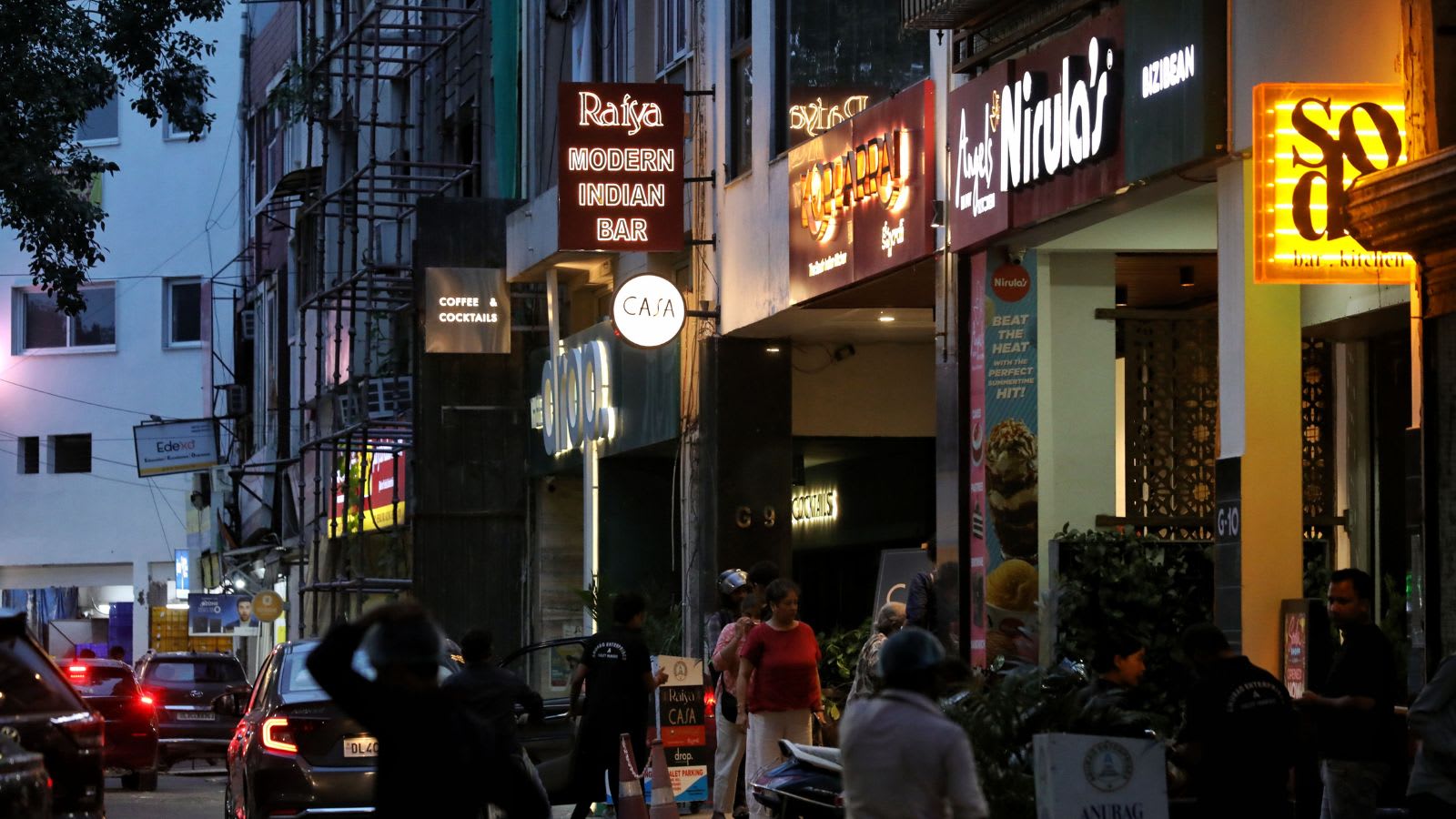
Delhi's G Block in Hauz Khas, once a historic hub for hardware and sanitary ware since the 1950s, is undergoing a rapid transformation into a culinary destination as restaurants replace traditional stores.
The Urban Metamorphosis of Hauz Khas G Block
For decades, the G Block of Hauz Khas, tucked away behind Aurobindo Road, served as a cornerstone of Delhi's industrial and construction supply chain. Established as early as the 1950s, this niche market was the primary destination for residents and contractors seeking hardware, paint, steel, and sanitary ware. However, the last two years have witnessed a dramatic shift in the area's commercial identity. The utilitarian landscape of steel pipes and paint cans is rapidly being replaced by the aromatic and aesthetic appeal of high-end restaurants and cafes, signaling a profound change in the socio-economic fabric of the neighborhood.
The Legacy of a Trade Hub
Historically, G Block functioned as a specialized trade cluster. Such clusters are common in Delhi, where specific goods are concentrated in one area to create a one-stop-shop experience for buyers. Since the 1950s, these hardware stores provided essential materials for the growing city's infrastructure. The longevity of these businesses created a generational trust and a stable economic ecosystem. For over half a century, the market's value was derived from its utility and the deep expertise of the traders who understood the technical nuances of building materials.
The Rise of the Experience Economy
The sudden pivot toward food and beverage (F&B) establishments is not an isolated event but a symptom of the broader 'experience economy.' As consumer preferences shift from buying products to seeking experiences, the demand for themed cafes and gourmet restaurants has surged. Hauz Khas, already famous for the artistic and bohemian vibe of the nearby Hauz Khas Village, has naturally extended its gravitational pull toward G Block. The influx of a younger, affluent demographic—drawn by social media trends and the desire for 'Instagrammable' dining spaces—has made the area more lucrative for restaurateurs than for hardware merchants.
Economic Pressures and Real Estate Dynamics
From a business perspective, the transition is driven by the disparity in profit margins and rental yields. Hardware stores typically operate on thinner margins and require significant storage space, which is a liability in a high-demand urban center. Conversely, restaurants can generate higher revenue per square foot and can utilize vertical space more effectively, often expanding across multiple floors. As property values in South Delhi climb, landlords are increasingly incentivized to lease their spaces to F&B operators who can afford higher rents, effectively pricing out the legacy hardware stores that once defined the block.
The Cost of Gentrification
While the transformation brings new vibrancy and economic activity, it comes at the cost of urban diversity. The fading of the hardware stores represents a loss of specialized commercial heritage. When a trade cluster dissolves, it disrupts the supply chain for local craftsmen and contractors who relied on the proximity and variety of G Block. This process of gentrification replaces functional, blue-collar commerce with lifestyle-oriented consumption, turning a practical marketplace into a leisure zone. The result is a homogenized urban landscape where unique trade hubs are replaced by generic luxury dining.
Future Trends in Delhi's Commercial Spaces
Looking forward, the evolution of G Block is likely a blueprint for other aging commercial hubs in Delhi. We can expect a continued trend where traditional 'mandis' or trade clusters are absorbed by the service and hospitality sectors. As the city continues to modernize, the tension between preserving historical trade identities and embracing modern commercial viability will intensify. The transition of G Block suggests that the future of urban retail in Delhi will be dominated by 'destination' hubs—places where people go not because they need a specific tool, but because they seek a specific atmosphere.
Summary
The transformation of Hauz Khas G Block from a 1950s hardware sanctuary to a modern dining hub reflects a larger shift in Delhi's urban economy. Driven by rising real estate costs and a cultural pivot toward experiential consumption, the area is trading its industrial utility for culinary appeal. While this brings modernization and new revenue streams, it marks the end of an era for the specialized trade clusters that helped build the city.