T.N. Forest Department to consider permitting visitors to Chadivayal elephant camp in Coimbatore district
Source Entity
India Latest News: Top National Headlines Today & Breaking News | The Hindu
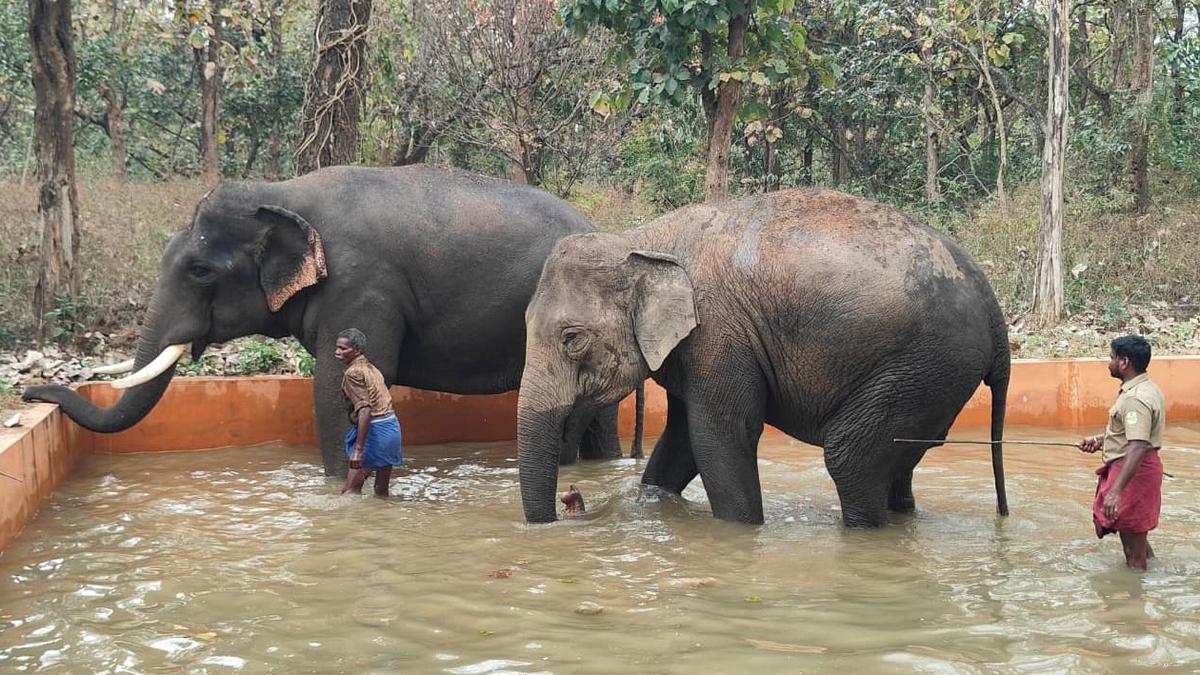
The Tamil Nadu Forest Department is considering opening the Chadivayal elephant camp in Coimbatore to the public, allowing visitors to watch elephant feeding, following the successful models of Theppakadu and Kozhikamuthi camps.
Expanding Wildlife Access: The Proposed Opening of Chadivayal Elephant Camp
The Tamil Nadu Forest Department has announced a strategic consideration to open the Chadivayal elephant camp, located in the Coimbatore district, to public visitors. The primary objective of this initiative is to allow the general public to witness the feeding of elephants, a practice that has already been successfully implemented in other prominent camps within the state. This move signals a shift toward increasing public engagement with wildlife conservation and providing educational opportunities for citizens to observe the care and management of these majestic animals in a controlled environment.
Benchmarking Success: The Theppakadu and Kozhikamuthi Models
To ensure the success of the Chadivayal initiative, the Forest Department is looking toward established precedents: the Theppakadu elephant camp in the Mudumalai Tiger Reserve and the Kozhikamuthi elephant camp in the Anamalai Tiger Reserve. These sites have long served as blueprints for balancing animal welfare with eco-tourism. By replicating the 'feeding witness' model, the department aims to standardize the visitor experience across different reserves. Theppakadu, in particular, is renowned for its historical significance and its role in elephant conservation, proving that regulated human interaction can foster a deeper appreciation for wildlife without compromising the animals' well-being.
Regional Significance and Conservation in Coimbatore
Coimbatore is a critical region for elephant conservation due to its proximity to the Western Ghats and the frequent intersections between human settlements and elephant corridors. By opening the Chadivayal camp, the Forest Department is not merely creating a tourist attraction but is potentially creating a hub for community awareness. When locals and tourists witness the efforts required to maintain and care for captive elephants—many of whom are rescued from conflict zones or injuries—it fosters a culture of empathy and coexistence. This is crucial in a district where human-elephant conflict is a recurring challenge, as it humanizes the conservation effort and highlights the complexities of wildlife management.
The Educational Value of Controlled Interaction
Allowing visitors to observe feeding routines provides a unique pedagogical tool. Unlike traditional zoos, elephant camps often focus on the rehabilitation and management of animals that serve specific roles in forest administration (such as assisting in rescue operations or patrolling). By observing these interactions, visitors gain insight into the dietary needs, social hierarchies, and behavioral patterns of elephants. This transparency in animal husbandry can debunk myths and educate the public on the rigorous standards of care provided by the state, thereby strengthening public trust in the Forest Department's conservation strategies.
Navigating Potential Challenges and Future Trends
While the proposal is promising, the transition to a visitor-friendly camp requires meticulous planning. The department must address potential challenges such as crowd management, noise pollution, and the psychological stress that increased human presence may place on the elephants. Future trends in wildlife tourism suggest a move toward 'low-impact, high-value' experiences. It is expected that the Chadivayal camp will implement strict quotas on visitor numbers and specific time slots for feeding observations to maintain a tranquil environment for the animals. If successful, this could lead to a broader network of managed wildlife interaction points across Tamil Nadu, integrating tourism with active conservation.
Conclusion
The proposed opening of the Chadivayal elephant camp represents a thoughtful expansion of Tamil Nadu's eco-tourism framework. By leveraging the success of the Theppakadu and Kozhikamuthi camps, the Forest Department is poised to enhance public awareness and support for elephant conservation in the Coimbatore district. As long as the implementation remains centered on the welfare of the animals, this initiative will likely serve as a bridge between the state's conservation goals and the public's desire to connect with nature.
Verification Required?