The landfill is no longer a destination; it is a mine. For decades, the global food industry operated on a linear 'take-make-waste' model, treating the remnants of production as an expensive nuisance to be hauled away. That era ended. We are witnessing a radical pivot where the industry is not just reducing waste but actively mining it for high-value molecules. This is the Upcycle Revolution, and it is moving faster than the regulators can keep up with.
Why now? The intersection of volatile commodity prices and a sophisticated consumer base has created a perfect storm. Twelve months ago, 'upcycled' was a niche marketing term used by boutique brands to signal sustainability. Today, it is a strategic imperative for multinational conglomerates. The delta is clear: we have moved from a narrative of guilt-driven waste reduction to one of opportunity-driven value creation. The goal is no longer to do less harm, but to extract maximum utility from every single calorie produced.
The Shift from Waste to Feedstock
Consider the brewery industry. For centuries, spent grain—the protein- and fiber-rich husks left after mashing—was fed to livestock or dumped. Now, biorefineries in Europe and North America are processing this 'waste' into premium protein flours for human consumption. They aren't selling it as a cheap alternative. They are positioning it as a nutrient-dense, sustainable superfood. This reclassification from 'waste' to 'feedstock' changes the entire accounting logic of the factory floor.
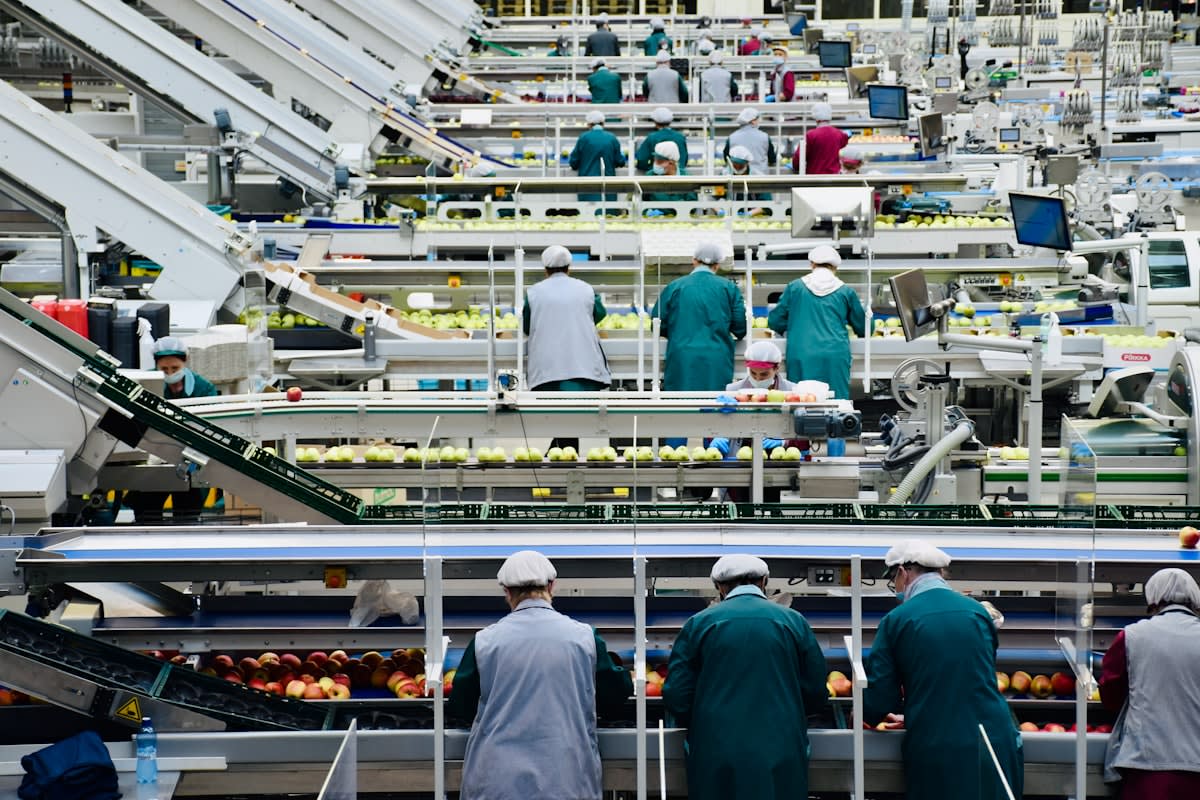
Is this merely a trend in the West? Far from it. In Southeast Asia, the focus has shifted toward insect-based protein conversion. Black Soldier Fly larvae are being deployed on an industrial scale to consume organic food waste, which is then processed into high-protein meal for aquaculture and animal feed. This closed-loop system removes the need for soy-based feeds—which often drive deforestation—while creating a premium protein source from what was previously considered trash.
The Value Logic
The 'Premiumization' of waste occurs when the end product competes on nutritional density and flavor, not just on its sustainable origin. The consumer doesn't buy it because it was waste; they buy it because it's a superior protein.
This transition is fueled by a significant jump in biotechnology. We are seeing the deployment of precision fermentation and enzymatic hydrolysis to break down complex waste structures into bioavailable peptides. This allows companies to extract specific protein fractions that were previously unreachable. The result is a suite of ingredients that are functionally identical, or even superior, to virgin proteins.
The Economic Delta: 2023 vs. 2024
A year ago, the primary driver for upcycling was Corporate Social Responsibility (CSR). Companies wanted a 'green' win for their annual reports. Fast forward to today, and the driver is margin expansion. By converting a waste stream—which costs money to remove—into a premium ingredient—which generates revenue—companies are seeing a double-sided financial victory. This isn't philanthropy; it's aggressive resource optimization.
| Metric | Traditional Model (2023) | Upcycle Model (2024) |
|---|---|---|
| Waste Handling | Cost Center (Expense) | Profit Center (Revenue) |
| Ingredient Sourcing | Virgin Commodity Markets | Internal Side-Stream Capture |
| Consumer Perception | Sustainability 'Bonus' | Performance-Driven Choice |
| Supply Chain | Linear/Fragile | Circular/Resilient |
The data supports this shift. Market valuations for certified upcycled ingredients have surged, with a reported 30% increase in adoption across mainstream CPG (Consumer Packaged Goods) portfolios in the last twelve months. We are seeing a migration of capital away from 'lab-grown' proteins, which struggle with scale, and toward 'upcycled' proteins, which utilize existing, massive waste streams.
"We are moving past the era of 'alternative proteins' into the era of 'optimized proteins.' The most efficient protein is the one we already produced but forgot to use."— Lead Strategist, Circular Food Systems
This shift reduces reliance on volatile global soy and corn markets. When a company can source its protein from its own production waste, it creates a hedge against geopolitical instability and climate-driven crop failures. Resilience is the new currency in the global food supply chain.
Regional Innovations in Circular Protein
In Latin America, the focus has turned to the valorization of fruit pomace. The remnants of juice and jam production, once discarded, are being processed into high-protein, high-fiber powders. These aren't just fillers; they are being integrated into premium sports nutrition products, proving that the 'waste' from a pineapple or mango can outperform synthetic additives.
Meanwhile, in East Asia, the integration of fungal mycelium to convert agricultural stalks and husks into meat-like proteins is scaling. This process doesn't just recycle carbon; it creates a texture and flavor profile that appeals to a massive flexitarian market. The efficiency is staggering: mycelium can convert waste to protein in a fraction of the time it takes to raise livestock.
- Spent Grain Valorization: Turning brewery waste into nutrient-dense flours.
- Insect Bioconversion: Using BSF larvae to turn organic waste into aquaculture feed.
- Mycelium Synthesis: Converting crop residues into high-texture meat alternatives.
- Pomace Extraction: Transforming fruit remnants into premium dietary fibers and proteins.
The common thread across these regions is the rejection of the 'waste' label. Whether it is a brewery in Belgium, a fruit processor in Brazil, or a farm in Vietnam, the logic is the same: every side-stream is an untapped asset. The technology has finally caught up to the ambition.
Overcoming the 'Yuck' Factor
The biggest hurdle isn't technical; it's psychological. How do you convince a consumer to pay a premium for something that was almost thrown away? The industry's answer has been a masterclass in rebranding. They aren't selling 'waste-protein'; they are selling 'circular nutrients' and 'upcycled ingredients.' The focus is on the process of refinement, not the origin of the material.
Transparency is the tool for trust. By utilizing blockchain-based tracking, companies can show the exact journey from a side-stream to a finished product. This transparency transforms a potential liability into a storytelling asset. When a consumer can see that their protein bar saved 5kg of grain from a landfill, the value proposition shifts from the product to the impact.
Projected Growth of Upcycled Protein Market Share
Executive Insight
+18.4%
YTD Growth
We are seeing a convergence of regulatory pressure and market demand. In the EU, stricter laws on organic waste disposal are making it more expensive to throw things away than to process them. This regulatory push is accelerating the adoption of upcycling technologies, turning a legal necessity into a competitive advantage.
The revolution is here, and it is invisible. You likely already eat upcycled proteins without knowing it. As these ingredients become standardized, the distinction between 'upcycled' and 'traditional' will vanish. We will simply have 'protein,' and the most efficient way to produce it will be to rescue it from the waste stream.