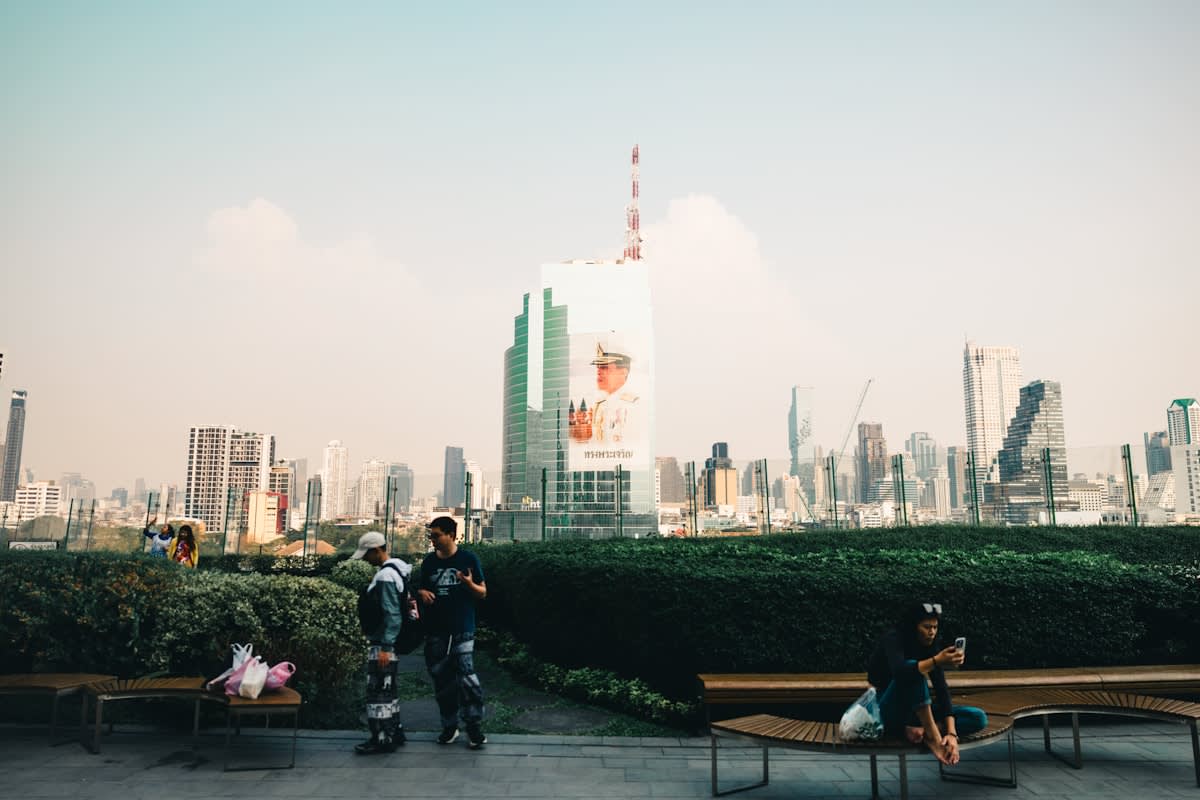
The initial wave of vertical farming in Southeast Asia was largely a vanity project for venture capitalists. These early ventures focused almost exclusively on microgreens and luxury lettuce—products that served a niche high-end market but contributed nothing to actual caloric security. This monoculture approach ignored the basic laws of thermodynamics and economics, creating energy-hungry warehouses that burned through cash while offering minimal nutritional density. The result was a fragile system that looked futuristic in a brochure but failed the stress test of real-world urban logistics.
True resilience only emerges when these systems diversify. By integrating aquaculture and insect farming, operators can turn organic waste into fertilizer, slashing operational expenses and expanding the nutritional profile of their output. We are seeing a transition where the goal is no longer just 'growing greens' but optimizing a closed-loop resource cycle. This structural realignment allows cities to produce protein and carbohydrates alongside vitamins, moving the needle from boutique gardening to genuine food production.
The Logistics of Proximity
Singapore represents the extreme end of this necessity. With virtually no traditional arable land, the city-state is forced to treat food production as a national security priority. The reliance on imports from over 170 countries creates a vulnerability that cannot be solved by importing more efficiently. Instead, the strategy has moved toward maximizing every square meter of vertical and rooftop space. The objective is not merely to supplement the diet but to create a redundant supply chain that can withstand global shipping disruptions.
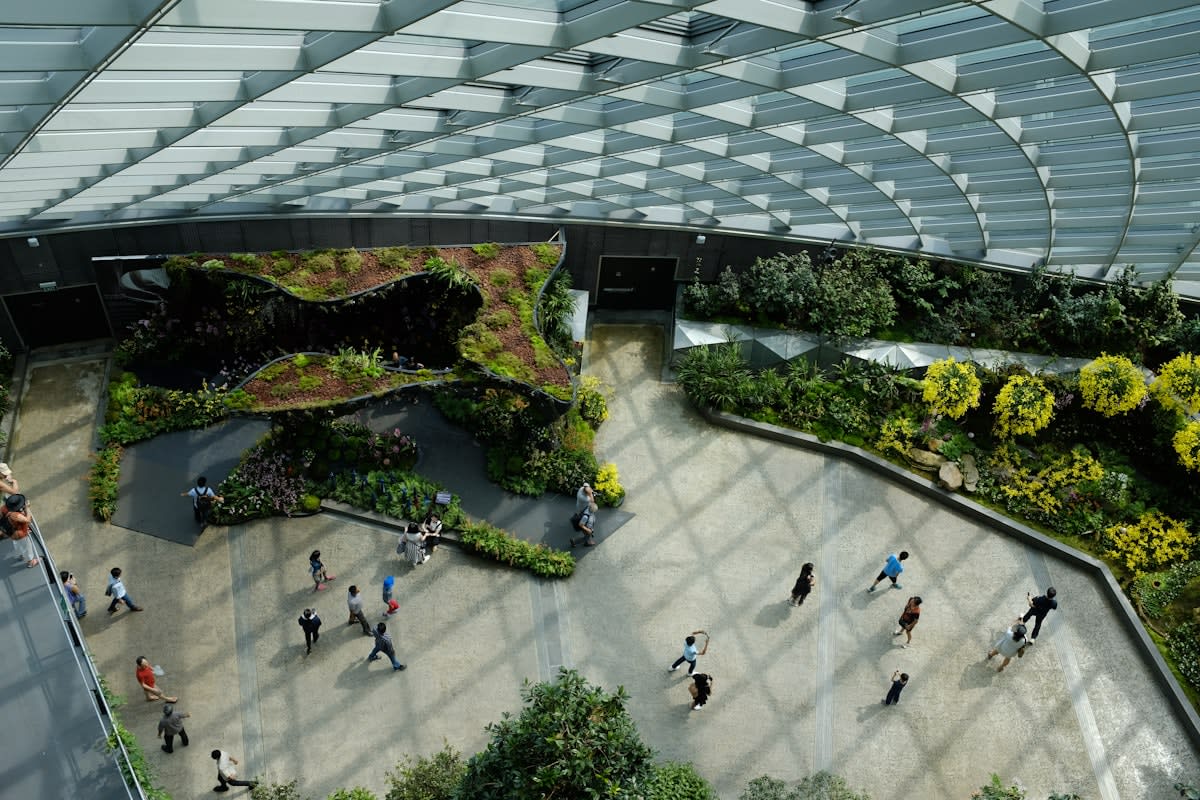
In Bangkok, the approach differs by integrating farming into the existing architectural fabric of the city. Rather than building isolated towers, urban farmers are utilizing rooftops and abandoned industrial lots to create decentralized food hubs. This method reduces the 'last mile' delivery cost, which often accounts for a significant portion of the final retail price of fresh produce. When the farm is five floors above the restaurant, the supply chain is reduced from hundreds of kilometers to a few meters of elevator travel.
| Metric | Traditional Rural Ag | Monoculture Vertical Farm | Diversified Urban System |
|---|---|---|---|
| Water Consumption | High (Irrigation) | Low (Recycled) | Ultra-Low (Aquaponic Loop) |
| Land Efficiency | Low | Very High | High (Multi-layered) |
| Crop Diversity | Medium | Very Low | High (Fish/Insects/Greens) |
| Supply Chain Lag | Days/Weeks | Hours | Minutes |
| Resource Input | External Fertilizers | Synthetic Nutrients | Internal Bio-waste |
The integration of aquaculture is the catalyst for this efficiency. In a diversified urban system, fish waste provides the nitrogen-rich nutrients required for hydroponic plants, while the plants filter the water for the fish. This symbiotic relationship eliminates the need for expensive, synthetic nutrient solutions that plague monoculture vertical farms. It transforms the farm from a consumer of chemicals into a biological processor.
"The goal is not to mimic the countryside in the city, but to build a biological machine that treats waste as a raw material."— Urban Ag Strategic Lead
Adding insect protein to the mix closes the loop entirely. Black soldier fly larvae can process organic urban waste—food scraps from the very restaurants the farm supplies—and convert it into high-protein feed for the fish. This creates a circular economy within a single city block. Why pay for imported soy-based fish feed when you can grow your own protein from the city's trash? This is the economic logic that makes diversified farming a winner in the food war.
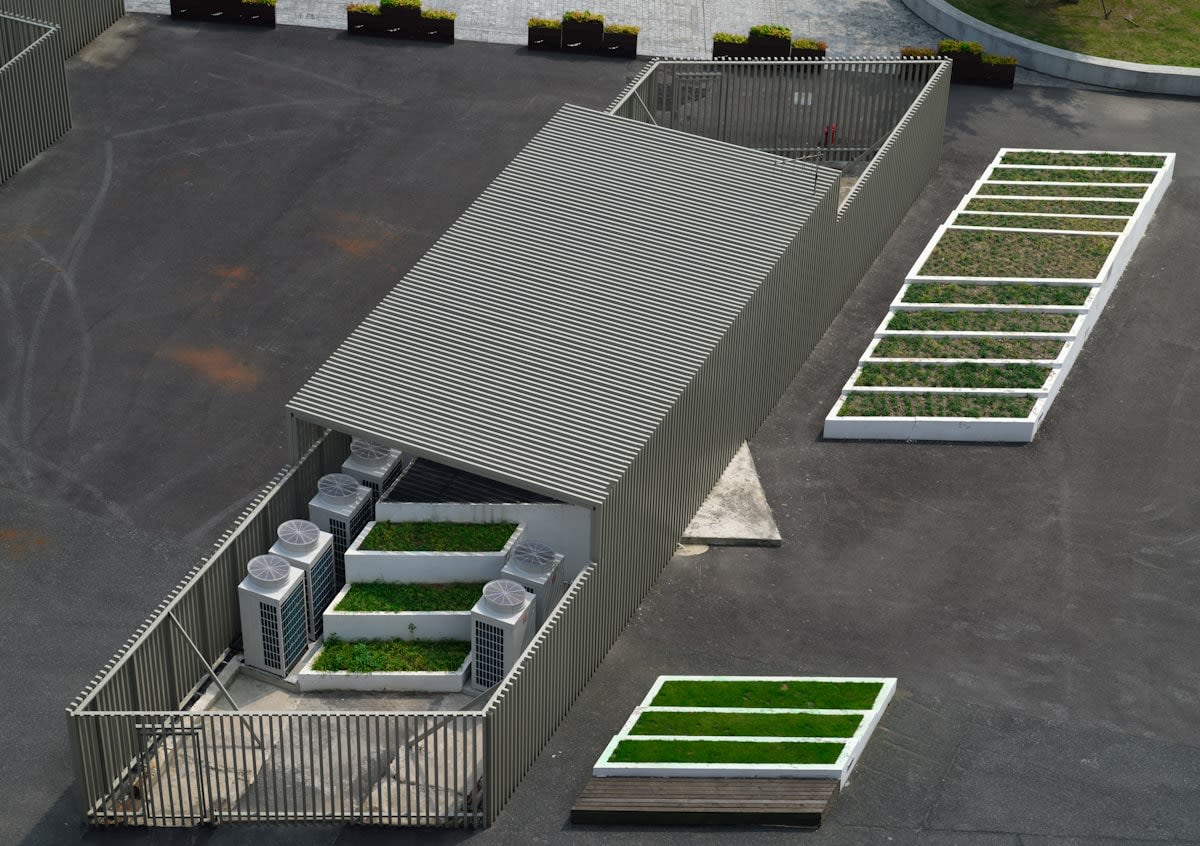
Ho Chi Minh City is currently witnessing a surge in these decentralized models. Rooftop gardens are evolving from hobbyist spaces into coordinated production networks. By utilizing low-cost, locally sourced materials for hydroponic setups, Vietnamese urban farmers are bypassing the need for massive capital expenditure. They are proving that high-tech doesn't always mean expensive; it means efficient.
The Economic Imperative
The financial failure of early vertical farms was rooted in a misunderstanding of CapEx versus OpEx. Massive investments in LED lighting and climate control systems created high fixed costs that could only be offset by selling premium products. However, the premium market is small and fickle. Diversified systems lower the OpEx by reducing the need for external inputs like fertilizer and feed, making the produce competitive with traditional rural imports.
Market demand is shifting toward transparency and resilience. Consumers in Jakarta and Bangkok are increasingly wary of the stability of long-distance supply chains. The value proposition of urban farming is no longer just 'freshness'—it is 'certainty'. A city that can produce 30% of its own nutritional needs is a city that cannot be starved by a shipping strike or a regional climate disaster.
Strategic Target
Singapore's '30 by 30' goal aims to produce 30% of the nation's nutritional needs locally by 2030, serving as the global benchmark for urban agricultural ambition.
Energy remains the primary bottleneck. The cost of powering LEDs to replace the sun is the Achilles heel of indoor farming. To combat this, the next generation of urban farms is integrating semi-transparent solar panels into greenhouse glass. This allows the plants to receive necessary light while the building generates the electricity needed to run the pumps and sensors. It is an evolution from energy-consumption to energy-generation.
The labor market is also evolving. Urban farming is attracting a new class of 'agri-tech' workers—individuals who are as comfortable with pH sensors and nutrient dosing software as they are with pruning shears. This professionalization of urban agriculture is moving it away from the 'community garden' stereotype and toward a sophisticated industrial sector. The farm is becoming a data center for biological production.
Resilience Through Redundancy
Monocultures are inherently fragile. A single pest or a specific fungal strain can wipe out an entire warehouse of basil in forty-eight hours. Diversified polycultures create a biological buffer. By mixing species and integrating animals, farmers create a more stable ecosystem where a failure in one crop does not result in a total loss of revenue. Redundancy is not inefficiency; in a volatile climate, redundancy is survival.
Ultimately, the victory of diversified urban farming in Southeast Asia is not about technology, but about logic. The region is home to some of the fastest-growing megacities on earth, all of which are increasingly threatened by rising sea levels and erratic weather. The only way to secure the food supply is to bring the production to the point of consumption. By treating the city as a farm, Southeast Asia is rewriting the rules of urban existence.
- Integration of aquaculture to eliminate synthetic fertilizer costs.
- Utilization of insect protein to convert urban organic waste into fish feed.
- Decentralization of production to eliminate 'last mile' logistics costs.
- Shift from luxury microgreens to calorie-dense polycultures.
- Hybridization of solar energy and hydroponic infrastructure.