
Tropical heat is a relentless tax on the smallholder. In regions across Sub-Saharan Africa and Southeast Asia, post-harvest losses frequently exceed 40%, a staggering waste of caloric energy and labor that occurs between the field and the market. The culprit is not a lack of will, but the brutal physics of respiration and transpiration. When a tomato or a mango is harvested in 35 degree Celsius heat, its metabolic rate spikes, accelerating the breakdown of cellular structures and inviting fungal colonization. For a farmer in rural Vietnam or Rwanda, the cost of a diesel-powered refrigerator is not just the purchase price, but the perpetual liability of fuel and maintenance in an environment where the grid is a fantasy.
The solution does not lie in miniaturizing industrial refrigeration, but in returning to the fundamental principles of thermodynamics. Zero-energy cold chains rely on the latent heat of vaporization. When water evaporates from a porous surface, it consumes heat from its immediate environment, lowering the temperature of the surrounding air and the objects within it. This is not a new discovery, but the application of this principle at scale—moving from a simple pot to a structured cold room—requires a clinical understanding of airflow, material porosity, and humidity gradients.
The Humidity Constraint
The efficiency of any evaporative system is inversely proportional to the ambient relative humidity. In arid tropics, these systems are miracles; in humid coastal zones, they require aggressive ventilation to force evaporation.
Prerequisites for Zero-Energy Cooling
Before breaking ground or assembling components, the practitioner must secure specific materials that optimize the surface-area-to-volume ratio. The goal is to maximize the interface where water meets air. Standard concrete is too dense; plastic is impermeable. You need materials that act as a capillary network, pulling water upward and holding it in a thin film that can be stripped away by the wind.
- Double-walled porous containers (clay pots or perforated brickwork).
- High-porosity filler: Crushed charcoal or coarse river sand (charcoal is preferred for its superior capillary action and antimicrobial properties).
- Water source: A consistent supply of non-saline water to prevent salt crusting on the evaporative surfaces.
- Ventilation site: A location with consistent cross-breezes, away from direct midday sun but open to airflow.
- Thermal mass: Heavy stone or brick for the exterior base to stabilize diurnal temperature swings.
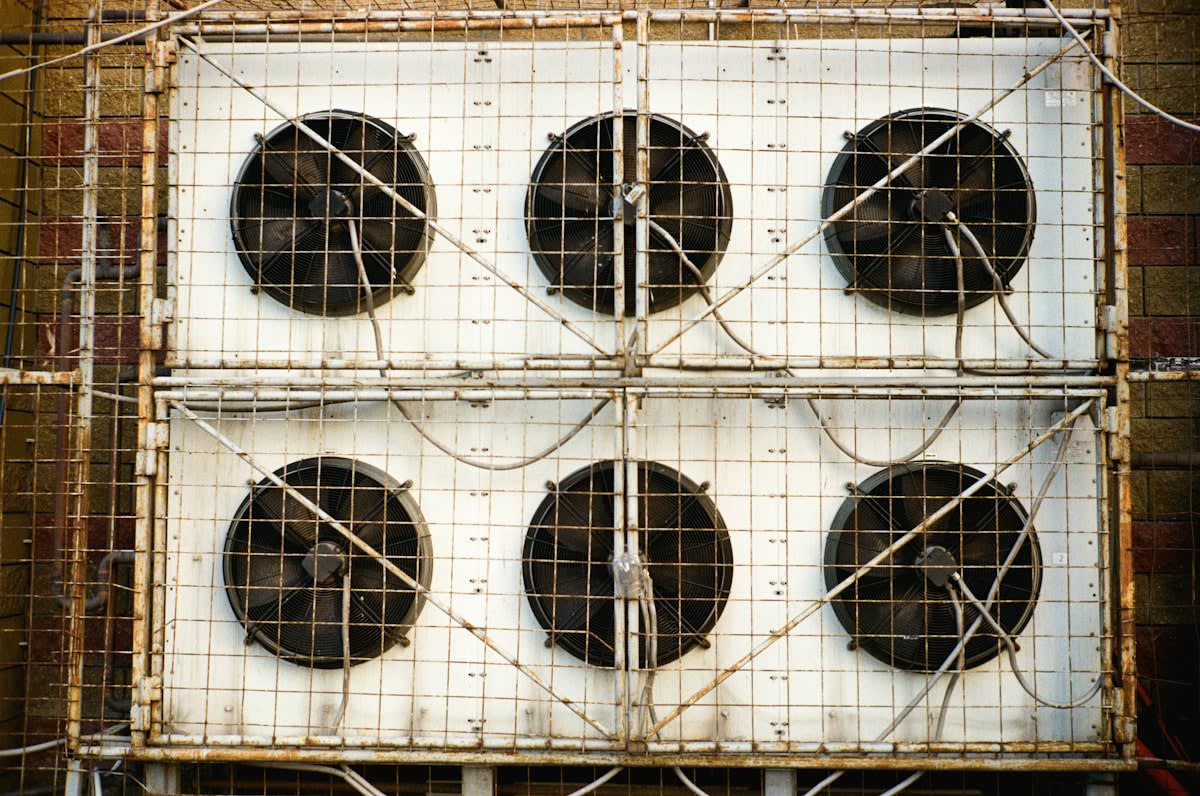
Site selection is where most implementations fail. Placing a cooler in a stagnant corner of a shed creates a micro-climate of saturation. Once the air immediately surrounding the cooler reaches 100 percent humidity, evaporation stops, and the internal temperature equalizes with the outside. The system requires a constant stream of dry air to carry away the water vapor. This is why the most successful installations in the Colombian highlands are positioned in wind corridors, utilizing natural pressure differentials to drive the cooling process.
Building the Evaporative Cooling Chamber
The construction follows a logic of concentric layers. The outer layer provides the structural integrity and the evaporative surface, while the inner layer protects the produce from direct contact with moisture, which would otherwise trigger rapid rot. The space between these layers is the engine of the system.
- Construct a double-walled structure using perforated bricks or two concentric clay pots. Ensure a gap of 3 to 5 centimeters between the walls.
- Fill the gap entirely with crushed charcoal. Pack it firmly but leave enough void space for water to migrate upward via capillary action.
- Install a perforated base or a water reservoir at the bottom to ensure the charcoal remains saturated without drowning the produce.
- Place a breathable liner, such as a jute bag or a perforated plastic tray, inside the inner wall to hold the produce.
- Cover the top with a damp cloth or a thatched lid. This prevents heat from entering from above while allowing the internal air to breathe.
- Establish a watering schedule. The charcoal must be kept moist; if it dries out, the cooling effect vanishes instantly.
Precision in the charcoal layer is critical. If the charcoal is too fine, it restricts airflow; if it is too coarse, the water does not climb efficiently. The ideal grain size is between 5mm and 15mm. This creates a balanced network of macro-pores for air and micro-pores for water. When configured correctly, these systems can reduce internal temperatures by 10 to 15 degrees Celsius compared to the ambient air, effectively extending the shelf life of leafy greens from two days to ten.
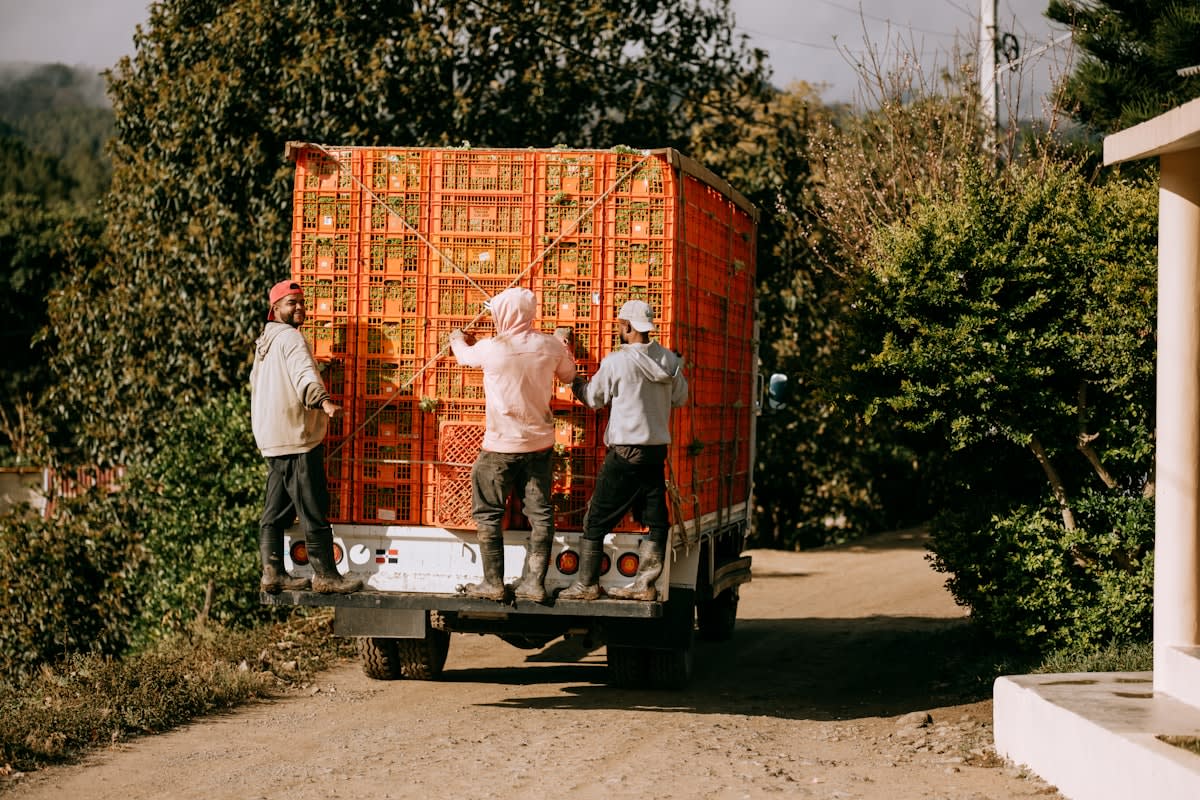
Scaling this from a single pot to a walk-in chamber requires a shift in geometry. Instead of concentric circles, use a series of double-brick walls with charcoal infill. The roof should be slanted and covered with a wet thatch layer, creating a chimney effect that pulls cool air from the bottom and exhausts warm air through the top. This vertical temperature gradient is the key to maintaining a stable core temperature in larger volumes of produce.
Performance Metrics: Passive vs. Active Cooling
Comparing zero-energy systems to traditional refrigeration reveals a trade-off between absolute temperature and accessibility. While a compressor-based fridge can hit 4 degrees Celsius, it is useless if the power fails for six hours. The evaporative cooler offers a 'buffer'—it doesn't freeze, but it prevents the rapid metabolic spike that leads to spoilage.
| Metric | Zero-Energy (Charcoal) | Diesel Refrigeration | Solar-Powered Cold Hub |
|---|---|---|---|
| OpEx Cost | Near Zero (Water only) | High (Fuel/Oil) | Low (Maintenance) |
| Temp Reduction | 10-15 C | 20-25 C | 20-25 C |
| Relative Humidity | 80-90% | Low (Drying effect) | Controlled |
| Setup Cost | < $20 USD | Moderate | Very High |
| Reliability | Absolute (Physics-based) | Mechanical failure risk | Battery/Panel risk |
The high relative humidity (80-90%) inside a zero-energy cooler is actually an advantage for many tropical crops. Unlike mechanical refrigeration, which strips moisture from the air and causes wilting, evaporative cooling keeps the produce hydrated. This maintains the turgor pressure in vegetables, ensuring they look fresh and retain weight when they finally reach the consumer.
Common Pitfalls and Failure Points
The most frequent failure is the 'salt crust' phenomenon. In areas with hard water, calcium and magnesium deposits build up on the charcoal and brick surfaces. These minerals clog the pores, killing the capillary action and stopping evaporation. To combat this, the charcoal must be flushed with clean water or replaced every six months. Neglecting this maintenance turns a high-performance cooler into a humid box that actually accelerates rot.
Another critical error is the over-packing of produce. If the inner chamber is stuffed to capacity, air cannot circulate around the fruits or vegetables. This creates anaerobic pockets where ethylene gas—the ripening hormone—accumulates. Ethylene acts as a signal for other produce to ripen and rot faster. A master practitioner always leaves 20 percent void space and uses perforated shelving to ensure every piece of produce is touched by the cool, moist air.
"The goal is not to fight the tropical environment, but to use its own energy—the wind and the sun—to drive the cooling process. When you stop fighting the heat and start using it to evaporate water, the economics of the farm change overnight."— Field Engineer, Tropical Agriculture Initiative
Finally, there is the risk of water contamination. Because the system relies on a damp environment, mold can take hold if the charcoal is not high-quality or if organic debris is allowed to rot in the water reservoir. Using activated charcoal or ensuring the charcoal is thoroughly charred reduces the risk of fungal growth. The system is a living biological interface; it requires the same attention as the crops it is designed to protect.