
Prerequisites for Zero-Loss Integration
Achieving a zero-loss state in tropical climates requires more than just better insulation; it demands a total alignment of geography and telemetry. Before deploying hardware, operators must secure a logistics layout that minimizes the time cargo spends in uncontrolled environments. This involves identifying specific network gaps where cargo typically stagnates, creating thermal bridges that accelerate spoilage. Without a precise map of these vulnerabilities, any investment in refrigeration is merely a temporary fix for a structural failure. Why do we continue to treat cold chain as a series of isolated refrigerators rather than a continuous thermal conduit?
- Regional Gap Analysis: Mapping of production zones against existing depot capacity to identify high-risk transit windows.
- High-Capacity Depot Access: Availability of facilities capable of handling large-scale turnover, such as the 36,000 sq m benchmark seen in central Vietnam.
- Telemetry Stack: Hardware for real-time visual and thermal monitoring to replace reliance on lagging POS or manual logs.
- Circular Packaging Protocols: Integration of sustainable, high-thermal-resistance materials to reduce waste and maintain core temperatures.
Execution Steps for Thermal Hardening
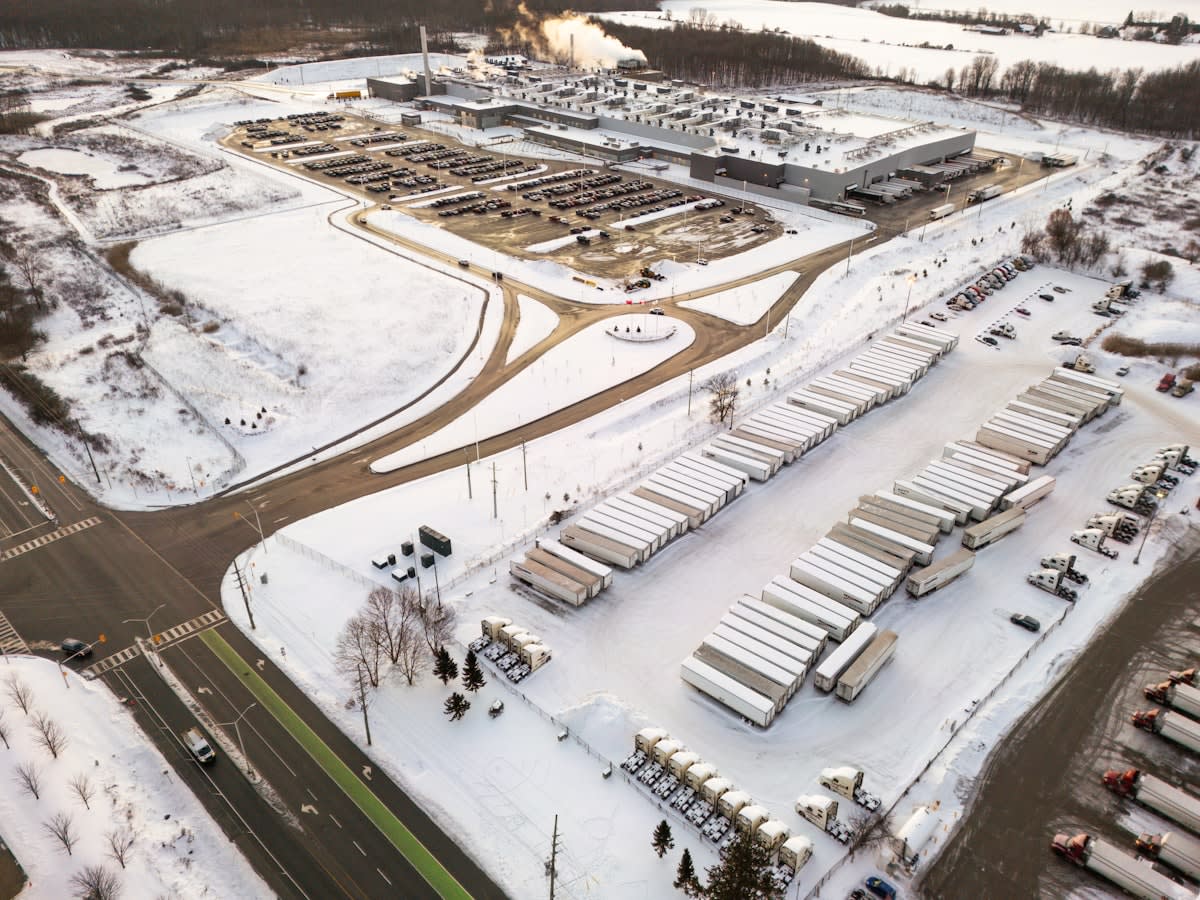
The first step in neutralizing loss is the elimination of regional voids. When a logistics provider like SITC identifies a network gap in central Vietnam, they don't just add a warehouse; they establish a strategic anchor. The launch of the Da Nang depot, covering 36,000 sq m, serves as a prime example of filling a regional void to enhance end-to-end capacity. By integrating this facility into a broader 450,000 sq m network across northern, southern, and central regions, the provider reduces the cargo turnover time. Speed is the only true defense against the punishing humidity of tropical hubs.
- Map the Thermal Voids: Identify regions where cargo dwell time exceeds four hours. Use the SITC model of regional coverage to ensure no single transit leg is left unsupported by a depot.
- Scale Operational Footprint: Deploy facilities that provide sufficient buffer capacity. A 36,000 sq m facility allows for optimized cargo turnover efficiency, preventing the bottlenecks that lead to temperature spikes.
- Solve the Analytics Paradox: Move beyond POS transaction counts. In Indonesia, Thailand, and Vietnam, retail leaders often overlook visual data. In cold chains, you must deploy visual infrastructure to monitor cargo handling in real-time rather than relying on post-mortem data.
- Implement Circular Packaging: Adopt the logic of the UK Packaging Pact. Shift toward materials that are not only sustainable but designed for the circular economy, ensuring that packaging does not become a waste liability while maintaining thermal integrity.
- Synchronize End-to-End Logistics: Ensure the depot network (e.g., a five-depot system) is linked by a single telemetry layer to prevent data silos between the northern and southern hubs.
The paradox of modern tropical logistics is that the data exists, but the insight does not. As observed in the retail sectors of Indonesia, Thailand, and Vietnam, companies are often sitting on enormous volumes of visual data but fail to use it, relying instead on estimates from POS systems. This is a fatal error in cold chain management. If you are estimating your temperature loss based on the time a pallet left a facility, you are managing a ghost. You need visual and sensor-based analytics that tell you exactly when a seal was broken or a pallet was left on a tarmac in the humidity.
The Analytics Gap
The failure to adopt data analytics technologies in Southeast Asia's retail and logistics sectors means most operators are following proven, outdated approaches rather than leading with predictive ones. This lag is where most product loss occurs.
Once the physical and digital infrastructure is in place, the focus must shift to the material layer. The UK Packaging Pact, led by figures from Tesco and M&S, emphasizes a move toward a circular economy and reduced packaging waste. In a tropical cold chain, the packaging is the final line of defense. By integrating sustainable films and flexibles, operators can reduce the environmental footprint of their exports without sacrificing the thermal barrier. The goal is a system where the packaging is as resilient as the depot that houses it.

Finally, the synergy between depot scale and network density creates supply chain resilience. When SITC expanded its network to five depots covering 450,000 sq m, they weren't just increasing storage; they were decreasing the probability of failure. A denser network means that if one hub faces a power failure or a logistics bottleneck, cargo can be rerouted to the nearest anchor point with minimal thermal deviation. This redundancy is the hallmark of a zero-loss system.
Comparative Infrastructure Metrics
| Metric | Fragmented System | Zero-Loss System (SITC Model) |
|---|---|---|
| Regional Coverage | Isolated Hubs | Integrated N/S/C Network |
| Depot Scale | Small/Variable | 36,000 sq m per strategic node |
| Total Footprint | Under 100,000 sq m | 450,000 sq m total |
| Data Source | POS/Manual Logs | Real-time Visual Analytics |
| Packaging Focus | Single-use Plastic | Circular/Sustainable Materials |
The transition from a fragmented system to an integrated one is a matter of scale and precision. The difference between a 100,000 sq m disjointed network and a 450,000 sq m coordinated network is not just capacity—it is the elimination of the 'gap.' In the central Vietnam context, the Da Nang depot acts as the connective tissue. Without that specific node, the logistics layout remains broken, and the risk of thermal leakage increases exponentially during the transit between the north and south.
Common Pitfalls in Tropical Implementation
The most frequent error is the reliance on proven but obsolete methods. As Deloitte Southeast Asia noted, companies in Indonesia, Thailand, and Vietnam often choose proven approaches over new ones. In the context of cold chains, a 'proven approach' often means ignoring the visual data available in warehouses and relying on transaction counts. This creates a blind spot where cargo can sit in the sun for hours, yet the system records it as 'in transit' based on a timestamp. This disconnect between the digital record and physical reality is where zero-loss goals go to die.
Another critical failure is the neglect of the packaging-infrastructure interface. Many operators invest in massive depots but use substandard packaging that cannot withstand the humidity of a tropical port. Following the lead of the UK's Packaging Pact, operators must realize that the packaging is part of the infrastructure. If the film or flexible packaging fails, the 36,000 sq m of climate-controlled space in the depot becomes irrelevant the moment the cargo hits the loading dock.
"The paradox at the heart of Southeast Asian retail is an industry sitting on enormous volumes of visual data and largely failing to use any of it."— Asian Business Review
Ultimately, the path to zero-loss is a commitment to empirical reality over administrative estimates. It requires the courage to abandon the 'proven' path of the last decade in favor of a data-dense, geographically optimized network. When you stop estimating and start measuring, the thermal gaps vanish.