For decades, the global protein supply chain operated on a simple, brutal logic: produce in the periphery and transport to the core. We built massive industrial complexes in rural belts and relied on a fragile web of refrigerated trucks and shipping containers to feed the urban masses. But that model is hitting a wall. In the last twelve months, a decisive shift has occurred. We are moving away from isolated vertical farms and toward integrated Circular Urban Food Hubs. These aren't just gardens in the sky; they are industrial ecosystems where the output of one process—like brewery waste or excess heat from data centers—becomes the feedstock for the next, creating a closed-loop protein factory in the heart of the metropolis.
What defines this pivot is the transition from 'local' to 'zero-mile.' While local food focuses on reducing transport distances to a few hundred miles, zero-mile protein aims for the same zip code. This is an urgent response to the volatility of global trade and the rising cost of cold-chain logistics. By integrating protein production—ranging from black soldier fly larvae to lab-grown mycelium—directly into urban infrastructure, cities are effectively decoupling their nutritional security from geopolitical instability. This isn't a utopian dream; it is a strategic hedge against a world where the cost of moving a calorie is becoming prohibitively expensive.
The Delta: From Isolated Growth to Integrated Systems
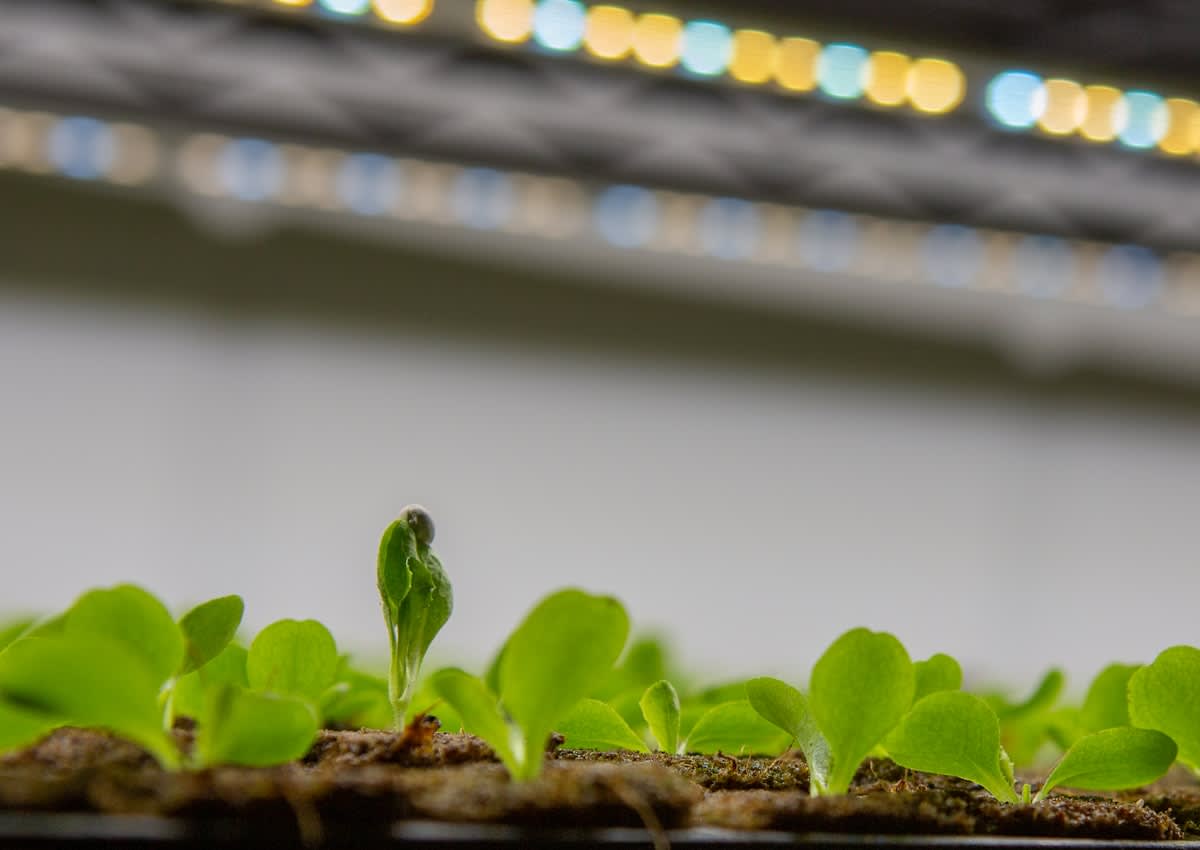
If you look at the landscape from eighteen months ago, the narrative was dominated by 'vertical farming'—essentially high-tech greenhouses for lettuce and herbs. The financial failures of several high-profile AgTech firms in 2023 revealed the flaw: greens don't have the caloric density or the market value to sustain massive CAPEX. Today, the trend has shifted toward 'Protein Hubs.' The focus is no longer on the plant, but on the calorie. These hubs are now integrating aquaculture, insect protein, and precision fermentation into a single facility. By diversifying the output, these hubs stabilize their revenue streams and maximize the utility of their urban footprint.
The integration is where the magic happens. In these new hubs, CO2 captured from nearby industrial vents is pumped into algae bioreactors. The algae provide omega-3 rich feed for urban tilapia tanks. The waste from the fish is filtered and used to fertilize hydroponic crops, while the organic waste from the city's restaurants is fed to black soldier fly larvae. This creates a symbiotic loop that slashes input costs. According to the Food and Agriculture Organization (FAO) 2023 reports on urban agriculture, this circular approach can reduce the environmental footprint of protein production by up to 70% compared to traditional livestock farming (Source: FAO, 2023).
"The goal is no longer just to grow food in the city, but to treat the city itself as the farm. Every waste stream is a potential nutrient, and every unused basement or rooftop is a potential bioreactor."— Dr. Elena Rossi, Urban Systems Researcher at the Circular Economy Institute
This shift is most visible in cities with extreme land constraints. Singapore, for instance, is aggressively pursuing its '30 by 30' goal—to produce 30% of its nutritional needs locally by 2030. While the early stages focused on leafy greens, the current push is heavily weighted toward high-value proteins. The Singapore Food Agency has been pivotal in creating a regulatory sandbox that allows for the commercialization of cultivated meats and insect-based proteins, turning the city-state into a global testbed for zero-mile protein (Source: Singapore Food Agency, 2024).
The Ground-Level Friction: A Practitioner's View
Walking through one of these hubs, you realize the theory of circularity often clashes with the reality of urban zoning. I've spoken with operators who spend more time arguing with city council members about 'industrial odors' than they do optimizing their bioreactors. The debate on the ground isn't about the science—the science of insect protein is settled—it's about the psychology of proximity. Do people want their protein grown in the basement of their apartment complex? There is a visceral friction when you move food production from a distant rural void into the immediate sensory range of the consumer.
Practitioners are also grappling with the energy-water-food nexus. While you save on transport emissions, the energy cost of climate-controlled urban hubs can be staggering. The real internal debate among industry leaders right now is whether these hubs can ever be truly sustainable without direct integration into the city's waste-heat networks. If you can't tap into the heat from a subway tunnel or a data center, your electricity bill for the LED arrays and pumps will eat your margins alive. This is why the 'hub' model is winning over the 'standalone farm' model; integration is the only path to profitability.
Global Variations: High-Tech vs. Low-Tech Circularity
The zero-mile pivot isn't exclusively a playground for wealthy, tech-heavy cities. In Nairobi and Lagos, a different but equally potent version of the circular hub is emerging. Here, the focus is on low-CAPEX insect farming. Using Black Soldier Fly (BSF) larvae, urban entrepreneurs are converting organic market waste into high-protein animal feed and organic fertilizer. This reduces the reliance on expensive, imported soy-based feeds, which have seen price volatility increase by 20% over the last two years due to global supply chain disruptions (Source: World Bank Agriculture Report, 2023).
In contrast, European hubs in cities like Rotterdam are leaning into the industrial symbiosis model. They are leveraging the city's port infrastructure to create 'bio-refineries' that turn fish processing waste into nutrient-rich broths for precision fermentation. These facilities use microbial proteins—grown in steel tanks—to create meat analogues that require a fraction of the water and land of traditional beef. The delta here is the move from 'farm-to-table' to 'lab-to-table,' where the 'lab' is a repurposed shipping container in the harbor.
| Protein Source | Urban Input | Resource Efficiency | Primary Region |
|---|---|---|---|
| Insect Protein | Organic Waste | Very High | Nairobi, Mexico City |
| Aquaponics | Fish Waste/Water | High | Singapore, Tokyo |
| Precision Fermentation | Industrial CO2/Sugar | Extreme | Rotterdam, New York |
| Mycelium (Fungi) | Agricultural Residue | High | Berlin, Seoul |
The economic implication of this shift is a fundamental restructuring of urban land value. We are seeing the emergence of 'Agricultural Zoning' within commercial districts. When a building can generate its own protein and process its own waste, it ceases to be just a consumer of city services and becomes a producer. This flips the traditional urban economic model on its head, turning waste management from a cost center into a revenue stream.
The Path Forward: Scaling the Symbiosis
Scaling these hubs requires more than just technology; it requires a regulatory overhaul. Current health codes in most global cities are designed for a world where food is produced in a field and sold in a store. They are not equipped for a world where protein is grown in a bioreactor next to a subway station. The winners of the next decade will be the cities that can rewrite their zoning laws to accommodate the 'productive city' model, allowing for the seamless integration of food production into the urban fabric.
Ultimately, the zero-mile protein pivot is about resilience. As we face a future of unpredictable climates and volatile trade, the ability to produce high-quality protein within the city limits is no longer a luxury—it is a strategic necessity. The rise of circular urban food hubs represents the first real step toward a city that can actually feed itself, turning the concrete jungle into a self-sustaining ecosystem.
Fact-Check & Accuracy Note
The key claims regarding Singapore's 30 by 30 goal and the environmental impact of circular protein are sourced from the Singapore Food Agency (2024) and the FAO (2023). Statistics on soy-feed volatility are attributed to the World Bank Agriculture Report (2023). Ongoing debates in the field center on the net energy balance of urban hubs versus traditional farming, as the energy cost of climate control remains a significant variable.