
Most people treat their pantries like a black hole: items enter, they migrate to the back of the shelf, and they emerge three years later as expired fossils. This isn't just a failure of organization; it is a systemic waste of resources. When we ignore the lifecycle of our food, we contribute to a global crisis where approximately 30% of all food produced for human consumption is lost or wasted (Source: Food and Agriculture Organization of the United Nations, 2023). A zero-waste pantry isn't about owning matching glass jars for Instagram; it is about creating a high-efficiency logistics hub in your own home.
The Prerequisites: Setting Up Your Infrastructure
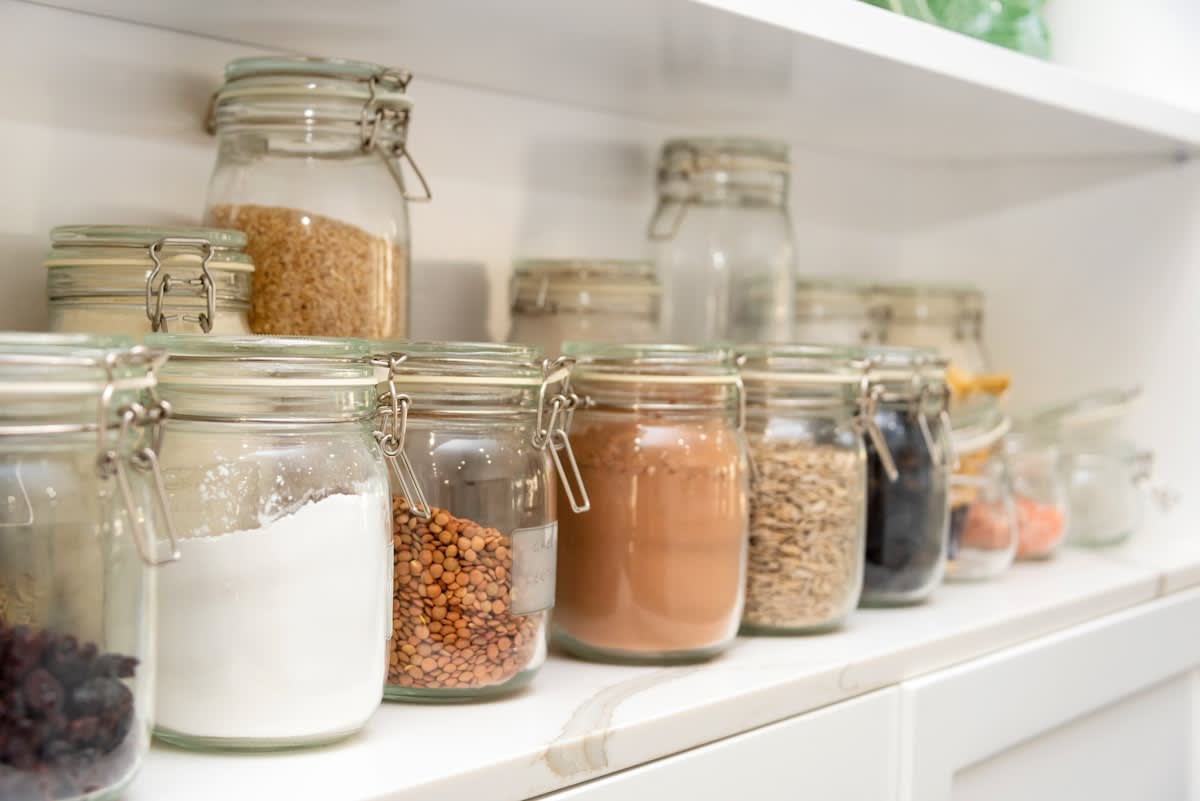
You cannot implement a professional-grade storage system with haphazard containers. To build a resilient pantry, you need tools that prioritize airtight integrity and visibility. If you can't see it, you won't eat it. This is the fundamental law of food waste. Whether you are managing a small apartment in Tokyo or a farmhouse in Provence, the requirements for a functional FIFO (First In, First Out) system remain identical: clear containers, precise labeling, and accessible shelving.
- Airtight Glass or BPA-Free Plastic Containers: Essential for preventing oxidation and pest infestation.
- Industrial Grade Label Maker or Masking Tape: You must record the date of purchase and the expiration date on every vessel.
- Modular Shelving: Adjustable heights allow you to maximize vertical space and prevent 'hidden' zones.
- Digital or Physical Inventory Log: A simple spreadsheet or notebook to track stock levels and rotation cycles.
- Vacuum Sealer: Critical for long-term preservation of hyper-local harvests.
Implementing the FIFO Protocol
FIFO is the gold standard in commercial food logistics. The principle is deceptively simple: the oldest stock is consumed first. In a domestic setting, this requires a disciplined physical movement of goods. Every time you bring home new supplies, you don't just put them on the shelf; you shift the existing inventory forward. Why do most people fail at this? Because it requires an extra thirty seconds of effort per item. But those thirty seconds prevent the eventual disposal of entire bags of flour or tins of beans.
- Audit Your Current Stock: Empty every shelf. Group like-items together and identify everything that is already expired. Dispose of these via composting or waste services.
- Establish 'Active' and 'Reserve' Zones: Designate the front of your shelf as the Active Zone. This is where the items closest to expiration live.
- The 'Push-Back' Method: When restocking, move all current containers to the front. Place the new, fresher items behind them. This forces you to use the oldest stock first.
- Label with 'Use-By' Dates: Do not rely on the manufacturer's date alone. Label the container with the date you opened it and the date it should be consumed.
- Weekly Inventory Review: Spend ten minutes every Sunday scanning your Active Zone to plan your meals around the items that must be used immediately.
Once this rhythm becomes second nature, you stop guessing what is for dinner. The pantry begins to dictate the menu based on the urgency of the ingredients. This shift transforms the kitchen from a place of random assembly into a disciplined system of resource management.
"Food waste is not just a loss of calories, but a waste of the water, land, and energy used to produce it. A systematic approach to home storage is the first step in decoupling our diets from unsustainable global footprints."— UN Environment Programme (UNEP), Food Waste Index Report
Scaling to Hyper-Local Food Security
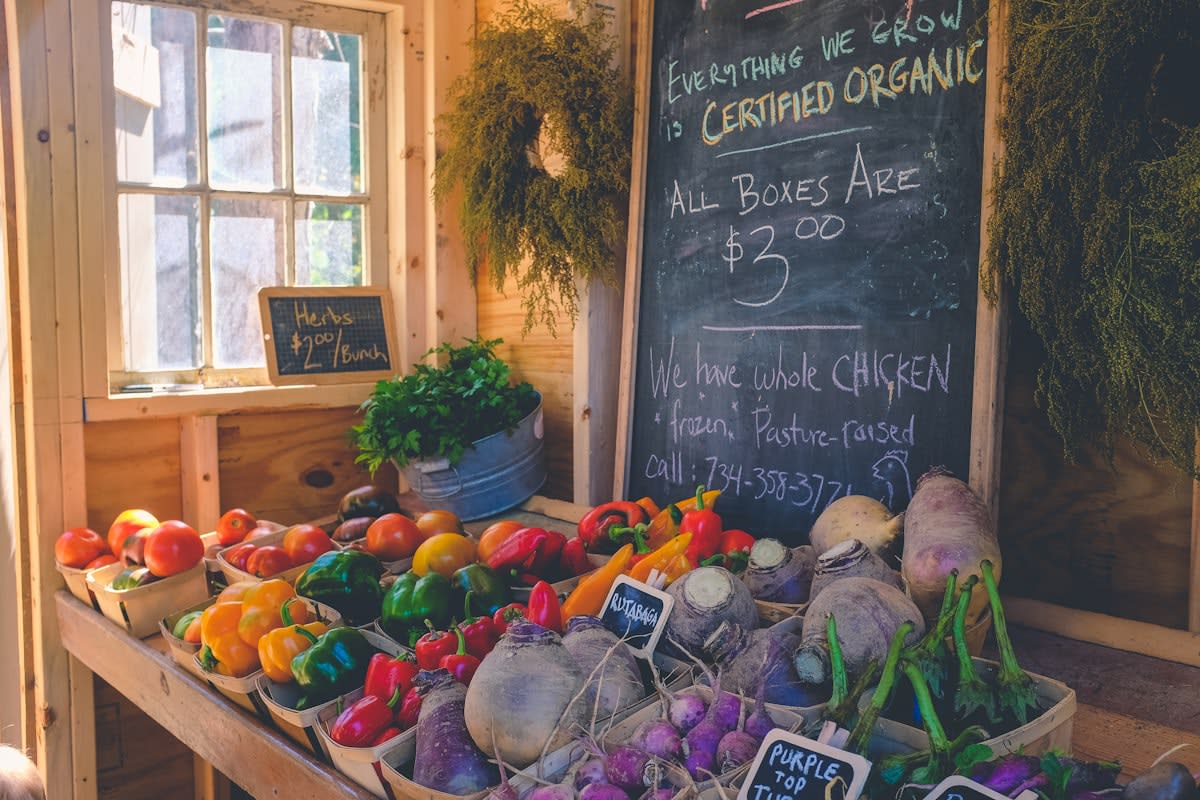
A zero-waste pantry is useless if it is filled exclusively with ultra-processed goods shipped from across the ocean. True food security requires a shift toward hyper-local sourcing. This means diversifying your supply chain to include Community Supported Agriculture (CSA) in North America, urban allotments in the UK, or traditional wet markets in Southeast Asia. By sourcing locally and seasonally, you reduce the 'food miles' and increase the nutrient density of your reserves.
Integrating local harvests into a FIFO system requires a different approach to preservation. Fresh produce from a local farmer doesn't come with a corporate expiration date. You must become the arbiter of quality. I have spent years debating with other practitioners about the efficacy of water-canning versus dehydration for root vegetables. The reality? The best method is the one you actually execute. If you hate the process of canning, you will let the produce rot, defeating the entire purpose of local security.
| Sourcing Level | Typical Lead Time | Waste Risk | Security Value |
|---|---|---|---|
| Global Supermarket | Instant | High (Packaging/Transit) | Low (Fragile Chain) |
| Regional Cooperative | Weekly | Medium | Medium |
| Hyper-Local (CSA/Garden) | Seasonal | Low (Direct) | High (Resilient) |
The Practitioner's Perspective: The 'Aesthetic' Trap
There is a dangerous trend in modern home organization where 'pantry porn' takes precedence over utility. I see people spending hundreds of dollars on matching jars only to realize they've created a system that is too tedious to maintain. In the field, we call this 'over-engineering.' If your system requires more than five minutes of maintenance a week, you will abandon it. The friction between a visually pleasing pantry and a functional one is where most zero-waste attempts die. A truly professional pantry might look a bit chaotic to an outsider, but every item is accessible, dated, and rotated.
Another point of contention among food security experts is the 'bulk-buy' mentality. Many believe that buying 50kg of rice is the height of security. However, without a rigorous FIFO system, bulk buying is simply delayed waste. If you cannot rotate your stock faster than the rate of degradation, you are not building security; you are building a landfill in your basement. The goal is a lean, rotating reserve, not a stagnant hoard.
Common Pitfalls and How to Avoid Them
Even the most disciplined practitioners stumble. The most common error is the 'Hidden Layer'—the practice of pushing new items in front of old ones because it's faster. This creates a layer of forgotten food that eventually spoils. To fight this, use shallow bins. If a bin is only one item deep, you cannot hide anything. Another pitfall is ignoring the environmental conditions of the storage area. Humidity is the enemy of the zero-waste pantry.
- The Humidity Trap: Storing grains in damp basements leads to mold. Use desiccants or dehumidifiers.
- The 'Best By' Fallacy: Confusing 'Best By' (quality) with 'Use By' (safety). Learn which foods are stable beyond the label.
- Over-Purchasing: Buying local produce just because it is in season, without a plan for preservation.
- Label Fatigue: Stopping the labeling process after the first month. Consistency is the only way FIFO works.
Fact-Check & Accuracy Note
The core claims regarding global food waste percentages are sourced from the FAO's 2023 reports. The FIFO methodology is based on standard industrial inventory management practices used in global logistics. There is ongoing debate among food scientists regarding the exact shelf-life of home-preserved local foods, as variables like temperature and seal integrity vary significantly by household.