
Argentina is a laboratory of desperation. Macroeconomic volatility forces startups to build for resilience because there is no other choice. These firms don't seek growth; they seek survival. Investors now crave these exact traits as global markets harden.
The Stability Trap
Berlin and Paris enjoy the luxury of stability. Germany currently leads the Global Trade Resilience Index due to a systemic ability to absorb shocks. Contrasting this with the Buenos Aires ecosystem reveals a hidden truth. Stability often breeds complacency, while instability mandates precision.
| Sector/Region | Primary Driver | Systemic Outcome | Resilience Metric |
|---|---|---|---|
| Argentina AgriTech | Currency Crisis | Global Scalability | High Adaptability |
| Germany Trade | Systemic Infrastructure | Trade Continuity | Global Index Leader |
| Synthetic Biology | BPA Toxicity | Rational Design | 150ppm Tolerance |
| EV Aviation | Production Scale | Cost Reduction | JTAMPC Venture |
Analyst Note
Resilience is not a feature; it is a scar. The most robust systems are those that have already failed and been forced to reorganize under pressure.
The logic of survival extends from the balance sheet to the petri dish.
Engineering for Toxicity
Toxicity defines the rules of engagement in synthetic biology. Researchers recently mapped community-function landscapes to degrade bisphenol-A (BPA). Low concentrations at 60ppm provide a baseline. High toxicity at 150ppm forces epistatic interactions that actually guide the design of these consortia.

Biological systems do not collaborate out of altruism. Species interact based on the harsh requirements of their environment. This rational design approach uses failure points—toxicity levels—to identify which microbial combinations actually function.
Industrial scaling requires a different kind of resilience, one born of partnership rather than desperation.
The Manufacturing Hedge
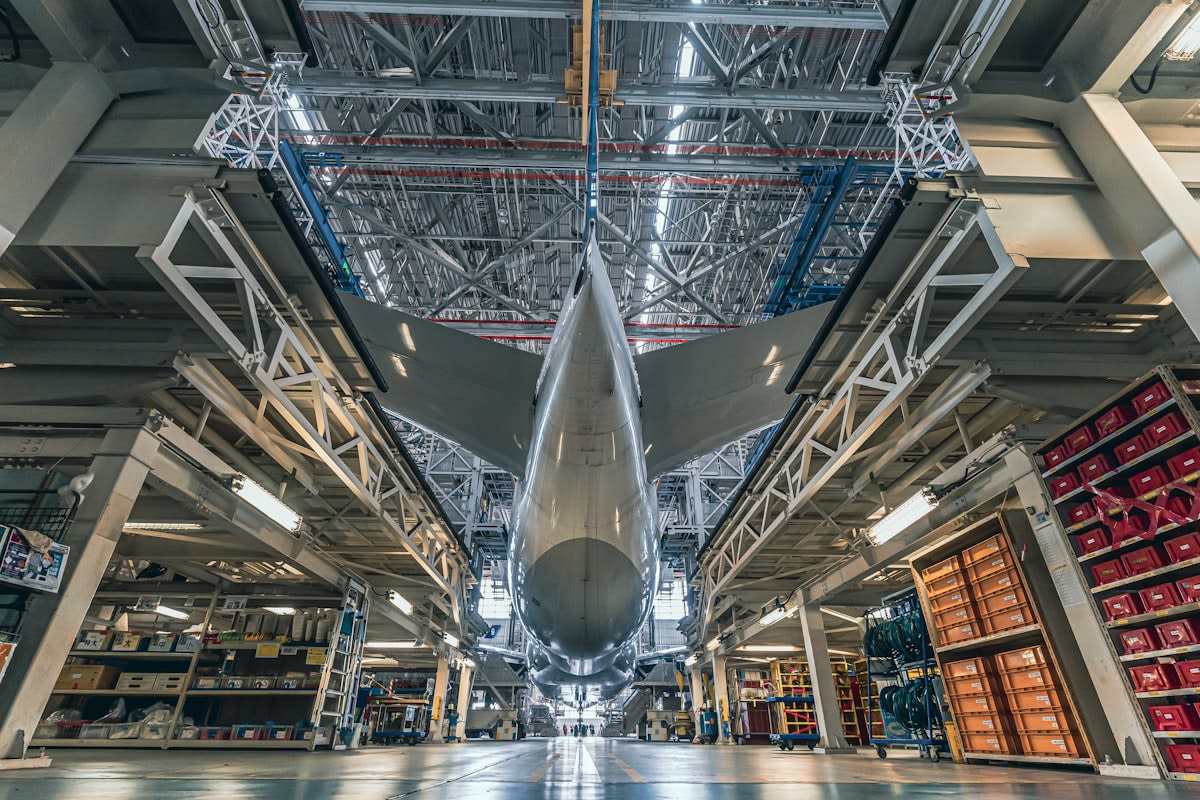
Electric aviation is a capital incinerator. Joby Aviation realized that designing an aircraft is easier than building a thousand of them. Toyota enters the frame via the Joby Toyota Aero Manufacturing Preparation Company (JTAMPC). This joint venture is less about flying taxis and more about mitigating the risk of production failure.
"The joint venture will combine Joby's work in electric aviation with Toyota's expertise in production systems."— JTAMPC Announcement
Corporate sustainability goals often mask systemic fragility. PepsiCo claims a 90% sustainable sourcing target by 2030. Such numbers look impressive in a press release. Reality involves navigating systemic barriers that make these volumes nearly impossible to secure without massive leverage.