The Myth of the Transparent Transaction
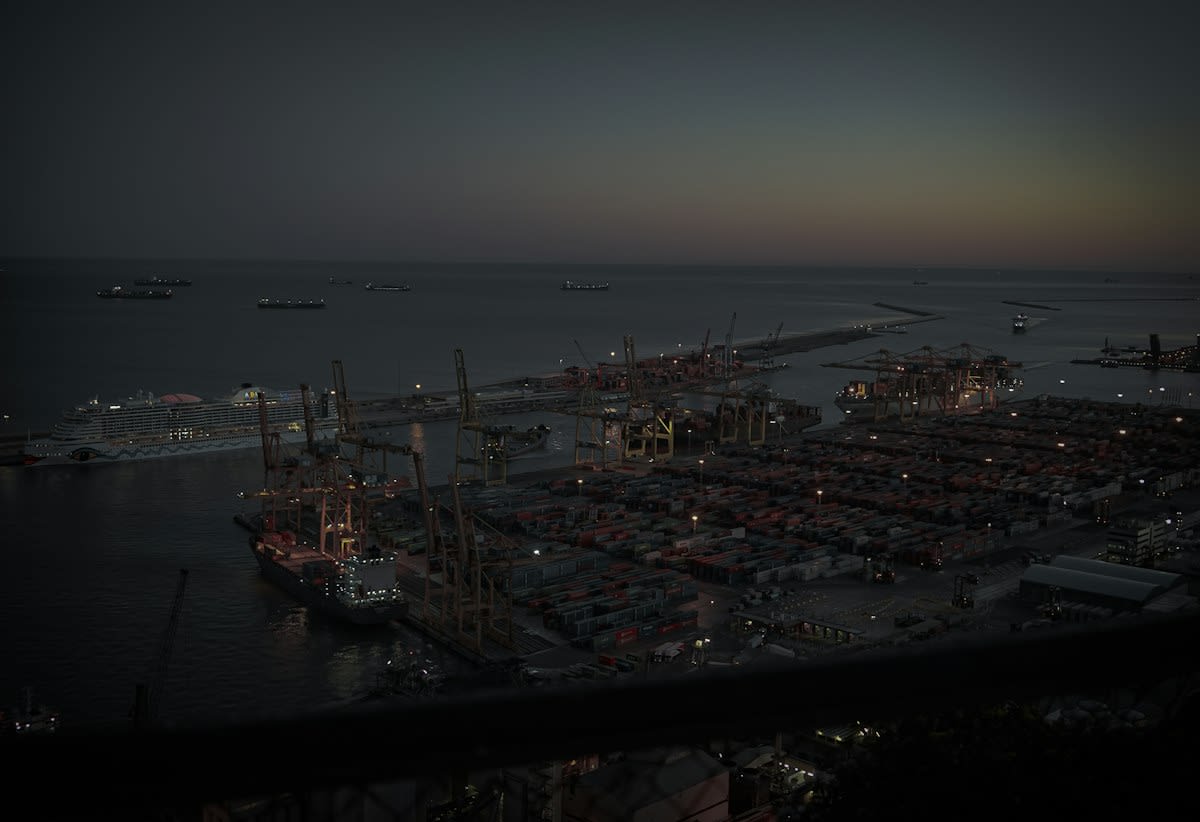
Do we actually know what we buy? Most believe the price tag reflects the sum of production, logistics, and profit. They are wrong. Global trade functions by externalizing the most grueling costs to regions where oversight is a suggestion rather than a rule. We call these ghost acres—the invisible land, labor, and capital that support a lifestyle without appearing on a ledger. The transaction is clean; the origin is not.
This invisibility is not an accident. It is a requirement for the current speed of commerce. When a consumer in London buys shrimp or a tech firm in New York sources a battery, they are interacting with a curated slice of reality. The actual terrain is a fray of contradictions where high-tech demand meets primitive exploitation. We have built a global economy that thrives on the ability to ignore the coordinates of its own sustenance.
The Human Ghost Acre: Shrimp and Forced Labor
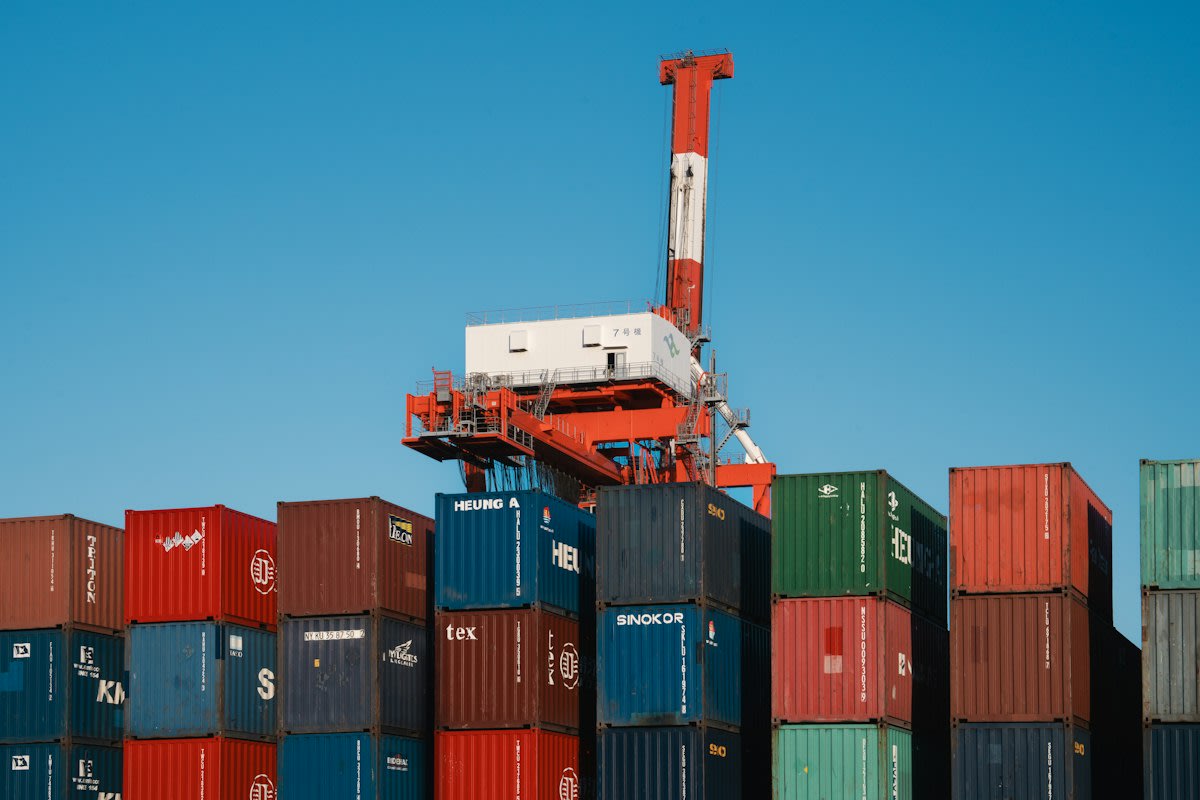
Consider the aquaculture industry in India. The Nekkanti shrimp case reveals a grim reality hidden behind corporate certifications. Evidence suggests that workers are trapped in situations of forced labor, creating a human cost that is never factored into the market price (Source: NYU Stern Center for Business & Human Rights, 2026). The US Department of State identified indicators of forced labor in shrimp facilities within Andhra Pradesh in its 2024 Trafficking in Persons Report (Source: NYU Stern Center for Business & Human Rights, 2026). This is a ghost acre of human suffering.
"This evidence strongly suggests workers are in situations of forced labor."— Isabelle Glimcher, NYU Stern Center for Business & Human Rights
The Department of Labor further solidified this by adding Indian shrimp to its 2024 List of Goods Produced by Child Labor or Forced Labor, specifically highlighting worksites in Andhra Pradesh (Source: NYU Stern Center for Business & Human Rights, 2026). Why does this persist? Because the supply chain is designed to hollow out accountability. By the time the product reaches the International Trade Commission, the link to the forced laborer has been severed by a dozen intermediaries.
The Material Void: Hidden Mineral Chains
The digital economy relies on critical minerals that are effectively ghosts in the machine. These materials are often hidden within global supply chains and do not appear prominently in national trade statistics in their raw form (Source: UK Parliament, 2026). This opacity allows nations to maintain a facade of security while remaining dangerously dependent on volatile sources. It is a game of strategic blindness.
The risk is quantifiable. Between 2022 and 2024, 16% of global trade in critical minerals faced at least one export restriction (Source: UK Parliament, 2026). When a resource is 'hidden,' its scarcity becomes a weapon. The UK's National Security Strategy 2025 emphasizes the need for security in a dangerous world, yet the raw materials for that security remain obscured (Source: UK Parliament, 2026).
| Metric | Value | Source/Period |
|---|---|---|
| Global Trade in Critical Minerals facing Restrictions | 16% | UK Parliament, 2022-2024 |
| US Settlement Cycle Shift | T+1 | ViewTrade, May 2024 |
| Demand for Third-Party Infrastructure (Q1 2025) | +164% | ViewTrade, 2025 |
This mineral opacity creates a structural break in how we calculate national wealth. We count the finished electronic device as an asset but ignore the ecological and political debt incurred during the extraction of the minerals. The ghost acre here is the degraded land in the Global South that never appears on a Western balance sheet.
The Financial Ghost Acre: The T+1 Tax
Friction is not just physical; it is temporal. On May 28, 2024, US settlement moved to T+1 (Source: ViewTrade, 2026). For firms operating far from New York, this shortened window to fund trades and convert currency is a hidden tax. The global FX division of GFMA warned that FX-dependent funding might not arrive in time, forcing firms to adopt pre-funding and larger cash buffers (Source: ViewTrade, 2026). These buffers cost money.
The cost is escalating. In the first quarter of 2025, the demand for third-party infrastructure to handle these complexities rose by 164% compared to the same period in 2024 (Source: ViewTrade, 2026). This creates a new layer of intermediaries. Each intermediary adds to the total cost of the arrangement, yet these costs are rarely passed directly to the end investor in a transparent way. They are absorbed into the friction of the system.
The Insider's View: The War Over Transparency
Inside the procurement offices of global firms, a quiet war is being waged. Compliance officers demand traceability to avoid the legal fallout of forced labor lists. Procurement managers, however, prioritize the lowest landed cost. This creates an invisible friction: the 'compliance gap.' Practitioners know that a supplier's certificate of origin is often a piece of paper with no grounding in reality. The dispute isn't about whether forced labor exists, but about how much evidence a firm needs before the cost of switching suppliers outweighs the risk of a lawsuit.
This is where the ghost acres are managed. The goal is not always to eliminate the exploitation, but to ensure the exploitation is sufficiently distant from the brand. When the US Department of Labor flags a region, the response is rarely a deep audit. Instead, it is often a shift in sourcing to a neighboring region that hasn't been flagged yet. It is a shell game played with global geography.
Fact-Check & Accuracy Note
The data regarding forced labor in the shrimp industry is based on reports from the US Department of State (2024) and the US Department of Labor (2024), as cited by the NYU Stern Center for Business & Human Rights. There is an ongoing academic and legal debate regarding the efficacy of the International Trade Commission's ability to block goods based on forced labor indicators versus the need for definitive proof of coercion in every single unit of product.
The Shift Toward Accountability
We are entering an era where ghost acres are becoming visible. Regulatory frameworks are beginning to force the hidden costs back onto the balance sheet. Whether it is through the forced labor lists of the US government or the national security audits of the UK Parliament, the veil is thinning. The cost of ignoring the origin is finally becoming higher than the cost of fixing it.
The opportunity lies in the redesign of these chains. Firms that can actually prove the absence of ghost acres in their supply chains will hold the ultimate competitive advantage. Transparency will not be a moral choice; it will be a financial necessity in a world where opacity is a liability.