We have been lied to about the necessity of the air conditioner. For decades, the architectural world accepted a convenient fallacy: that the only way to maintain human comfort in extreme heat was to seal a building tight and pump in refrigerated air using massive amounts of electricity. This approach didn't solve the heat problem; it merely relocated it, dumping waste heat into the streets and deepening our reliance on a fragile power grid. But a shift is happening. The most innovative architects and engineers are now looking backward to move forward, rediscovering the dormant physics of buoyancy, thermal mass, and pressure differentials to cool structures without a single watt of power.
The Resurrection of the Solar Chimney
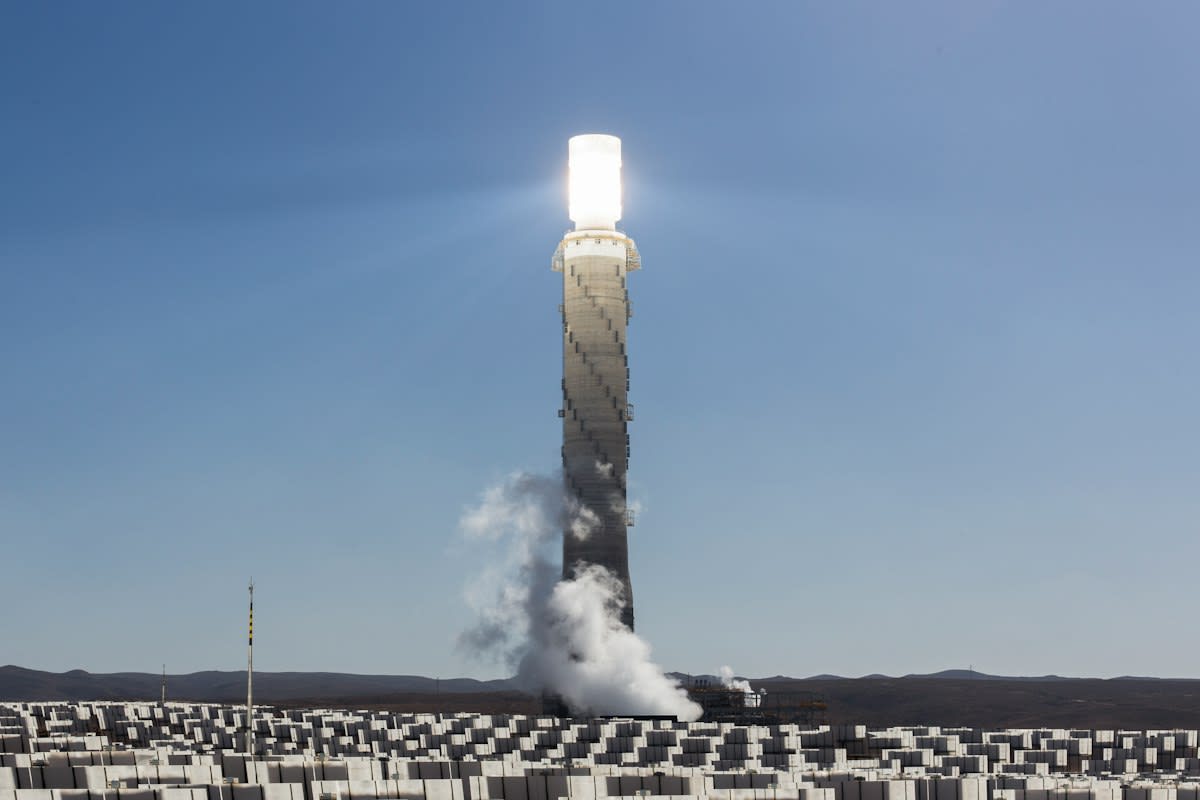
At the heart of this trend is the solar chimney—a vertical shaft that uses solar radiation to heat air, which then rises and creates a natural vacuum that pulls cooler air through the building. This isn't just theoretical. Recent research has explored the retrofitting of traditional minarets in hot, arid climates to serve as functional solar chimneys, transforming historic religious architecture into active microclimate regulation tools (Source: Ain Shams Engineering Journal, 2024). By leveraging the existing height and geometry of these structures, designers can induce a constant airflow that flushes heat from interior spaces without mechanical intervention.
"Passive ventilation and microclimate regulation in vernacular architecture, specifically retrofitting minarets as functional solar chimneys, offers a scalable path for sustainable cooling in hot arid climates."— El-Shorbagy, A., et al., Ain Shams Engineering Journal
The physics here is elegant and brutal. As the sun hits the dark surfaces of the chimney, the air inside heats up and becomes less dense, racing upward. This creates a pressure drop at the base, which sucks in cooler air from shaded courtyards or underground conduits. This is the same principle that governs the world's weather systems, scaled down to the size of a building. We are seeing this applied not just in residential homes, but in industrial settings, where greenhouse solar chimney drying facilities are being optimized for thermal aerodynamic performance to reduce operational costs (Source: Scientific Reports, 2026).
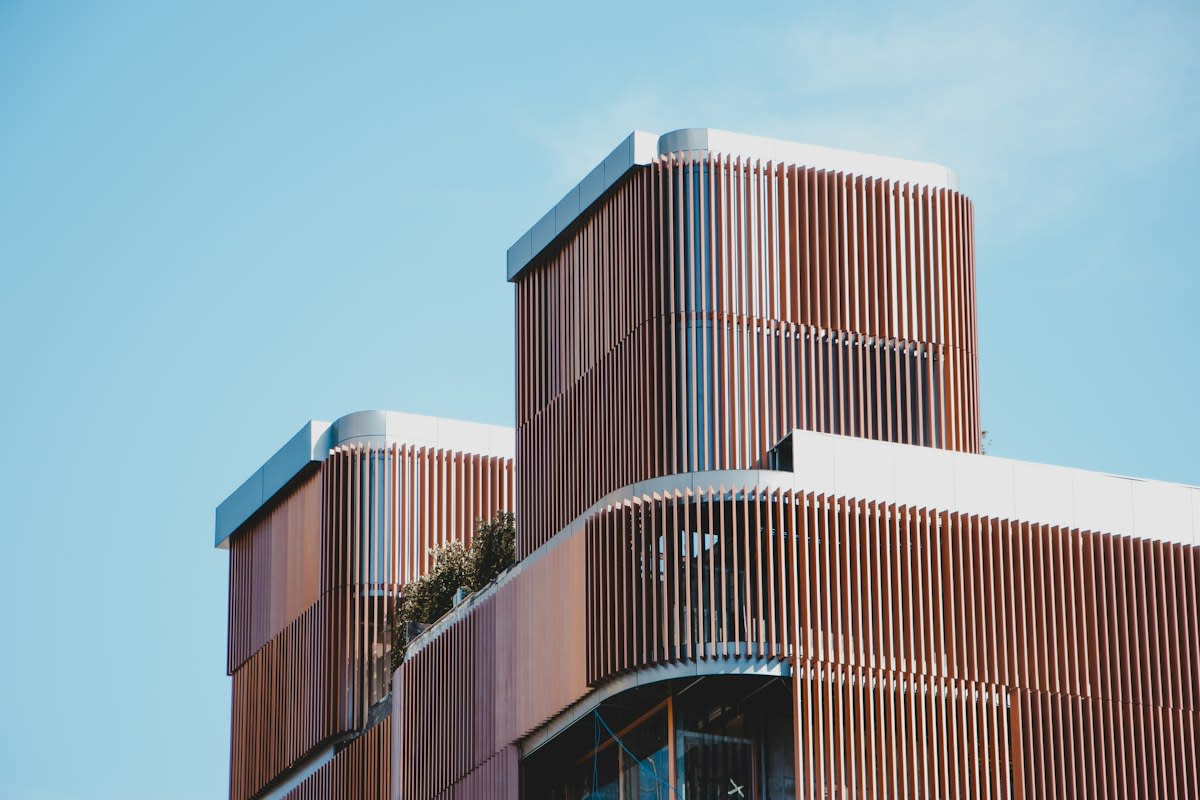
Why is this surging now? Because the cost of electricity is no longer a stable variable in building management. When energy prices spike, the operational viability of glass-walled skyscrapers collapses. The industry is pivoting toward thermal envelope optimization—the art of making the building's skin a selective filter rather than a wall (Source: U.S. Department of Energy, 2025). This involves using materials that absorb heat during the day and release it at night, coupled with strategic ventilation paths that mimic the lungs of a living organism.
Global Adoption: The Delta of Change
The adoption of these systems is not uniform; it is following the lines of economic necessity and regulatory pressure. In Europe, we are seeing a measurable acceleration. Germany is currently expanding its passive natural ventilation market at a rate of 7.7%, a trend driven by the country's powerhouse structural engineering firms and a deep academic commitment to solar updraft research (Source: FactMR, 2026). Meanwhile, the United Kingdom is registering a 6.3% CAGR, largely propelled by the BREEAM green building certifications which now reward commercial atrium ventilation retrofits that eliminate the need for constant AC (Source: FactMR, 2026).
| Region | Market Growth (CAGR) | Primary Driver |
|---|---|---|
| Germany | 7.7% | Solar Updraft Research & Engineering Firms |
| United Kingdom | 6.3% | BREEAM Certifications & Commercial Retrofits |
In Asia, the focus has shifted toward urban microclimate management. In Japan, the trend is less about individual buildings and more about how the architecture interacts with the urban grid. Research into sustainable passive architectural design benchmarks is focusing on how compact urban structures can be arranged to channel wind and reduce the urban heat island effect (Source: PLoS ONE, 2026). This systems-level thinking recognizes that a single cool building is useless if it is surrounded by heat-radiating concrete and asphalt.
This global shift represents a fundamental change in the delta of architectural priorities. Twelve months ago, passive cooling was often treated as a boutique feature for eco-resorts or high-end sustainable villas. Today, it is being integrated into commercial building codes and urban planning mandates. The urgency is driven by a realization that our current cooling infrastructure is a liability, not an asset.
The Insider's Friction: Aesthetics vs. Physics
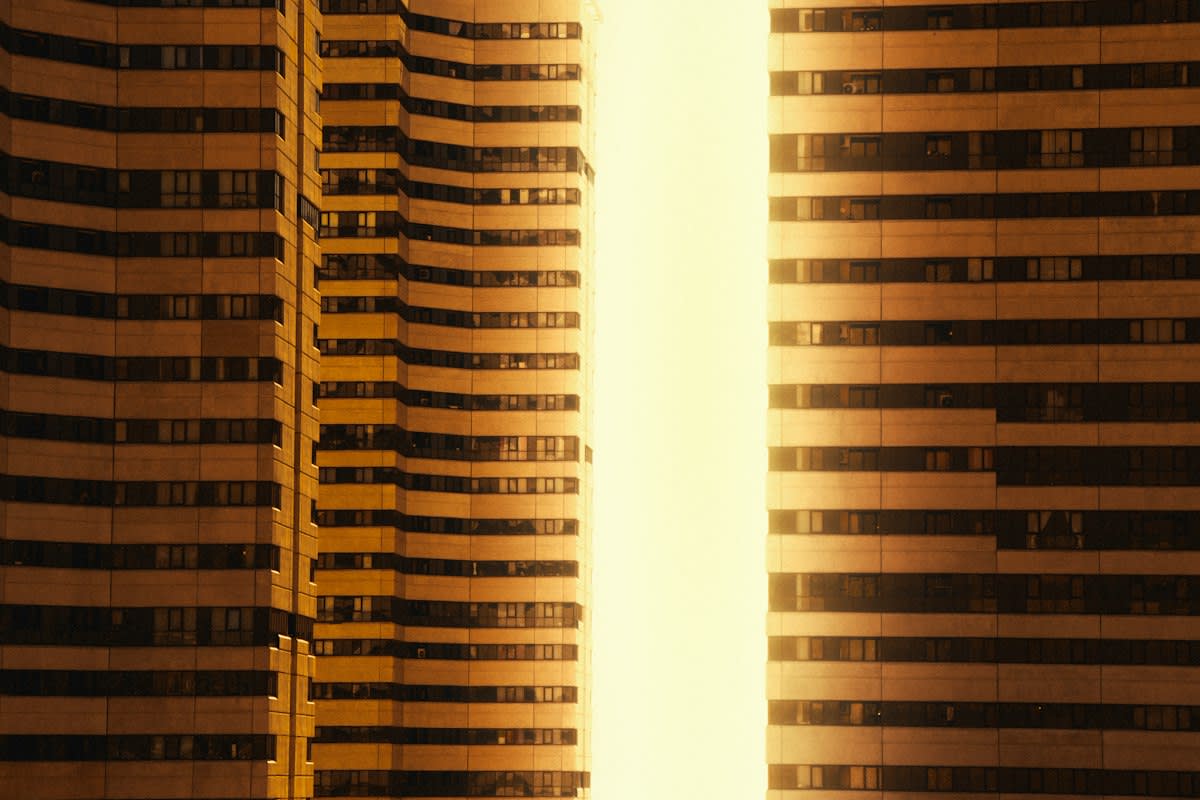
If you spend enough time in the design studios of global firms, you will hear the real debate. There is a quiet, vicious war between the aesthetic of the glass curtain wall and the physics of thermal mass. For decades, the 'international style'—essentially glass boxes—has dominated because it looks modern and corporate. But glass is a thermal disaster. The friction occurs when an engineer explains that a building needs thick walls, small apertures, and a massive central chimney to stay cool, and the architect responds that it looks too 'vernacular' or 'heavy.' The internal struggle is now moving toward a synthesis where high-tech materials are used to hide low-tech physics.
Practitioners are also battling outdated building codes that don't know how to categorize a solar chimney. In many jurisdictions, a ventilation shaft that isn't powered by a fan is viewed as a fire risk or a zoning violation. The real work of the passive cooling movement isn't just in the physics—it is in the bureaucratic slog of rewriting the rules of construction to allow buildings to breathe again.
The financial incentive is finally aligning with the physical reality. As electricity costs rise, the shutdown periods for high-energy facilities are increasing, as seen in specialized research centers where power constraints have forced changes in operational schedules (Source: Elettra Highlights, 2025). When the cost of keeping the lights and the AC on becomes a primary constraint on productivity, passive physics stops being a 'green' preference and starts being a business imperative.
Fact-Check & Accuracy Note
Key claims regarding the growth rates in Germany (7.7%) and the UK (6.3%) are sourced from FactMR (2026). The technical application of minaret retrofitting is sourced from the Ain Shams Engineering Journal (2024). Ongoing debates remain regarding the integration of these systems into dense urban centers where air rights and zoning laws limit the height and placement of solar chimneys.
The Future of Thermal Autonomy
We are moving toward a state of thermal autonomy. This doesn't mean the total abandonment of mechanical cooling—extreme anomalies still require a safety net—but it means moving AC from a primary system to a backup system. By optimizing the thermal envelope and utilizing solar-driven airflow, buildings can maintain a baseline of comfort that is entirely decoupled from the grid. This creates a resilient urban fabric where a power outage doesn't result in an immediate health crisis for the residents.
The real opportunity lies in the intersection of ancient wisdom and modern computation. With advanced fluid dynamics software, we can now model the exact airflow of a solar chimney with millimeter precision, allowing us to integrate these features into complex urban geometries that were previously impossible to manage. The hidden physics of cooling is no longer a secret of the desert; it is the new blueprint for the global city.
Editorial Note
Editorial Note: This report avoids the standard crisis-driven narrative of climate change to focus instead on the tangible engineering opportunities and market shifts currently occurring in the passive cooling sector.