‘Concrete measures’: Macron seeks to quell France’s student unrest
Source Entity
VIJAYA SRIVASTAVA
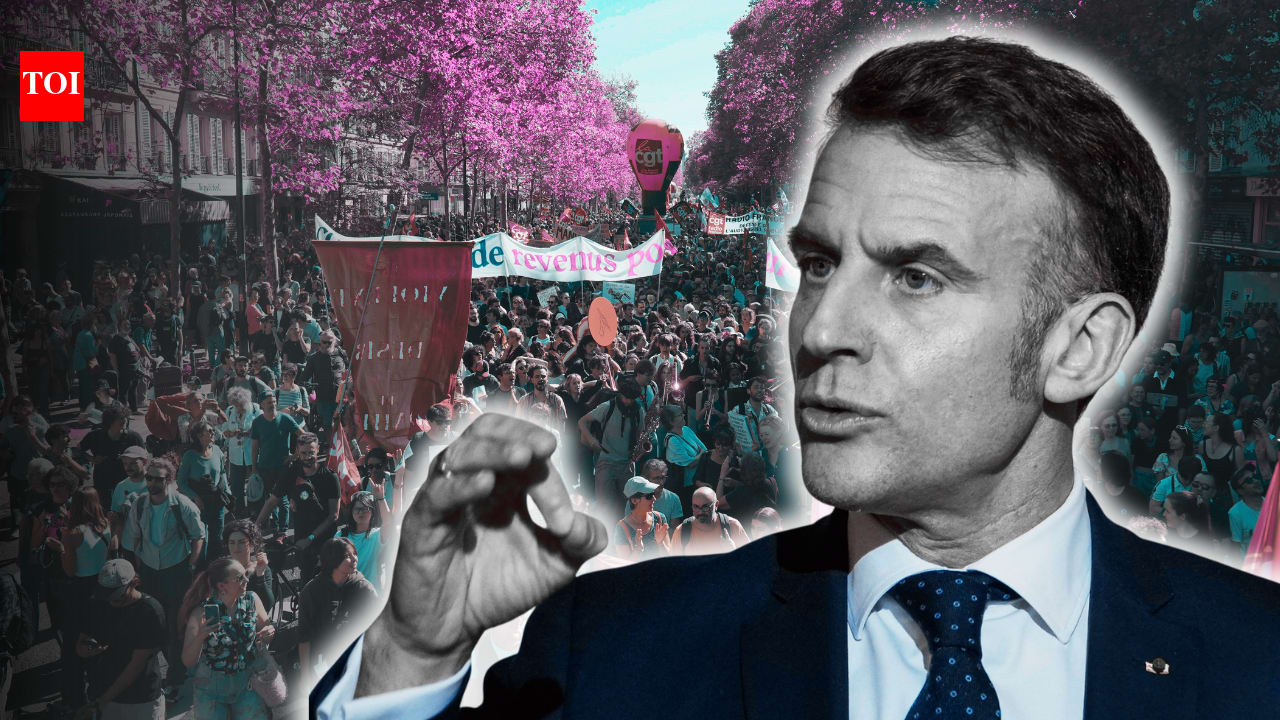
The French government has pledged to replace the controversial Parcoursup university admissions platform by 2028 following widespread student protests. The reform package includes increased funding, more student grants, and additional teaching positions to address grievances regarding access and living costs.
Addressing the Crisis in French Higher Education
The French government, under the leadership of President Emmanuel Macron, has committed to a significant overhaul of the nation's higher education system. This decision follows weeks of intense, sometimes violent, nationwide protests that saw approximately 2,400 individuals arrested. At the heart of the unrest was the Parcoursup platform, France’s national online university admissions system, which students have long criticized for its lack of transparency and perceived barriers to equal access for preferred academic courses.
The Parcoursup Controversy
For years, Parcoursup has been a lightning rod for student dissatisfaction. Critics have consistently argued that the platform's selection criteria are opaque, creating a system that fails to guarantee equitable access to higher education. By centralizing admissions, the government inadvertently created a bottleneck that students felt prioritized administrative efficiency over individual academic potential. The commitment to implement "substantial change" for the 2027 admissions cycle, followed by a complete replacement of the platform by 2028, represents a major concession by the administration to restore public trust.
Beyond Admissions: A Broader Reform Package
Higher Education Minister Philippe Baptiste has outlined a comprehensive strategy that extends far beyond the digital admissions interface. Recognizing that the protests were fueled by systemic issues, the government has promised to increase the number of available higher education places, expand student grant programs, and provide necessary funding for building renovations. These measures aim to alleviate the immediate pressure on university infrastructure, which has struggled to accommodate a growing student population.
Tackling Structural Inequality and Costs
Central to the students' grievances is the rising cost of living, which has made higher education increasingly inaccessible for many. The proposed reforms include commitments to smaller class sizes and the creation of additional teaching posts. By investing in human capital and physical resources, the government hopes to curb the frustration that led to the recent civil unrest. These steps are designed to signal that the state is committed to supporting the academic journey of its youth despite current economic challenges.
Future Implications and Policy Trends
The trajectory for French higher education over the next four years will be defined by the successful implementation of these promises. The transition away from the current Parcoursup model is a high-stakes endeavor; if the new system fails to improve transparency, further social instability is likely. The government’s ability to balance fiscal responsibility with the demand for a more inclusive and accessible education system will be a primary indicator of its success in addressing the root causes of the protests.
Conclusion
The pledge to reform university admissions and increase sector funding is a direct response to the volatility of the recent demonstrations. By acknowledging the failures of the current admissions process and committing to tangible improvements in school funding and student welfare, the French government is attempting to stabilize the educational landscape. Whether these "concrete measures" will satisfy the student movement remains to be seen, but the commitment to a total system replacement marks a pivotal shift in French educational policy.