Netanyahu Lacks Majority, Israel Opposition Has Edge, Shows 1st Exit Polls
Source Entity
NDTV News Search Records Found 1000
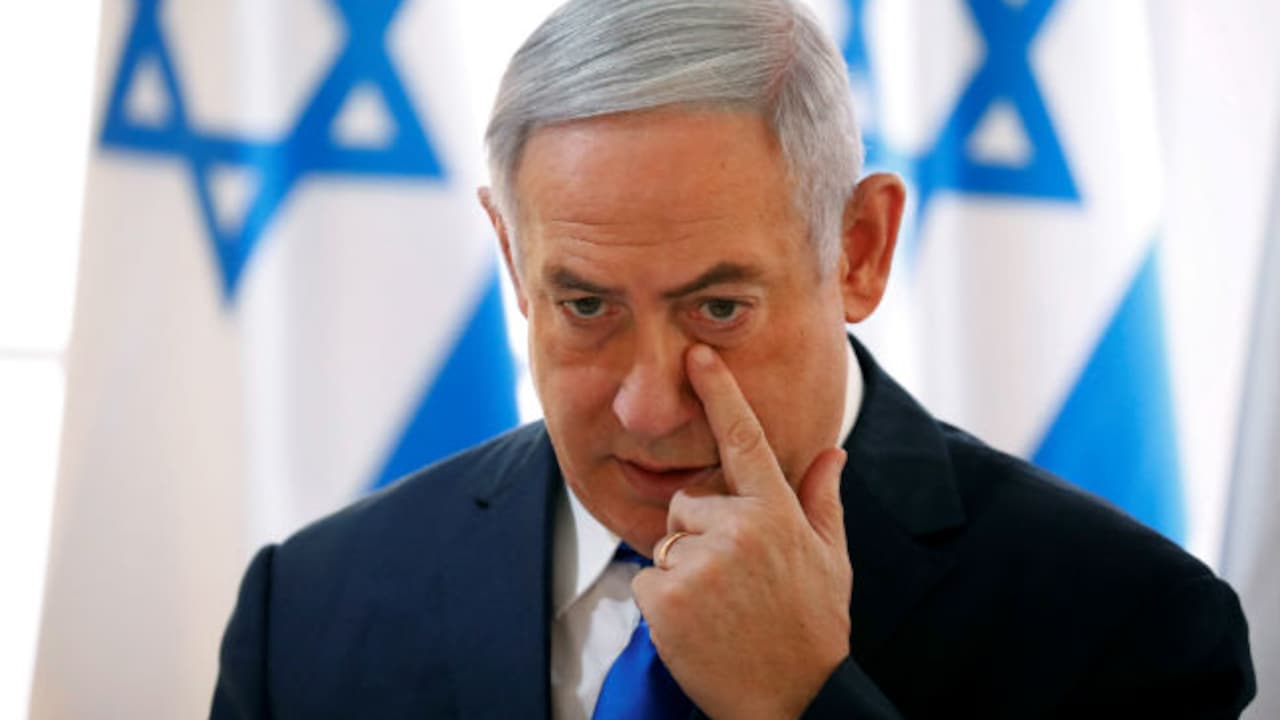
Israel faces political uncertainty as exit polls show no clear winner, leaving Benjamin Netanyahu's long-standing leadership in jeopardy. The election follows the critical October 7 attacks, which have fundamentally challenged Netanyahu's security-focused political identity.
The Crossroads of Israeli Governance
The Israeli political landscape is currently defined by deep fragmentation, as recent exit polls indicate that neither Benjamin Netanyahu nor his political rivals have secured a clear parliamentary majority. This stalemate reflects a nation deeply divided, where the traditional power structures are being tested by a volatile security environment and shifting public sentiment. The inability of any single bloc to claim a definitive victory suggests a period of protracted coalition negotiations or potential instability.
The Shadow of October 7
Central to this electoral instability is the legacy of the October 7, 2023, attack by Hamas. For decades, Benjamin Netanyahu has successfully cultivated the persona of “Mr. Security,” arguing that his leadership is indispensable for the survival of the state. However, the unprecedented breach of national security on October 7 shattered this perception, forcing a national reckoning regarding government accountability, intelligence failures, and the efficacy of current defense strategies. This event has become the pivot point upon which his entire political career now rests.
Political Rhetoric and Crisis Management
In response to the waning support and the existential threat to his tenure, Netanyahu has framed the election as a “matter of life or death” for the Israeli right. By characterizing the electoral process as an emergency, his campaign has attempted to galvanize his base through fear and the necessity of strong leadership. The rhetoric highlights the stark polarization in Israeli society, where the contest is not merely about policy, but about the fundamental vision of the Jewish state's security and future direction.
The Challenge of Coalitions
Because the exit polls show no clear winner, the path forward remains opaque. In Israel’s proportional representation system, the formation of a government often requires complex agreements with smaller parties. Netanyahu’s rivals, including figures like Eisenkot, have leveraged public dissatisfaction with the current government to challenge his dominance. The failure of either side to gain a majority signifies that the Israeli electorate is struggling to coalesce around a singular path, further complicating the country's ability to respond to ongoing regional conflicts, including confrontations with Hezbollah.
Future Implications and Regional Stability
Looking ahead, the outcome of this election will have profound implications for Israel’s regional policy. With the country engaged in multiple fronts, the paralysis of a hung parliament could weaken the state's capacity to make decisive strategic decisions. The political future of Netanyahu, who has long been the face of Israeli governance, is now in doubt, signaling a potential shift in the nation's political trajectory. Whether the electorate chooses a new direction or attempts to restore the status quo, the internal pressure for accountability remains the defining feature of this historic moment.
Multiple Citing Sources
Verification Required?