King Charles to discuss legacy of slavery with Commonwealth leaders at summit
Source Entity
Natricia Duncan Caribbean correspondent
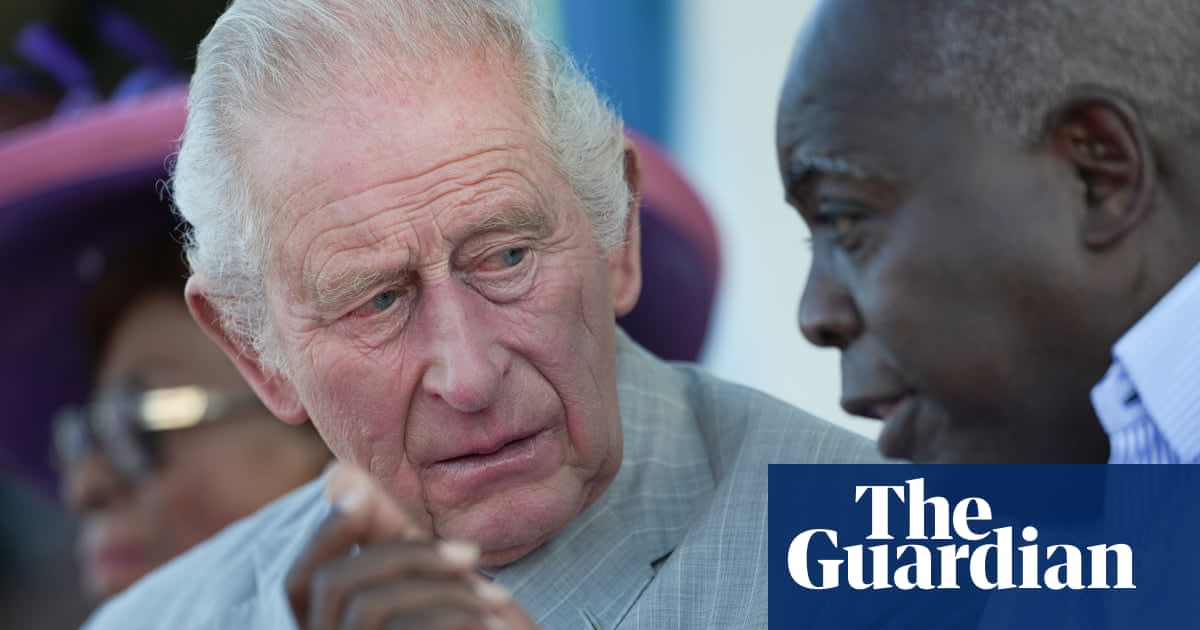
King Charles III has begun a nine-day Caribbean tour, focusing on acknowledging the historical suffering of the slave trade while navigating complex calls for reparations. The visit includes stops in the Bahamas, Guyana, and Antigua and Barbuda, where the King will address Commonwealth leaders on these sensitive colonial legacies.
A Royal Diplomatic Mission Amidst Historical Reckoning
King Charles III has officially commenced a nine-day tour of the Caribbean, marking his first visit to the region as monarch. Arriving in the Bahamas, the King received a formal ceremonial welcome from Governor General Dame Cynthia A. Pratt and Prime Minister Philip Edward. This diplomatic journey, which includes scheduled stops in Guyana and Antigua and Barbuda, represents a pivotal moment for the British monarchy as it attempts to engage with the complex and often painful history of the British Empire.
Confronting the Legacy of Slavery
The central tension of this tour revolves around the enduring legacy of the transatlantic slave trade. Buckingham Palace has signaled that the King intends to acknowledge the "great suffering of the past" during his visit. This acknowledgement is set against a backdrop of intensifying calls from Caribbean nations for the United Kingdom to issue a formal apology for its historical role in the slave trade and to initiate discussions regarding financial reparations.
The Delicate Balance of Diplomacy
Despite the expectation that the King will address these historical grievances, the royal stance remains aligned with the current UK government position. This involves a strategic limitation: while the King will not shy away from discussing the "colonial legacy," he will not offer a formal apology nor will he commit to reparations. This distinction highlights the diplomatic tightrope the monarch must walk, attempting to foster goodwill and maintain Commonwealth ties without overstepping the constitutional boundaries set by the British government.
Symbolic Locations and Modern Challenges
Symbolism is heavy during this tour, particularly as the King visited Clifford Park in the Bahamas—the very site where the nation celebrated its independence from British colonial rule in 1973. By engaging with youth rallies and local leaders, the King is attempting to connect with the modern aspirations of these nations. Beyond historical discourse, the tour also serves to highlight contemporary existential threats, specifically the climate risks facing low-lying Caribbean islands, which remain a key priority for the monarch.
The Commonwealth Summit Context
The tour is structured to culminate in Antigua and Barbuda, where the King will preside over the Commonwealth Heads of Government Meeting (CHOGM). This summit will serve as the primary forum for the King to discuss these thorny legacy issues with international leaders. As the King continues his recovery from an undisclosed form of cancer, this rigorous nine-day schedule reflects the importance the Crown places on maintaining the integrity of the Commonwealth in an era where member nations are increasingly vocal about historical justice.
Future Implications for the Monarchy
The outcome of this tour will likely set the tone for future relations between the British monarchy and Caribbean nations. By initiating a dialogue on the suffering of the past while simultaneously addressing modern issues like climate change, the King is signaling a shift toward a more transparent, albeit cautious, engagement with history. Whether this approach satisfies the growing demand for accountability remains a critical question for the future of the Commonwealth.