Brics forum concerned over West Asia tensions, calls for max restraint
Source Entity
TNN
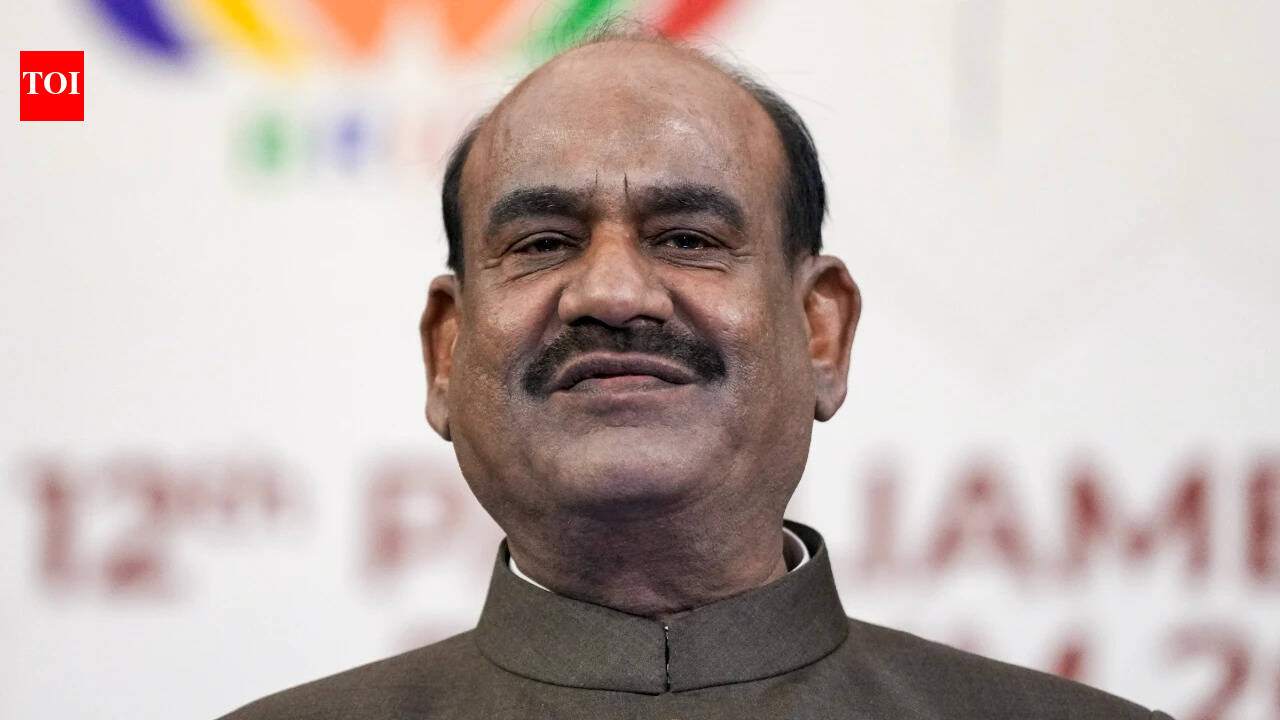
The 12th BRICS Parliamentary Forum, led by Lok Sabha Speaker Om Birla, issued a joint declaration calling for a two-state solution to the Israel-Palestinian conflict. The forum also condemned the Pahalgam terror attack and advocated for significant reforms within the United Nations Security Council.
BRICS Parliamentary Forum Addresses Global Instability
The 12th BRICS Parliamentary Forum, hosted in New Delhi and led by Lok Sabha Speaker Om Birla, recently concluded with a significant joint declaration that addresses several critical geopolitical flashpoints. The gathering brought together legislative leaders from Brazil, China, Egypt, Ethiopia, India, Indonesia, Iran, Russia, South Africa, and the United Arab Emirates to align on a collective stance regarding international security and diplomatic norms. The forum's primary focus was the escalation of hostilities in West Asia, an area of increasing concern for the diverse member nations.
Advocating for the Two-State Solution
A central component of the joint declaration is the firm endorsement of a two-state solution to resolve the long-standing Israel-Palestinian conflict. By asserting the rights of the Palestinian people to self-determination, sovereignty, and freedom, the BRICS parliamentary leaders are signaling a collective preference for a diplomatic framework grounded in international law. This unified stance reflects the forum's desire to stabilize a region currently suffering from intense military strain and humanitarian distress, urging all parties to exercise maximum restraint to prevent a wider regional conflagration.
Rejection of Unilateral Sanctions
The declaration also explicitly criticizes the use of "unilateral coercive measures" and economic sanctions within the region. The forum participants characterized these actions as contrary to established international law, reflecting a broader BRICS policy objective of challenging the dominance of Western-led economic pressure tactics. By positioning these sanctions as obstructive to peace, the forum aims to foster a diplomatic environment where regional conflicts are settled through dialogue rather than economic isolation.
Security and Counter-Terrorism Commitments
Beyond regional tensions, the forum took a definitive stance against global terrorism, specifically condemning the recent terror attack in Pahalgam, Jammu. The declaration reiterated that acts of terrorism are criminal and unjustifiable, irrespective of their motivation or origin. This condemnation serves as a cornerstone for the forum's security agenda, emphasizing that member states are unified in their intolerance for violence that threatens sovereignty and civilian safety, thereby reinforcing the need for stronger international cooperation in counter-terrorism efforts.
The Push for Global Governance Reform
An essential outcome of the 12th BRICS Parliamentary Forum is the explicit call for institutional reform within the United Nations. The member nations have identified the current structure of the UN, particularly the Security Council, as needing modernization to better reflect current global realities. This push for reform suggests that the BRICS bloc intends to play a more active role in shaping international governance and ensuring that the voices of emerging economies are more effectively integrated into the global decision-making process.
Future Implications and Conclusion
The outcomes of this forum underscore the growing influence of the BRICS parliamentary assembly in shaping international discourse. By aligning on issues ranging from the Israel-Palestinian conflict to the necessity of UNSC reform, the bloc is positioning itself as a cohesive counterweight to existing geopolitical paradigms. As the organization expands its membership and scope, its ability to influence regional stability and demand structural changes to global institutions will likely remain a defining feature of its future diplomatic engagements.