NH commuters get relief: Annual pass at Rs 1,500 in rural, Rs 3,000 in urban areas
Source Entity
DIPAK K DASH
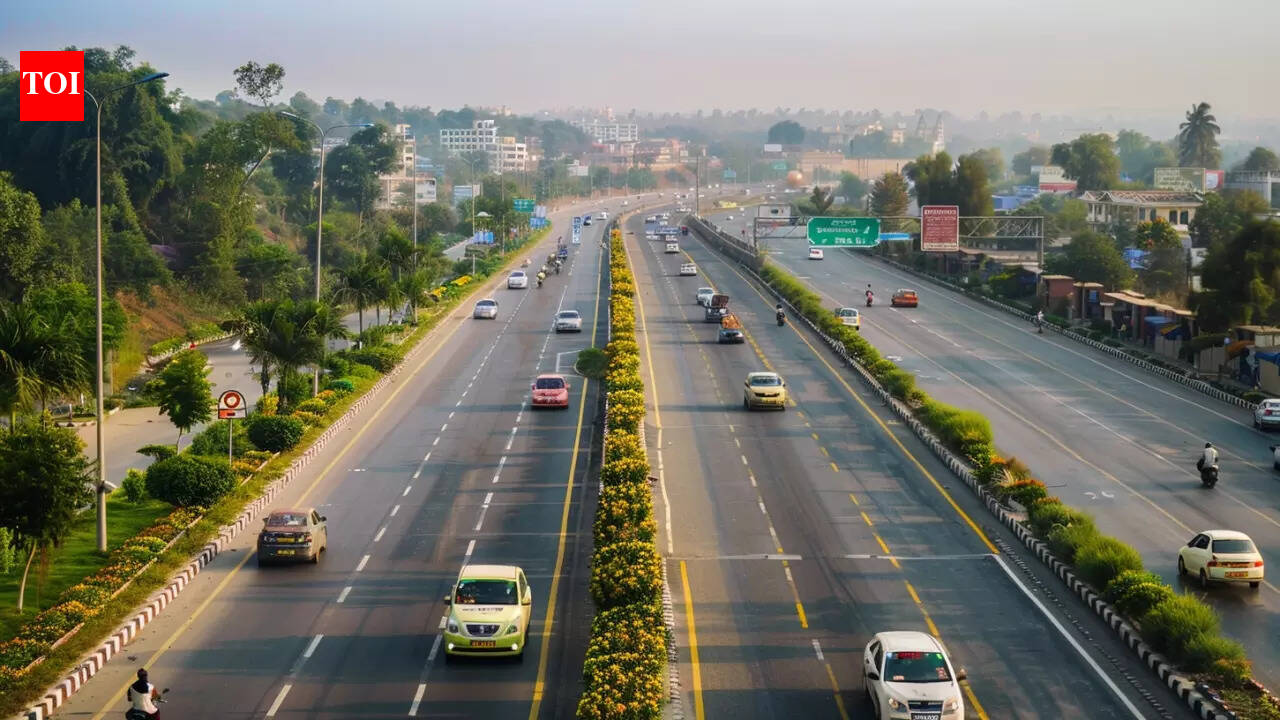
The Ministry of Road Transport has introduced new annual concessional toll passes for residents living within 20 km of a National Highway toll plaza. These passes are priced at Rs 1,500 for rural areas and Rs 3,000 for urban areas, offering significant savings over the existing monthly pass system.
Relief for Local Commuters: A Shift in Toll Policy
The Ministry of Road Transport and Highways has officially amended the National Highways Fee (Determination of Rates and Collection) Rules, introducing a significant financial incentive for frequent local commuters. By allowing residents living within a 20-kilometer radius of a toll plaza to purchase annual concessional passes, the government is addressing long-standing grievances regarding the financial burden placed on those who frequently traverse highway segments for daily professional or personal needs.
Breaking Down the Cost Structure
Under the newly notified rules, the pricing structure is bifurcated based on the geographical location of the toll plaza. Residents living within the 20 km radius can now secure an annual pass for Rs 1,500 for plazas situated outside municipal or town limits. For those residing near plazas located within municipal or local town limits, the annual cost is set at Rs 3,000. This is a substantial reduction compared to the current monthly pass system, which costs Rs 360 per month, totaling Rs 4,320 annually, representing a significant reduction in yearly transit costs for eligible citizens.
The Role of Digital Integration
This policy update relies heavily on the existing FASTag infrastructure. The Ministry has mandated that vehicle owners must possess a valid and functional FASTag registered for personal use to avail themselves of these concessions. By linking the discount directly to the FASTag ecosystem, the government is not only streamlining administrative processes but also ensuring that the transition to digital toll collection remains robust and incentivized for the public.
Broader Implications for Infrastructure and Equity
This move signifies a proactive approach by the government to balance infrastructure development with public welfare. While National Highways are essential for national connectivity, they often bisect local communities, creating economic barriers for residents who must cross them daily. By formalizing this concessional structure, the government is mitigating the socio-economic impact of toll collection on rural and semi-urban populations, fostering better integration between major transport corridors and the local economy.
Historical Context and Future Trends
Historically, toll collection policies in India have been met with resistance from local residents who feel unfairly penalized for using roads that pass through their immediate vicinity. This shift towards an annual, lower-cost model reflects a maturing regulatory framework that prioritizes user experience and affordability. Looking forward, we can expect this digital-first approach to be a blueprint for further refined toll policies, potentially leading to more dynamic, usage-based pricing models that remain sensitive to the needs of local commuter demographics.