Parking dispute, power struggle: How Tiwari and Shukla families in Lucknow turned on each other
Source Entity
Latest News: Todays Latest News Headlines from India & World | Hindustan Times | Hindustan Times
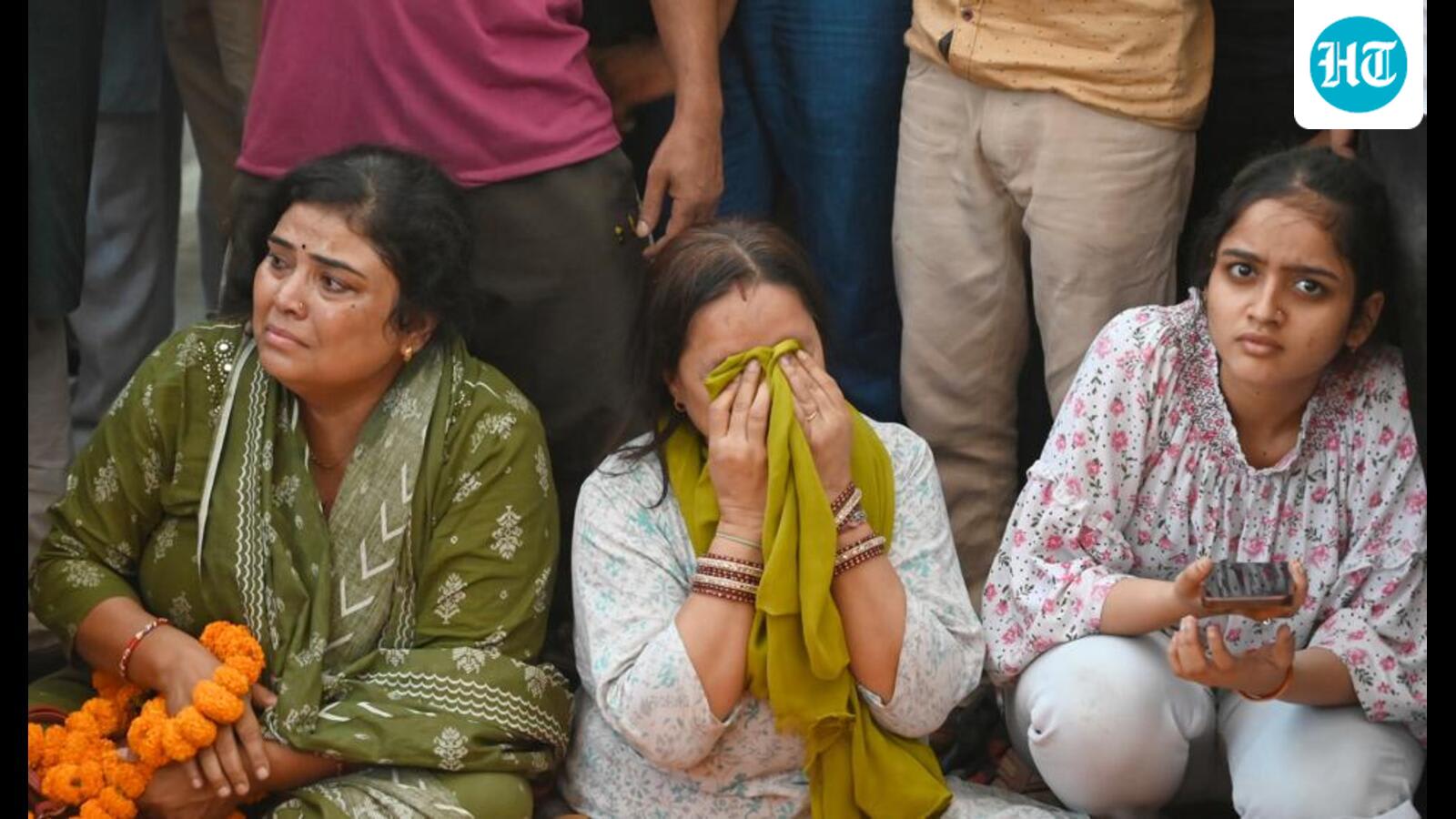
A long-standing relationship between the Tiwari and Shukla families in Lucknow’s Saadatganj ended in a deadly confrontation. The dispute, reportedly triggered by parking issues and a struggle for local influence, resulted in three deaths within the Tiwari family.
The Tragic Collapse of a Neighborhood Alliance
The recent tragedy in Saadatganj, Lucknow, serves as a grim case study on how proximity and shifting power dynamics can transform long-standing interpersonal relationships into scenes of lethal violence. The conflict between the Tiwari and Shukla families, which resulted in the deaths of Shivaji Tiwari, his son Shivendra Tiwari, and Suyash Tiwari, highlights the volatile intersection of personal history and localized social competition.
From Benefactors to Adversaries
Reports indicate that the bond between these two households was once defined by mutual support and economic mentorship. The Tiwari family, historically the more established party, had provided crucial assistance to the Shuklas during their period of financial instability. This historical context makes the eventual escalation all the more jarring, as the foundation of their relationship was built on altruism rather than initial animosity.
The Catalyst: Parking and Power
While a parking dispute is often dismissed as a trivial grievance, in the context of dense urban neighborhoods like those in Saadatganj, it frequently acts as a flashpoint for deeper, unaddressed tensions. The transition from a disagreement over space to a lethal 'bloodbath' suggests that the parking issue was merely the final catalyst in a burgeoning 'contest for local influence.' This power struggle likely involved perceived social standing, community hierarchy, and control over the immediate micro-environment.
The Social Cost of Local Dominance
When families compete for dominance in local social spheres, the stakes often transcend material assets, entering the realm of ego and community status. The proximity of their homes—separated by a mere 10 metres—meant that there was no physical or emotional buffer when relations soured. The bitterness grew in a confined space, transforming childhood friendships and years of neighborly closeness into a reservoir of hostility that eventually boiled over.
Broader Implications and Future Trends
This incident underscores a recurring trend in urban India where rapid socioeconomic shifts can destabilize traditional community structures. When the social equilibrium between two families is disrupted by changing financial circumstances or new power aspirations, the lack of formal mediation mechanisms often leaves violence as the only perceived outlet. As police presence remains heavy in the aftermath, the community is left to grapple with the fragility of social cohesion in neighborhoods where personal history is deeply intertwined with competitive local dynamics.
Conclusion
The loss of three lives in the Tiwari family is a profound reminder of how quickly personal grievances can escalate when left unchecked. While the immediate trigger remains under investigation by authorities, the underlying narrative is one of a broken social contract, where the memory of past support was ultimately eclipsed by a modern, deadly pursuit of neighborhood hegemony.
Verification Required?