The Illusion of Volume
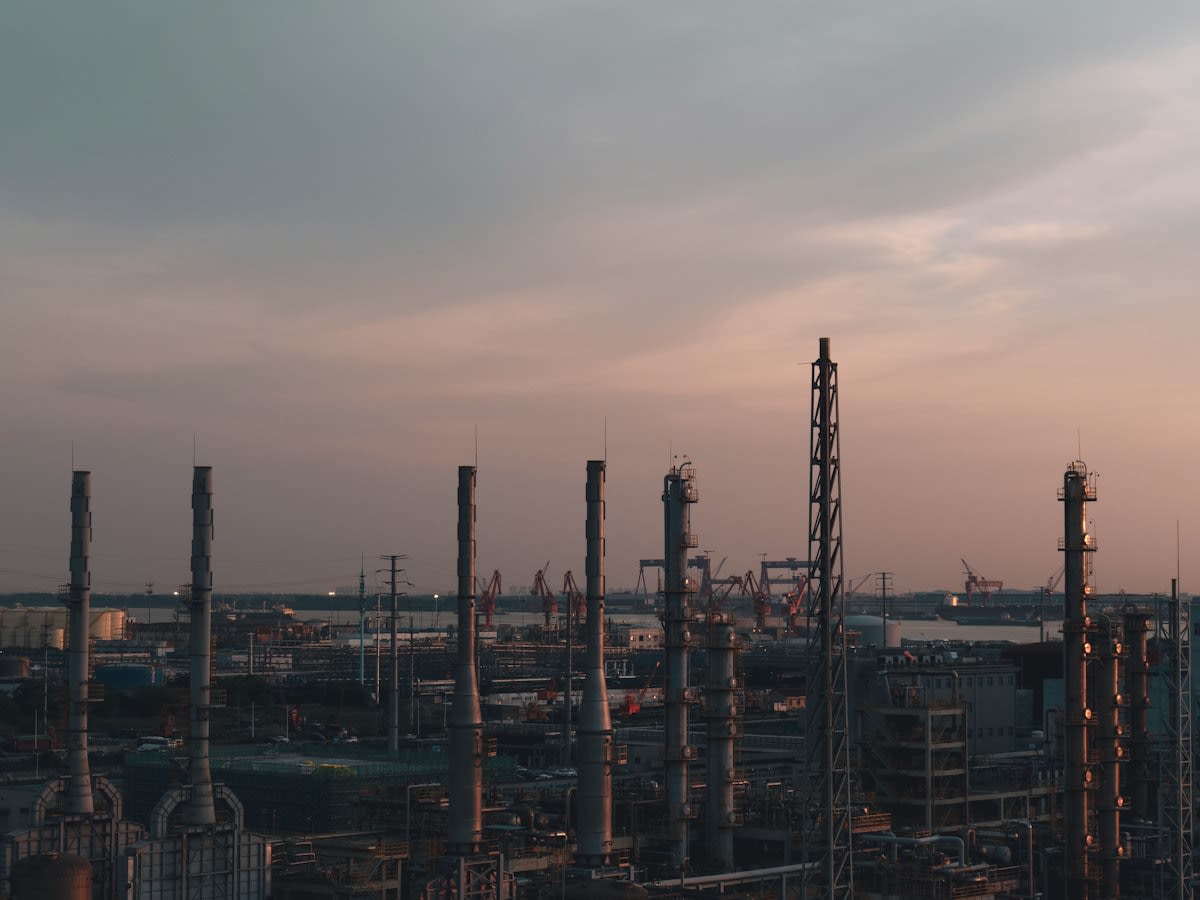
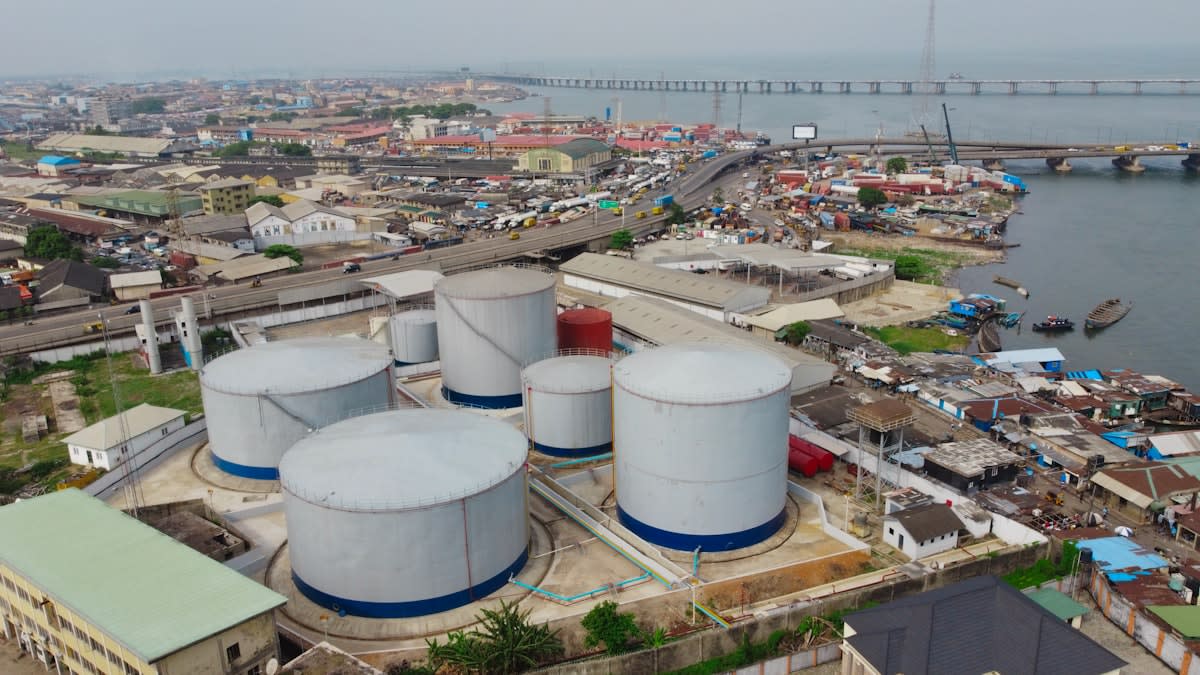
Capacity is often mistaken for stability. Aliko Dangote is doubling down on this fallacy in Lagos, signing a $400 million equipment agreement with China's XCMG. This investment aims to push the Dangote Petroleum Refinery from 650,000 barrels per day to 1.4 million barrels per day within three years. Scaling output provides a veneer of dominance, yet it increases the systemic risk of a single point of failure in Nigeria's energy architecture.
Dependence on foreign hardware creates hidden vulnerabilities. By tethering the refinery's expansion to Chinese industrial machinery, the project swaps local energy insecurity for technological dependency. True power does not reside in the volume of barrels processed, but in the autonomy of the systems that process them.
Institutionalized Fabrication
Industrialization requires more than just machinery; it requires state capture. Arridex has secured this through its Omnifactory in Lagos, West Africa's first multi-technology industrial additive manufacturing facility. This is not a mere technical achievement. It is a strategic alignment with the Nigerian Investment Promotion Commission (NIPC) and the Nigerian Upstream Petroleum Regulatory Commission (NUPRC).
Military ties solidify this grip. A joint venture with the Defence Industries Corporation of Nigeria (DICON) for military-grade components ensures that Arridex is embedded into the state's security apparatus. When industrial capability becomes state infrastructure, the incentive moves from efficiency to political preservation.
"Today, I opened West Africa’s first multi-technology industrial additive manufacturing facility in Lagos."— Governor Babajide Sanwo-Olu
This centralization of production capability mirrors a global trend of consolidating power under the guise of modernization.
The Resilience Paradox
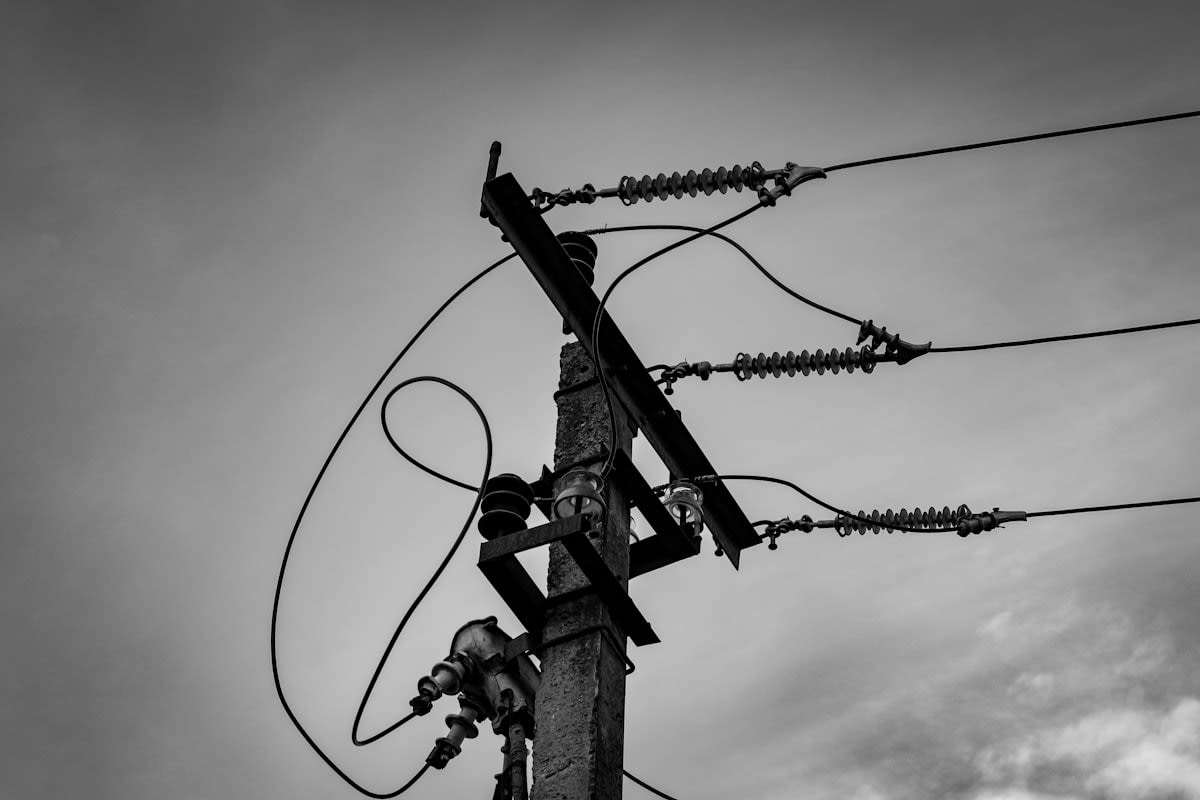
The United States provides a cautionary tale of generation without resilience. In 2023, the U.S. logged its highest number of grid emergencies and energy-conservation alerts in over a decade. Heat-driven demand and wildfire threats exposed a critical flaw: the system can generate power, but it cannot distribute it reliably under stress. Resilience is the variable that matters, yet it remains the one most ignored by capital.
| Asset/System | Scale Metric | Primary Failure Vector | Power Dynamic |
|---|---|---|---|
| Dangote Refinery | 1.4M barrels/day | Technological Dependency | Private Monopolistic |
| Arridex Omnifactory | Multi-tech AM | State Capture/Regulatory Lock | Military-Industrial |
| U.S. Power Grid | National Generation | Climate-Driven Surge | Decentralized Fragility |
| Healthcare RPM | Virtual Wards | Cyber-Attack/Network Outage | Digital Dependency |
Similar vulnerabilities plague the healthcare sector. Nature reports a push toward Digital Twins (DTs) to support remote patient monitoring and hospital-at-home systems. These virtual models are designed to maintain clinical management when primary systems fail. The admission that network outages and cyber threats can compromise patient safety is a tacit confession that our digital infrastructure is a house of cards.
While the elite build digital twins and massive refineries, the marginalized are forced to build their own resilience.
Survival at the Margins
Johannesburg's Alexandra township operates on a different logic entirely. Here, urban farming is not a lifestyle choice but a survival mechanism for the poorest households. These community cooperatives use kitchen plots and school gardens to feed the homeless and orphans. This is organic resilience born of necessity, contrasting sharply with the top-down, capital-intensive projects in Lagos.
Investment flows to the refinery, not the garden. The disparity reveals the systemic bias of global industrialization: we prioritize the scaling of profit-generating assets over the resilience of life-sustaining ones. The result is a world that can refine millions of barrels of oil but cannot ensure a stable power grid or food security for its urban poor.