
Is the bug-based protein revolution actually a climate trap? For a decade, the narrative has been simple: replace cows with crickets to save the planet. It sounds efficient. It looks green on a slide deck. But the reality is far messier. We are attempting to industrialize a biological web we barely understand, using technology that is currently failing in the field. When you scale an inefficient process, you do not solve a problem; you amplify it.
The Biodiversity Blind Spot
Industrial farming requires standardization. You cannot have a global supply chain if every batch of protein varies by region or species. Yet, our understanding of the raw material is laughably incomplete. A recent statewide survey in California revealed that scientists had drastically underestimated insect diversity. Previous estimates suggested between 26,000 and 100,000 species, but new research documented 60,000 unique species across the state (Source: Ecography, 2026). The shock is not the number, but the gap. Researchers believe these 60,000 species represent only two-thirds of the state's true biodiversity (Source: Ecography, 2026).
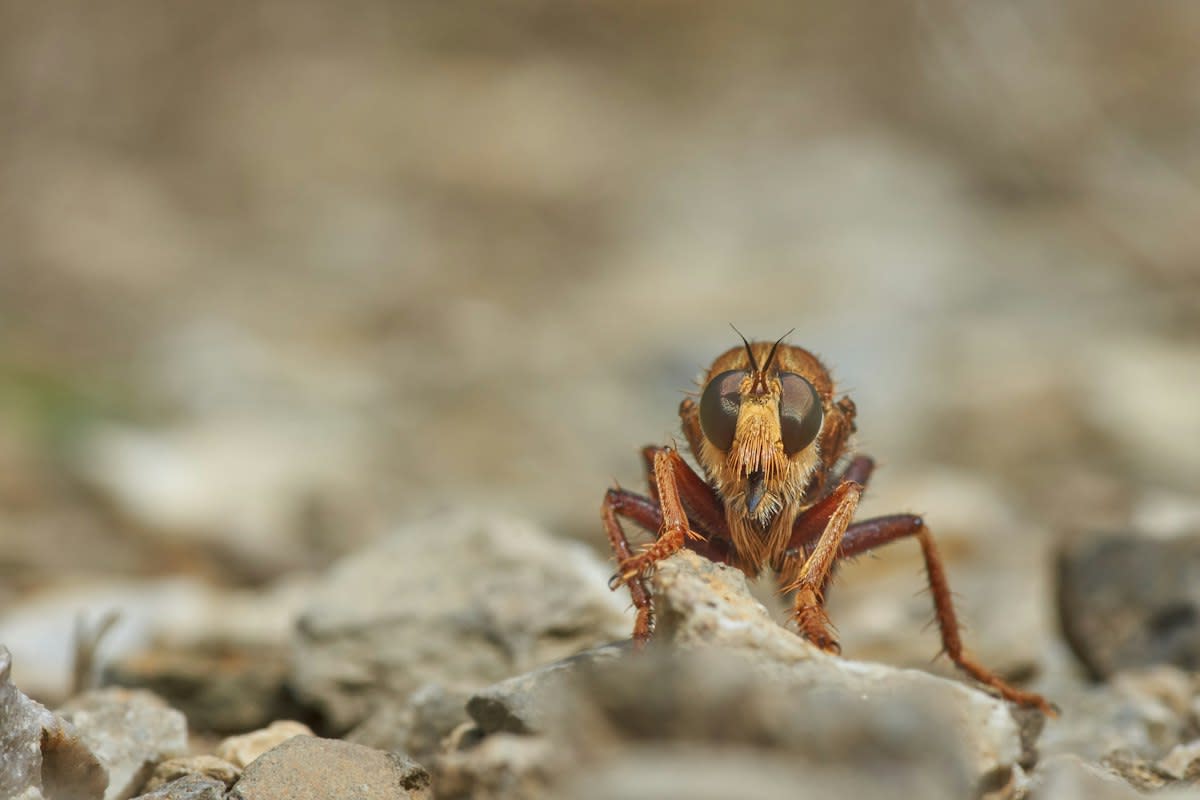
Why does this matter for carbon debt? Because industrialization demands the eradication of this variety. To create a 'protein crop,' companies must isolate specific species and create monocultures. This process ignores the ecological services provided by the other one-third of unknown species. When we replace a diverse, wild insect population with a sterile industrial colony, we destroy the natural carbon sequestration and pollination cycles. We are trading a complex, self-sustaining system for a high-energy, artificial one.
"Each site will have some insects that aren't really found in other places, and even for the species that can be found in other sites, they'll either be much more or much less abundant."— Research Finding, Ecography (2026)
This regional specificity is a nightmare for scaling. If every site is different, the energy required to transport feed and maintain climate-controlled environments across different latitudes increases. The carbon cost of maintaining these artificial environments often outweighs the savings from not raising cattle. We are building a global industry on a foundation of biological ignorance.
The Precision Ag Collapse
Proponents of insect farming argue that AI and precision agriculture will optimize the process. The data suggests otherwise. In the United States, the share of farms using precision agriculture actually fell from 27% to 22% between 2023 and 2025 (Source: FarmBot Tech, 2026). This is a staggering retreat. It happened even as the technology improved and costs dropped. If the most advanced farmers in the world are abandoning precision tools, why do we believe these tools will suddenly make insect farming carbon-neutral?
The decline is a symptom of a mechanical failure in how AgTech is designed. A white paper titled 'AI Adoption in Agriculture: Why the Gap Persists and What Must Change' highlights a critical flaw (Source: FarmBot Tech, 2026). The technology used to turn satellite observations into farm-level guidance was not built for the farmer. Instead, it was built for the agencies and insurers who verify land claims (Source: FarmBot Tech, 2026). This creates a massive gap between the data being collected and the actions being taken on the ground.
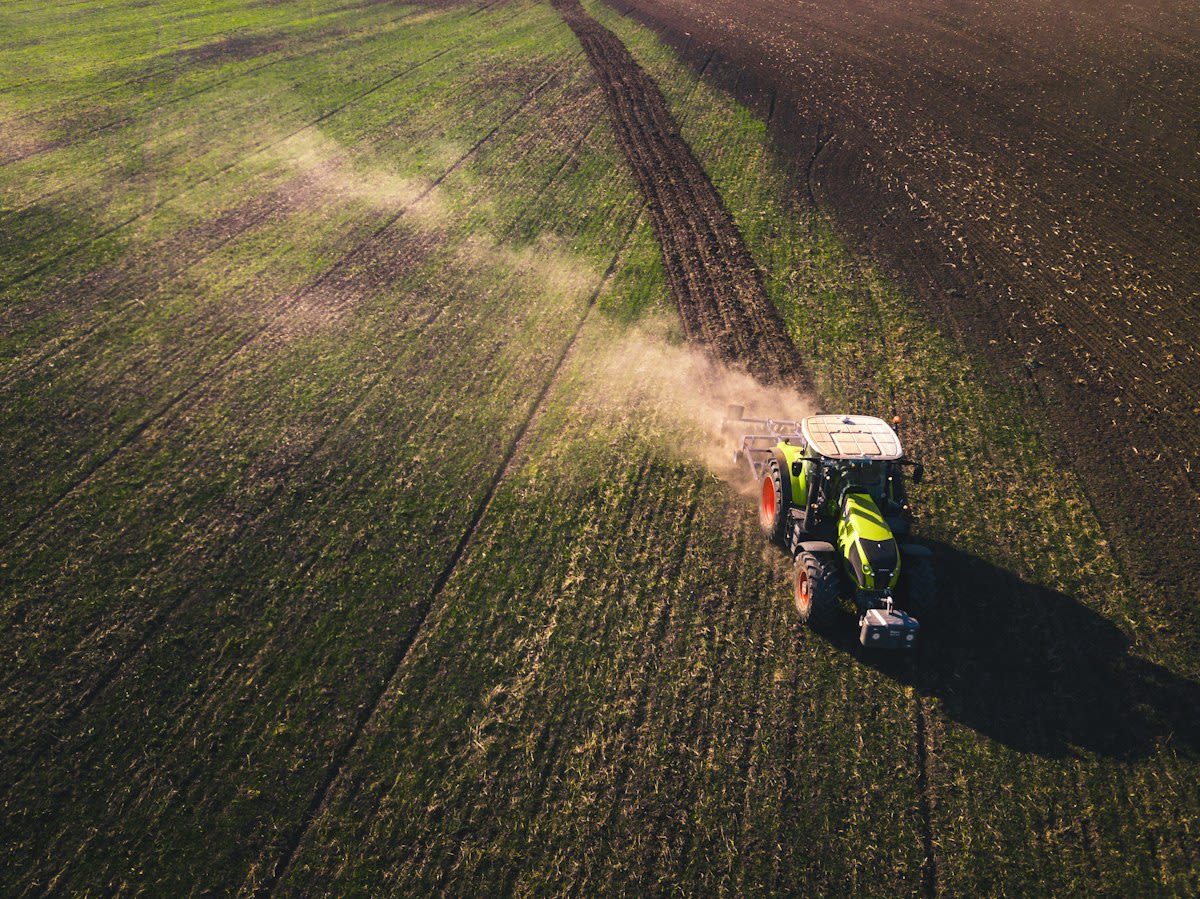
This is where the invisible clash happens. I have spoken with operators who see the 'precision' dashboards as mere theater. The software tells them what the insurer wants to see, not how to reduce energy waste. In the context of insect farming, where temperature and humidity must be precise to avoid colony collapse, this disconnect is fatal. An incorrectly calibrated sensor in an industrial insect facility does not just lower yield; it wastes megawatts of power, driving the carbon debt higher.
Economic Instability and the Carbon Cost
Financial instability is the final nail. US farm bankruptcies rose 46% in the same period that precision ag adoption fell (Source: FarmBot Tech, 2026). This economic volatility means that new 'green' ventures are often underfunded or reliant on short-term venture capital. When a facility faces a financial crunch, the first things to go are the expensive, low-carbon optimization systems. They revert to the cheapest, most carbon-intensive methods just to keep the colonies alive.
| Metric | 2023 Value | 2025 Value | Trend |
|---|---|---|---|
| US Precision Ag Adoption | 27% | 22% | Declining |
| US Farm Bankruptcies | Baseline | +46% | Increasing |
We are seeing a pattern across the US, EU, and UK. The divide is widest in livestock and satellite data (Source: FarmBot Tech, 2026). Since insect farming is essentially a high-density livestock operation reliant on precise environmental data, it sits exactly in the crosshairs of this failure. We are trying to launch a carbon-saving industry using the very tools and economic structures that are currently collapsing.
The delta between 2023 and 2025 proves that technology alone cannot solve the carbon problem. The drop from 27% to 22% in adoption shows that the 'efficiency' promised by AgTech is often a mirage. If we apply this failure rate to insect protein, the result is a net increase in carbon debt. We build the factories, we deplete the wild biodiversity, and then we find that the tools to run them efficiently are broken.
Fact-Check & Accuracy Note
The claim that insect protein reduces carbon debt relies on the assumption of perfect efficiency. However, data from FarmBot Tech (2026) shows a decline in precision agriculture adoption (27% to 22%) and a 46% rise in farm bankruptcies. This suggests that the infrastructure required to make insect farming 'green' is currently failing. Furthermore, the Ecography (2026) study indicates we only understand a fraction of insect biodiversity, meaning industrial monocultures may cause unforeseen ecological carbon losses.
Editorial Note
This analysis focuses on the intersection of AgTech failure and biodiversity gaps. It intentionally excludes medical data regarding neurodegenerative diseases present in the research set, as they do not pertain to the carbon debt of insect consumption.