
For years, the corporate world treated plastic credits like a get-out-of-jail-free card. The logic was simple: produce a ton of plastic, pay a third party to remove a ton of plastic from a beach in Southeast Asia, and claim plastic neutrality in the annual report. But this alchemy is failing. We are seeing a fundamental shift where the very instruments used to signal sustainability are now being flagged as liabilities by auditors. Why? Because the gap between a purchased credit and a verifiable reduction in a company's own supply chain is now an abyss that assurance providers refuse to bridge.
The industry is moving toward absolute reduction. Take the case of ENNOVI, which shifted its focus from offsetting to eliminating waste at the source. By installing water dispensers and mandating reusable containers, they eliminated approximately 2.5 tons of plastic waste annually, an increase from the 2.15 tons removed in FY2024 (Source: ENNOVI Sustainability Report 2025). This is not a marginal gain; it is a strategic pivot. When a company can prove it stopped 2.5 tons of plastic from ever existing, that carries an assurance value that a thousand plastic credits cannot match.
The Traceability Trap
If you spend twenty years in this field, you learn that the most dangerous word in a sustainability report is 'estimated.' Auditors are now hunting for precision. The ALRO Group demonstrates the new gold standard by maintaining a document traceability grade of 100% for both 2024 and 2025 (Source: ALRO Group Sustainability Report 2025). When every piece of polyethylene (PE), polypropylene (PP), and PET is tracked with surgical precision, the 'estimated' impact of a plastic credit looks like a gamble. How can a Chief Sustainability Officer sign off on a neutrality claim when the credits they bought lack the same 100% traceability as their own waste stream?
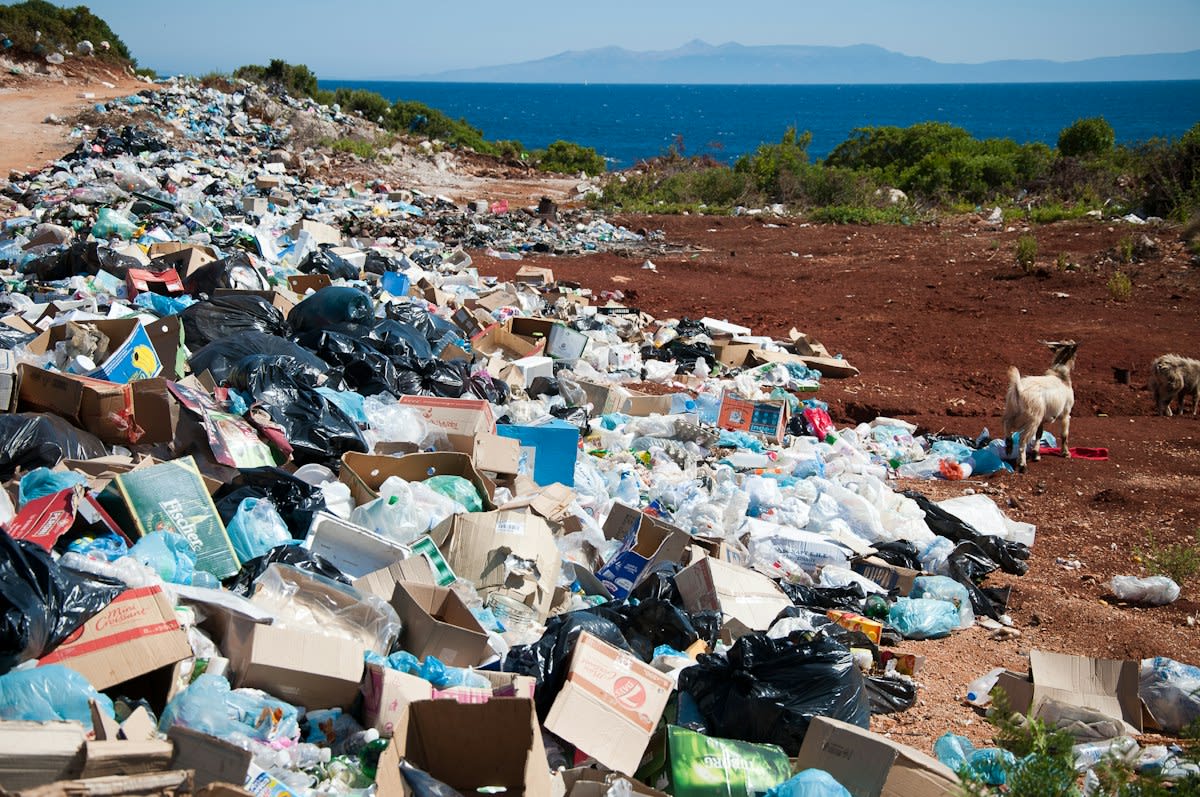
This shift creates a paradox. Companies that invested heavily in the credit market are now finding those assets stranded. They are essentially holding coupons for a game that the regulators have stopped playing. The focus has moved to the 'Internal Delta'—the measurable difference in a company's own footprint. For instance, ENNOVI didn't just report a number; they tracked their progress from a 47% goal achievement rate to 55% (Source: ENNOVI Sustainability Report 2025). This trajectory is what auditors want to see: a trend of internal improvement, not a flat line of purchased offsets.
Practitioner's Insight
The internal debate in most C-suites right now is a war between Marketing and Compliance. Marketing wants the 'Plastic Neutral' badge because it sells products to Gen Z. Compliance, however, is terrified of the 'greenwashing' litigation that follows when a credit provider is found to be double-counting their plastic recovery. The friction is real, and Compliance is winning.
We must also look at how this mirrors the carbon market. The MCB Group, for example, utilized carbon credits for 16,834 tCO2e sourced from renewable energy projects in Morocco, specifically the Khalladi Wind Farm and Noor Ouarzazate (Source: MCB Group Sustainability Report 2026). While carbon credits remain a staple for Scope 1 and 2 emissions, the approach to plastics is diverging. In the same report, MCB tracks the recycling of 555 kg of plastic cards in FY26 (Source: MCB Group Sustainability Report 2026). The distinction is clear: carbon is handled as a global atmospheric commodity, but plastic is being treated as a localized operational failure that must be solved internally.
Quantifying the Shift: Credits vs. Reductions
| Metric | Plastic Credit Model | Operational Reduction Model |
|---|---|---|
| Assurance Level | Low (Third-party verified) | High (Internal audit/traceability) |
| Traceability | Opaque/Aggregated | 100% Documented (e.g., ALRO Group) |
| Impact Type | Compensatory | Absolute Reduction (e.g., ENNOVI) |
| Regulatory Risk | High (Greenwashing exposure) | Low (Compliance-driven) |
| Cost Structure | Recurring OpEx | Initial CapEx / Process Change |
Does the math actually support this migration? When you analyze the data, the answer is a resounding yes. The movement from 2.15 to 2.5 tons of eliminated waste at ENNOVI represents a tangible decrease in liability (Source: ENNOVI Sustainability Report 2025). Conversely, buying credits creates a dependency on an external provider whose methodology may be debunked tomorrow. The risk is no longer just environmental; it is financial. A 'plastic neutral' claim that is overturned by a regulator is a brand disaster and a potential legal liability.
"Our single-use plastics reduction program continues to help reduce waste across our sites... eliminating approximately 2.5 tons of plastic waste annually."— ENNOVI Sustainability Report 2025
The systemic shift we are witnessing is the 'professionalization' of sustainability. We are moving away from the era of the 'Sustainability Brochure' and into the era of the 'Sustainability Ledger.' In this new regime, the ledger only accepts entries that are directly attributable to the entity's operations. If you cannot point to the specific waste stream—as ALRO does with its PE, PP, and PET categories (Source: ALRO Group Sustainability Report 2025)—the entry is ignored or, worse, flagged as a liability.
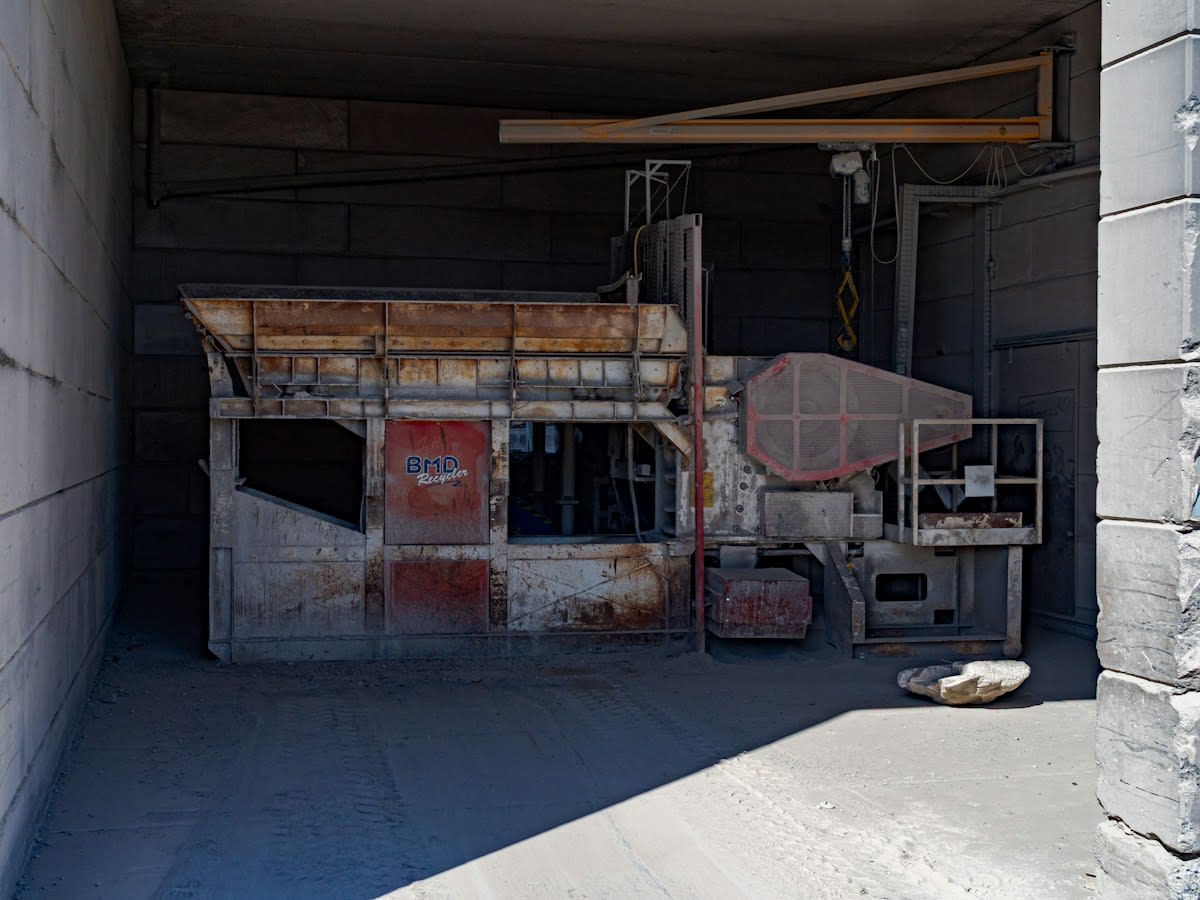
Consider the trajectory of e-waste as a parallel. MCB Group saw e-waste collection jump from 2,485 items in 2024 to 7,304 items in FY26 (Source: MCB Group Sustainability Report 2026). This wasn't achieved by buying 'e-waste credits'; it was achieved through employee campaigns and the recycling of 3,500 card payment terminals. This is the blueprint for the future of plastic management: internal mobilization and hardware-level recovery. It is harder, slower, and more expensive than buying credits, but it is the only way to survive an audit.
Ultimately, the corporate world is realizing that you cannot outsource your environmental responsibility. The 'credit' model was a bridge to get us started, but the bridge is now collapsing. The winners of the next decade will be the companies that treated sustainability as an engineering problem to be solved, not a financial problem to be offset. They will be the ones with 100% traceability and a documented history of absolute reduction.
Fact-Check & Accuracy Note
Key claims regarding waste reduction (ENNOVI), traceability (ALRO), and waste collection (MCB) are sourced from their respective 2025 and 2026 Sustainability Reports. The debate over the legality of plastic credits versus absolute reduction is ongoing across different jurisdictions, but the trend toward operational assurance is evident in current corporate reporting.