In 1967, the US set off a 29-kiloton bomb under New Mexico to free natural gas; five tests yielded 213 million cubic feet, but the gas was radioactive
Source Entity
Latest News: Todays Latest News Headlines from India & World | Hindustan Times | Hindustan Times
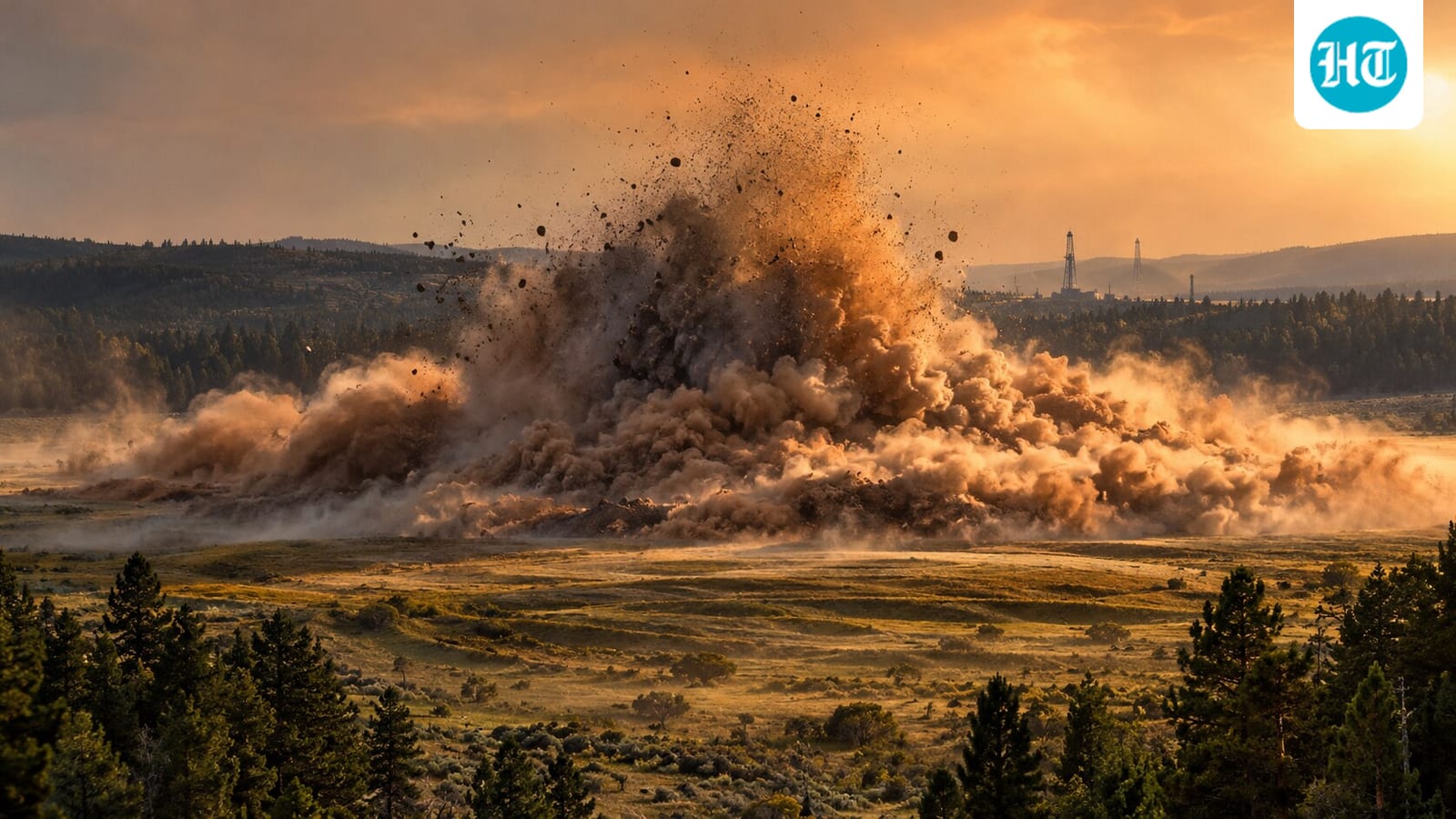
In 1967, the U.S. detonated a 29-kiloton nuclear device in New Mexico to stimulate natural gas production. While the experiment successfully produced 213 million cubic feet of gas, the resulting product was radioactive and unusable, illustrating the pitfalls of Cold War-era industrial nuclear testing.
The Legacy of Project Gasbuggy: Cold War Industrial Experimentation
In 1967, the United States embarked on an ambitious and controversial experiment known as Project Gasbuggy. Located approximately 55 miles east of Farmington within the Carson National Forest, the project involved the detonation of a 29-kiloton nuclear device 4,227 feet underground. The primary objective was to stimulate natural gas production by fracturing gas-bearing rock layers, a method proposed by El Paso Natural Gas in 1957 and executed by researchers at Lawrence Livermore National Laboratory.
The Mechanics of Subterranean Nuclear Fracturing
The technical process was designed to utilize the immense heat of a nuclear explosion to shatter dense rock formations. Upon detonation, the immediate heat vaporized the surrounding geological material, creating a temporary, high-pressure cavity. As the system began to cool, the ceiling of this cavity collapsed, creating what geologists refer to as a 'collapse chimney'—a vertical column of rubble that increased the permeability of the rock, theoretically allowing trapped natural gas to flow more freely into the wellbore.
Radioactive Contamination and Failure
While the project successfully produced 213 million cubic feet of natural gas, the outcome was fundamentally flawed. The intense heat of the blast did not merely fracture the rock; it fused it. As the cavity cooled, the melted rock solidified into a substance known as 'melt glass.' While the Department of Energy notes that much of the radioactive material remained trapped within this glassy residue due to its high melting point, the natural gas extracted from the well was nonetheless contaminated with radioactive isotopes, rendering it commercially unviable and hazardous for public use.
Historical Context of Atomic Energy
Project Gasbuggy stands as a poignant relic of the 'Plowshare Program,' a U.S. government initiative established to explore peaceful applications for nuclear explosives. During the height of the Cold War, the optimism surrounding atomic energy led scientists to consider nuclear devices for massive civil engineering projects, such as canal excavation, harbor creation, and large-scale resource extraction. This project represents a period when the perceived potential of nuclear technology often outpaced the understanding of long-term environmental consequences.
Environmental and Safety Implications
The site in Carson National Forest serves as a permanent testament to the risks associated with subterranean nuclear testing. The entrapment of radioactive materials in melt glass highlights the difficulty in containing atomic byproducts during industrial applications. Even decades later, the site remains a subject of study regarding the containment of radioactivity and the impact of deep-earth nuclear detonations on local geological stability and potential water table contamination.
Conclusion: Lessons Learned
The failure of Project Gasbuggy to provide a clean, usable energy source effectively ended the dream of using nuclear explosives for commercial resource extraction. It serves as a critical historical lesson on the dangers of applying military-grade technology to civilian infrastructure without sufficient foresight regarding radioactive byproduct management. Today, the project is remembered as an artifact of a bygone era of scientific hubris.
Verification Required?