A Florida homeowner replaced a struggling lawn with cardboard, mulch, and native plants to create a bird- and pollinator-friendly garden
Source Entity
Latest News: Todays Latest News Headlines from India & World | Hindustan Times | Hindustan Times
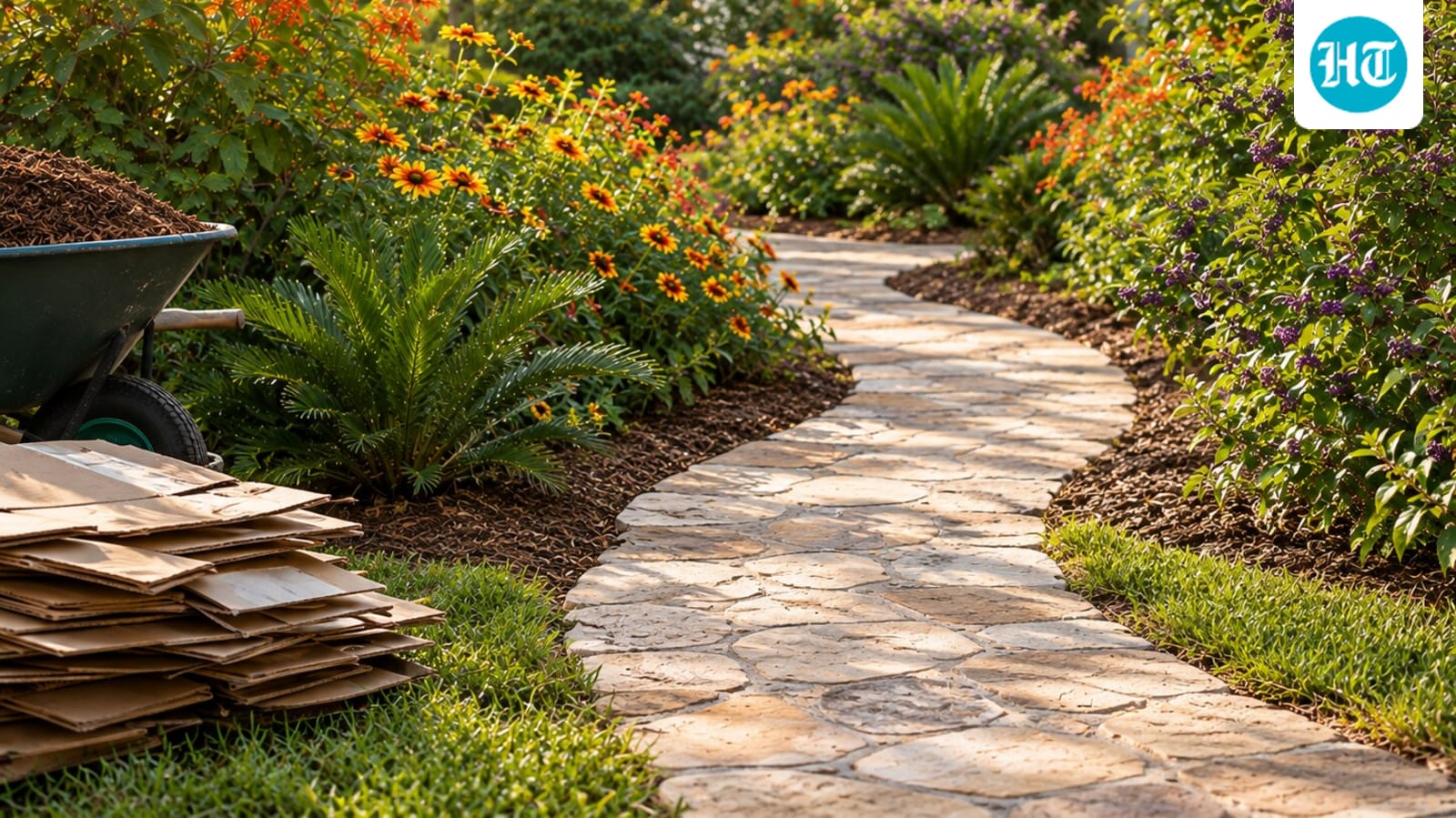
A Florida homeowner successfully replaced a traditional, high-maintenance lawn with a native, pollinator-friendly garden using cardboard and mulch. This eco-friendly landscaping trend offers a sustainable alternative to conventional lawns by supporting local bird and insect populations.
The Shift Toward Sustainable Residential Landscapes
The decision by a Florida homeowner to replace a struggling, resource-intensive lawn with a native, pollinator-friendly garden represents a growing movement in residential landscaping. By utilizing cardboard and mulch as a foundation, the homeowner effectively suppressed existing turf while preparing the soil for native flora. This method, often referred to as 'sheet mulching' or 'lasagna gardening,' is a highly effective, low-impact strategy for transitioning landscapes without the need for harsh chemicals or extensive tilling.
Ecological Benefits of Native Gardening
Traditional lawns often act as ecological 'dead zones' that require significant water, fertilizer, and maintenance while providing little value to local wildlife. In contrast, integrating native plants provides essential habitats for birds and pollinators, such as bees and butterflies. These species are critical for maintaining biodiversity and supporting the broader ecosystem. By selecting plant species indigenous to Florida, the homeowner ensures that the garden is well-adapted to local climate conditions, requiring less irrigation and fewer interventions over time.
The Mechanics of Sheet Mulching
The process of using cardboard as a weed barrier is a testament to the simplicity of sustainable land management. Cardboard effectively blocks sunlight, killing off the grass underneath and breaking down over time to enrich the soil with organic matter. Adding a layer of mulch on top retains moisture, suppresses weeds, and protects the soil structure from erosion. This technique not only recycles waste materials but also promotes a healthier, more resilient soil biology that supports long-term plant growth.
Broader Environmental Implications
As urbanization continues to fragment natural habitats, residential gardens are increasingly viewed as vital 'stepping stones' for migratory birds and pollinators. When homeowners across a region shift toward native gardening, they contribute to the creation of wildlife corridors that can sustain populations that might otherwise struggle in developed areas. This grassroots approach to conservation empowers individuals to make tangible contributions to environmental health from their own backyards.
Future Trends in Residential Landscaping
The transition from monoculture lawns to diverse, native-focused landscapes is likely to accelerate as water conservation becomes a higher priority in drought-prone regions like Florida. Experts predict that homeowners will continue to adopt these low-maintenance, ecologically beneficial strategies to reduce utility costs and minimize their environmental footprint. As awareness of the importance of native species grows, the aesthetic value of these 'wilder' gardens is also gaining wider social acceptance, shifting the cultural perception of what an ideal lawn should look like.
Summary of Impact
In conclusion, the Florida homeowner's initiative serves as a replicable blueprint for sustainable living. By transforming a struggling lawn into a thriving ecosystem, they have demonstrated that small-scale residential changes can have profound effects on local biodiversity. This approach, supported by simple techniques like sheet mulching, provides a practical and effective path forward for those seeking to contribute to environmental restoration through conscious land stewardship.
Verification Required?