Feral dogs ‘a major threat’ to vultures in Thar desert, study finds
Source Entity
India Latest News: Top National Headlines Today & Breaking News | The Hindu
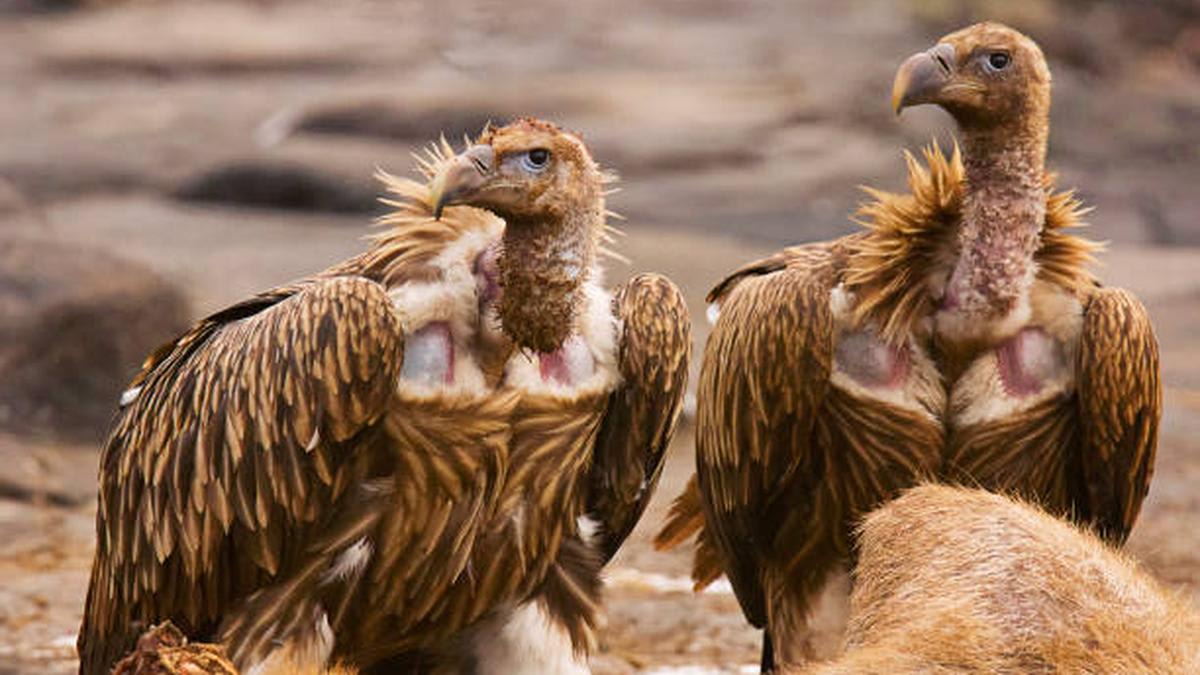
A new study reveals that feral dogs in Rajasthan's Thar desert are significantly disrupting vulture feeding behaviors at carcass dumpsites. These dogs act as a major threat to migratory species, forcing them to spend less time consuming vital food resources.
The Ecological Conflict in the Thar Desert
In the arid landscapes of Rajasthan, the Jorbeer Conservation Reserve near Bikaner serves as a critical sanctuary for avian scavengers. A recent study published in Biological Conservation highlights a growing ecological crisis: the presence of free-ranging feral dogs is severely disrupting the natural feeding patterns of vultures. These birds, which include both resident and migratory populations, rely on these carcass dumpsites for survival, yet their access is being systematically hampered by canine competition.
The Impact on Migratory Vulture Populations
Every winter, the site hosts significant numbers of Himalayan and Eurasian griffon vultures, species that have faced catastrophic population declines across India. The study reveals a stark difference in behavior between dog-free zones and open dumpsites: vultures spend nearly 50% less time feeding at sites where dogs are present. This reduction in feeding time poses a direct threat to the nutritional stability of these birds during the harsh winter months, potentially impacting their long-term survival and reproductive success.
A Multi-Species Feeding Dynamic
The dumpsite in Bikaner acts as a unique intersection of biodiversity, where Egyptian vultures, steppe eagles, black ibises, and wild pigs congregate alongside the griffons. These animals feed on a diverse array of livestock remains, including cattle, horses, camels, and sheep. The introduction of feral dogs into this fragile ecosystem adds an aggressive layer of competition, forcing avian scavengers to remain vigilant rather than focused on nutrient intake, which is essential for migratory birds preparing for long journeys.
Broader Implications for Scavenger Conservation
The decline of vulture populations is a well-documented global concern, often linked to veterinary drug toxicity and habitat loss. However, this research shifts the focus to the localized, behavioral pressures of invasive or feral predators. If vultures are consistently displaced from their food sources, the natural decomposition cycle is disrupted, which could lead to sanitation issues in the agro-pastoralist landscape surrounding Bikaner.
Future Trends and Mitigation
Addressing the threat posed by feral dogs is essential for the future management of the Jorbeer Conservation Reserve. Conservationists must now consider how to balance the needs of local communities and their livestock waste management with the survival requirements of endangered vulture species. Future management strategies may need to involve the creation of dog-free zones or more robust waste disposal practices to ensure that the Thar desert remains a viable refuge for these critically important scavengers.
Conclusion
The findings from the Bikaner dumpsite serve as a microcosm for the challenges facing avian conservation in human-dominated landscapes. By quantifying the time lost at feeding sites, researchers have provided actionable data that underscores the necessity of mitigating dog interference to protect the future of Himalayan and Eurasian griffon populations.
Verification Required?