October Full Moon 2026: Know when and where to see the Hunter Moon in the US
Source Entity
Latest News: Todays Latest News Headlines from India & World | Hindustan Times | Hindustan Times
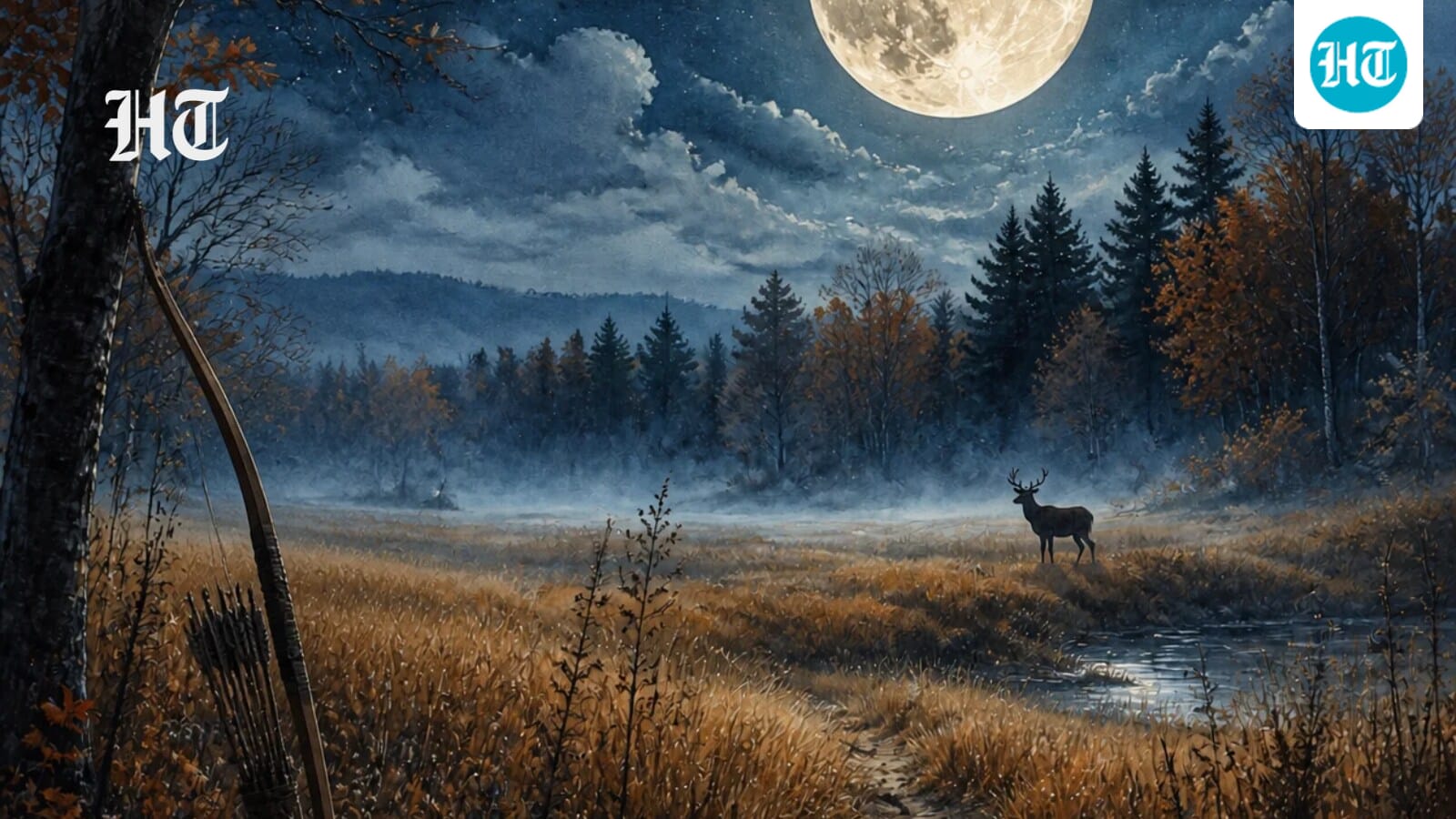
The 2026 Hunter's Moon will reach peak illumination in the early hours of October 26. Stargazers across the United States can enjoy the nearly full lunar display on the evenings surrounding this date.
The 2026 Hunter's Moon: A Celestial Overview
As the autumn season progresses in 2026, the night sky will play host to the Hunter's Moon, a highly anticipated lunar event for astronomy enthusiasts across the United States. Reaching peak illumination at 12:11 a.m. EDT on October 26, this full moon serves as a distinct marker in the lunar calendar, traditionally signaling the transition toward the winter months.
Understanding the Hunter's Moon Phenomenon
The term 'Hunter's Moon' is deeply rooted in folklore, historically serving as a signal for hunters to begin preparing for the winter by stocking up on meat. Unlike other moons that rise at different times, the Hunter’s Moon is characterized by rising near sunset for several consecutive nights, providing extended light for evening activities. In 2026, this natural phenomenon will be visible across all major U.S. time zones, offering a consistent spectacle for observers regardless of their specific geographic location.
Optimal Viewing Conditions
While the technical peak occurs shortly after midnight on the East Coast, the moon will appear visually full to the naked eye for several nights around the date of October 26. Observers are encouraged to view the moon as it rises near the horizon, where the 'moon illusion' often makes the lunar disk appear significantly larger and more vibrant against the backdrop of the terrestrial landscape. Because the moon remains in a near-full state for several days, stargazers do not need to rely solely on the exact minute of peak illumination to enjoy the experience.
Astronomical Significance and Timing
For those tracking the event, the timing across the United States will shift according to local time zones, but the visual impact remains uniform. The 12:11 a.m. EDT peak serves as the focal point for tracking, but the evening of October 25 and the early morning of October 26 offer the most stable windows for photography and observation. The clarity of the sky and local weather conditions will, as always, remain the primary variables for successful viewing.
Broader Implications for Stargazing
Events like the Hunter's Moon play a vital role in fostering public interest in space science and observational astronomy. By providing a predictable and accessible event, these lunar phases encourage amateur astronomers to engage with the night sky. As we look toward the end of 2026, the October full moon serves as a reminder of the consistent, rhythmic nature of our solar system's mechanics, offering a moment of collective observation for millions of Americans.
Verification Required?