A distant Pacific phenomenon may be drying India’s north, says study
Source Entity
India Latest News: Top National Headlines Today & Breaking News | The Hindu
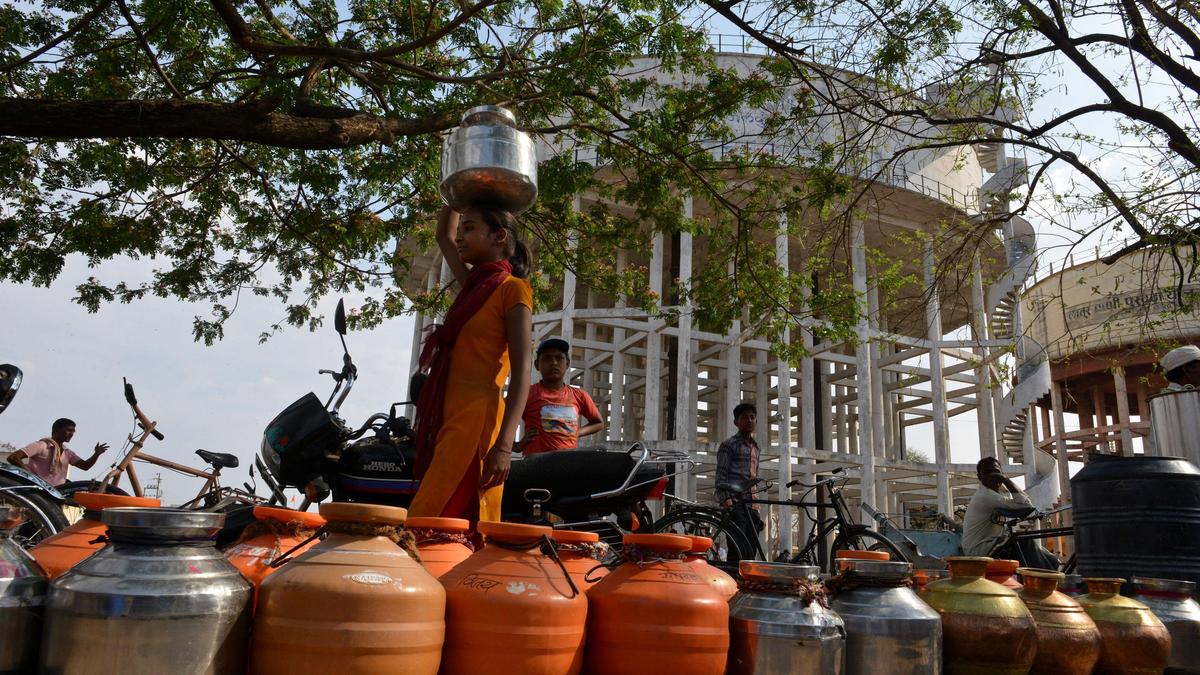
A new study by IMD and IITM scientists reveals that the 'Victoria Mode' oceanic phenomenon is expanding semi-arid zones in north-west India. This climatic shift threatens regional food security and risks triggering human displacement due to altered moisture patterns.
The Victoria Mode: Uncovering a New Climatic Driver
A groundbreaking study conducted by researchers at the India Meteorological Department (IMD) and the Indian Institute of Tropical Meteorology (IITM) has identified a previously obscure oceanic phenomenon known as 'Victoria Mode' as a primary driver behind significant climatic shifts in India. By analyzing long-term temperature and rainfall data, scientists have traced how this Pacific-based cycle influences moisture distribution, fundamentally altering the environmental landscape of the Indian subcontinent.
Mapping the Expansion of Aridity
The research reveals a stark transformation in the climatic classification of north-west India. Between the periods of 1951–1980 and 1991–2020, the region experienced a measurable expansion of the hot, semi-arid steppe zone, which grew from 25.7% to 33.1% of the total land area. Conversely, the milder temperate zone witnessed a contraction, shrinking from 25.8% to 18.7%. This geographical shift is not merely statistical; the eastern edge of the arid steppe has pushed progressively into eastern Uttar Pradesh, signaling a westward-to-eastward migration of desert-like conditions.
The Mechanics of Moisture Disruption
At the heart of this change lies the 'Victoria Mode,' an oceanic cycle that disrupts the traditional flow of atmospheric moisture. By altering how water vapor is transported across the Pacific and eventually toward the Indian landmass, this phenomenon exacerbates the effects of rising global temperatures. When moisture flow is stifled or redirected, regions that historically relied on specific seasonal rainfall patterns find themselves experiencing prolonged dry spells, which directly contributes to the desertification of fertile steppe lands.
Implications for Food Security and Stability
The broader implications of this climatic shift are profound, particularly regarding India’s agricultural output. North-west India serves as a critical breadbasket for the nation, and the encroachment of semi-arid conditions threatens the viability of staple crops that depend on consistent moisture levels. A reduction in the temperate zone, which is generally more conducive to diverse agricultural practices, suggests that the country may face significant challenges in maintaining current food supply chains, potentially leading to market volatility and increased reliance on imports.
Socio-Economic Risks and Future Displacement
Beyond the agricultural impact, the expansion of arid zones introduces the looming threat of human displacement. As land becomes less productive and water scarcity intensifies, local populations—particularly those dependent on subsistence farming—may be forced to migrate in search of more hospitable environments. This movement of people carries the risk of social instability and increased pressure on urban infrastructure. Understanding the 'Victoria Mode' is now a critical prerequisite for policymakers to develop adaptive strategies, such as climate-resilient farming and water management, to mitigate these long-term environmental and humanitarian risks.
Verification Required?