The strange reason some ants smell when you squish them
Source Entity
The Indian Express
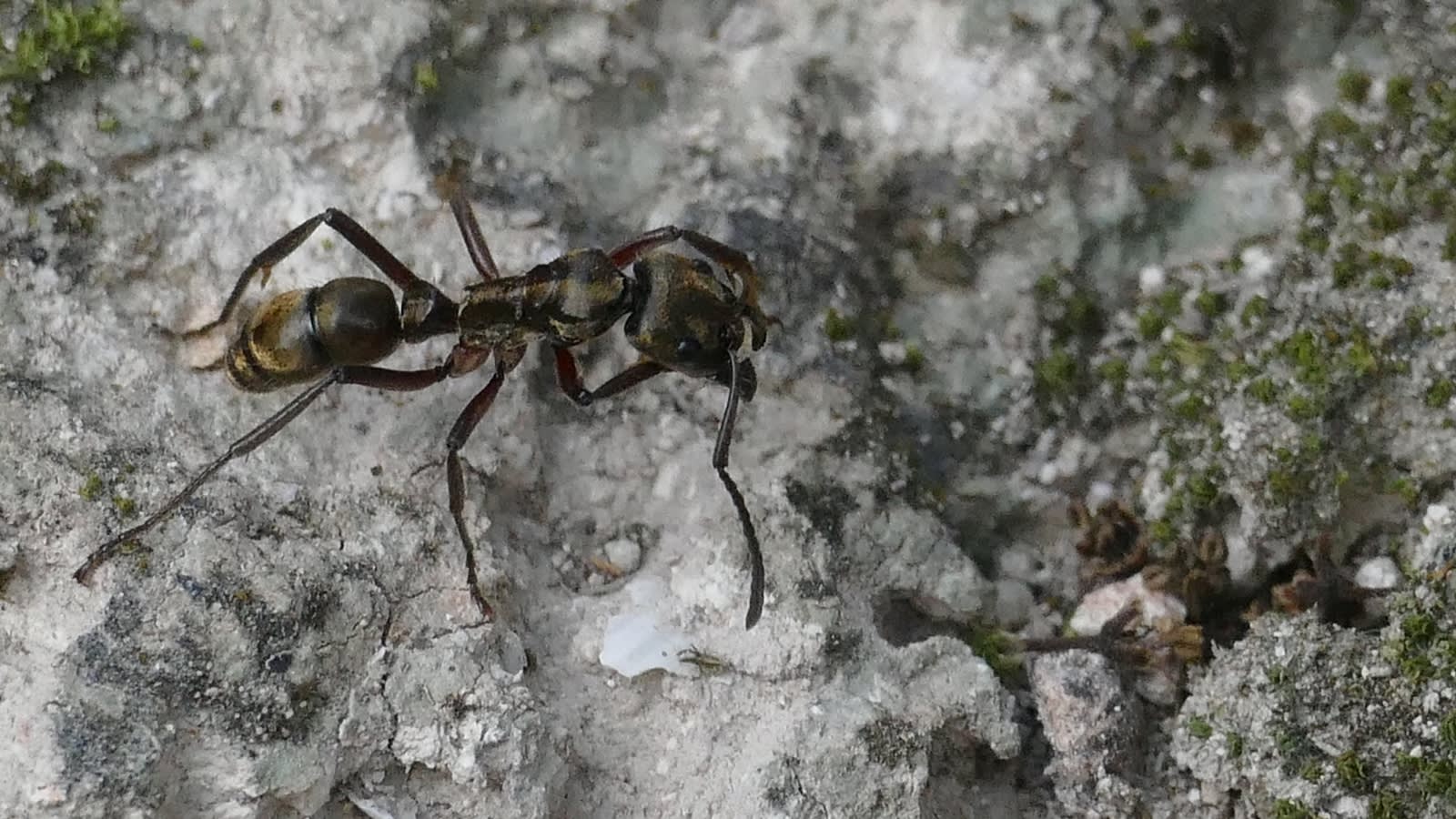
Crushing certain species of ants, such as the odorous house ant, releases methyl ketones that create distinct smells often compared to blue cheese or coconut. This chemical defense mechanism is a natural biological trait rather than a sign of uncleanliness.
The Chemistry Behind the Ant's Unusual Aroma
It is a common household experience: you inadvertently crush an ant on your kitchen counter, only to be met with an unexpected, pungent odor. While many assume this scent is a byproduct of decay or dirt, the reality is far more fascinating. Certain ant species possess specialized chemical defense mechanisms that serve as both a warning and a deterrent to predators, resulting in the distinct smells of blue cheese, rotting coconut, or chemical cleaning agents that homeowners frequently report.
The Role of Methyl Ketones
The primary culprit behind these olfactory experiences is a class of chemical compounds known as methyl ketones. In the specific case of the Tapinoma sessile, commonly known as the odorous house ant, these compounds are stored within the insect's body. When the ant is physically disturbed or crushed, these volatile organic compounds are released into the air. Interestingly, these same chemical structures are often found in various aged cheeses, which explains the uncanny similarity in scent profiles between a squashed ant and a pungent piece of gorgonzola.
Evolutionary Defense Mechanisms
From an evolutionary perspective, this chemical discharge is not an accident; it is a sophisticated survival strategy. Ants utilize these chemicals as alarm pheromones or defensive secretions to ward off threats. By producing a smell that is highly noticeable and unpleasant to many predators, the ants create a chemical barrier that protects the colony. The fact that humans can detect these scents is merely a side effect of the ants' highly evolved biological communication and defense systems.
Beyond the Kitchen: Ecological Context
The phenomenon of "odorous" ants highlights the complexity of insect biology. Many insects use chemical signals to navigate, identify nest-mates, and signal danger. While humans perceive these scents as "blue cheese" or "Pine-Sol," these signals are meant for other insects. The presence of these ants in a home environment is not necessarily an indicator of poor sanitation, but rather a testament to the adaptive nature of these insects as they forage for food in human-inhabited spaces.
Future Trends in Insect Management
Understanding the chemical makeup of these pests could have broader implications for pest control strategies. By identifying the specific compounds that act as repellents or attractants, researchers may develop more targeted, eco-friendly ways to manage ant populations without relying solely on broad-spectrum insecticides. As we continue to study the chemical ecology of household insects, the "smell" of an ant becomes a valuable data point in understanding how these creatures interact with their environment and how we can better coexist with them.
Conclusion
In summary, the next time you catch a whiff of blue cheese after encountering an ant in your kitchen, you are witnessing a natural chemical reaction. This unique trait of the odorous house ant serves as a reminder of the complex biological processes occurring right beneath our feet. Far from being a mystery, the scent is a well-documented chemical defense that showcases the evolutionary ingenuity of one of the planet's most resilient insect families.